Understanding West Nile Virus in Horses: A Serious Concern
A confirmed case of West Nile virus (WNV) in a horse from Sumner County, Tennessee, has recently been reported by the Tennessee Department of Agriculture. This has once again brought to the forefront the severe impact of mosquito-borne diseases on equine health. Tragically, the infected horse had to be euthanized due to the illness, highlighting the lethal nature of this virus.
What is West Nile Virus?
WNV is primarily transmitted to horses through infected mosquito bites. While many horses with WNV remain asymptomatic, those that do show signs can range from mild flulike symptoms, such as anorexia and depression, to severe neurological symptoms. These might include muscle twitching, heightened sensitivity to touch and sound, altered mental states, drowsiness, and ataxia (loss of coordination). The mortality rate for symptomatic horses can be alarmingly high, reaching 30-40%. Unfortunately, there is no specific antiviral cure for WNV in horses, though supportive care can help some survive.
Prevention: The Best Defense Against WNV
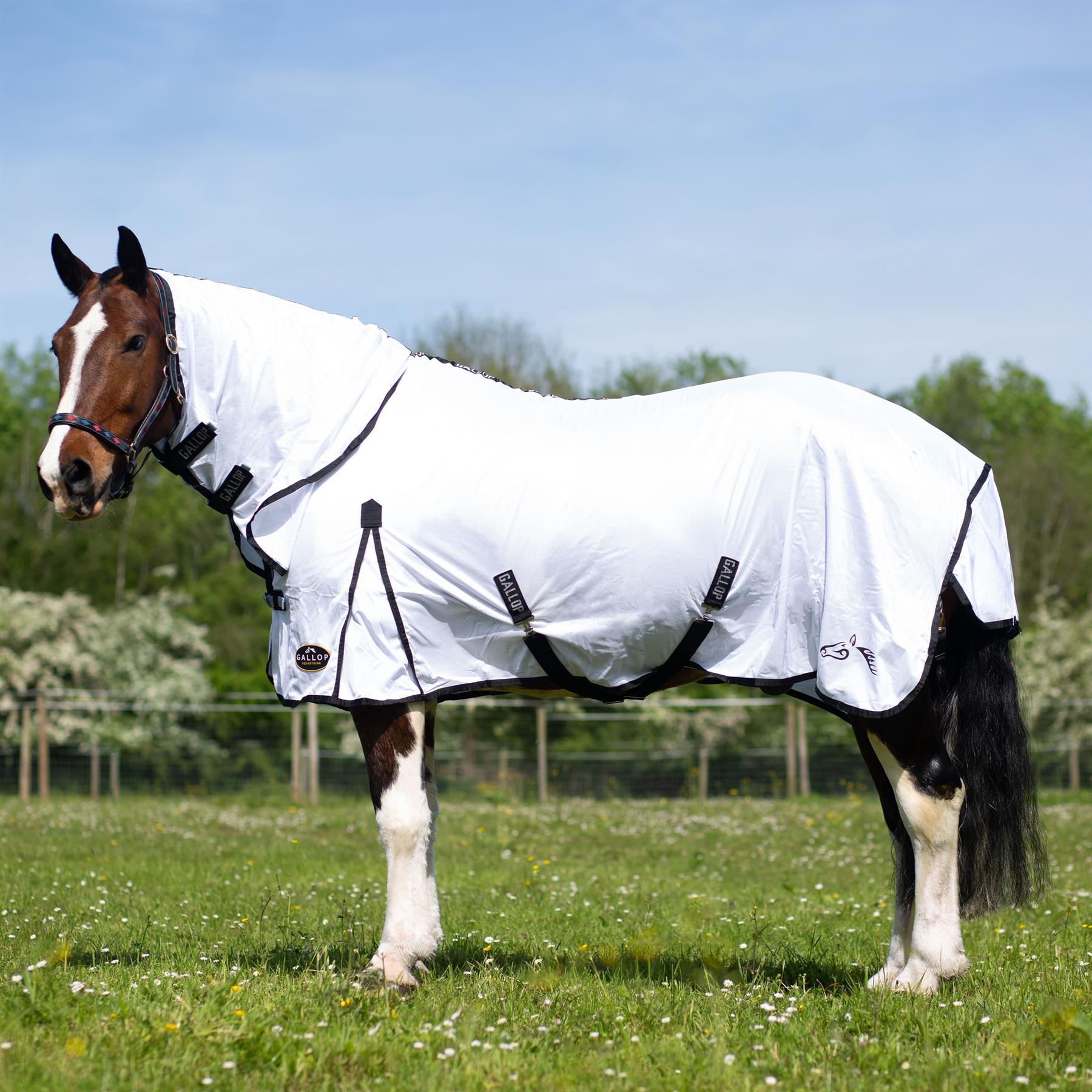
With prevention as the main line of defense, veterinarians strongly advocate for annual vaccination boosters. In regions where mosquito seasons are prolonged, biannual boosters are recommended to maintain and enhance immunity. To curb the threat of WNV, it’s also essential to eliminate standing water sources where mosquitoes breed, repair screens, and use repellents or protective netting to minimize exposure.
Mosquito Control: A Key Component
Mosquito control is vital in protecting our equine friends. Simple measures can be taken to reduce mosquito habitats, like removing stagnant water from properties. Ensuring that water tanks are covered, repairing any damaged window or door screens, and employing mosquito repellents in high-risk areas can collectively diminish mosquito populations and exposure risks.
The Role of Disease Communication Networks
The equine health community benefits significantly from centralized disease reporting networks such as the Equine Disease Communication Center (EDCC). Such platforms disseminate verified outbreak information rapidly, promoting awareness and enabling a coordinated response to equine health threats across the board. Through networks like the EDCC, equine professionals and horse owners receive timely updates, ensuring informed decisions to combat WNV.
WNV Beyond Tennessee: A Growing Challenge
While the recent case in Tennessee shines a spotlight on equine health, WNV activity is reportedly increasing in several U.S. regions. This generally aligns with heightened transmission risks during late summer months due to peak mosquito activity. Notably, human WNV cases are also on the rise, suggesting an urgent need for robust vector control strategies and vaccination programs.
Looking Ahead: Equine Health Management
Effective equine health management in the face of WNV involves a multi-pronged approach. Strides are being made in research addressing vaccination strategies, mosquito management, and potential therapeutic options. These efforts aim to protect equine populations more effectively, while also seeking to mitigate the broader economic impacts posed by infectious diseases in the horse industry.
Ultimately, the confirmed WNV infection in Tennessee serves as a stark reminder of the challenges posed by mosquito-borne diseases. By prioritizing vaccination, proactive mosquito control, and systematic disease monitoring, the equine community can work towards reducing the morbidity and mortality associated with West Nile virus.
For ongoing updates and to learn more about WNV and its impact, visit EquiManagement.