Understanding the Threat of West Nile Virus (WNV) in Horses
West Nile Virus (WNV), a mosquito-borne menace, has posed significant challenges to equine health in recent years. This virus primarily affects birds, humans, and horses, raising concerns for both veterinary professionals and horse owners. Let’s explore the ramifications of WNV on horses, delve into preventive strategies, and highlight the vital role of vaccination and mosquito control.The WNV Challenge: What Makes It Tick
WNV first made headlines in the U.S. in 1999, quickly earning its status as a persistent threat. Clocking in an average of 300 cases annually across the U.S., Canada, Mexico, and the Caribbean, its ubiquity can’t be underestimated. Horses infected with WNV often suffer from severe neurological symptoms. They may exhibit signs such as depression, lethargy, and even paralysis. Alarmingly, mortality rates stand at a stark 30-40% in severe cases, making it imperative that preventive measures are a top priority.The Maryland Case Study: A Call for Vigilance
In October 2025, Maryland reported three WNV equine cases, one involving a 6-year-old Standardbred gelding from St. Mary's County. First showing symptoms in late September 2025, this case highlights the ongoing risk posed by WNV. While this horse remains alive, it stands as a solemn reminder of why horse owners and vets need to stay vigilant.The Role of Vaccines: A First Line of Defense
Vaccination emerges as a cornerstone in WNV prevention strategies. Horses that are already vaccinated need annual boosters, with some regions adopting a more aggressive bi-annual schedule due to prolonged mosquito seasons. For horses without prior vaccination, a two-shot series administered a few weeks apart is recommended, taking several weeks to develop robust immunity. [Equine Disease Center](https://www.equinediseasecc.org/west-nile-virus) officials recommend this method to ensure maximum protection.Strategies to Outsmart Mosquitoes
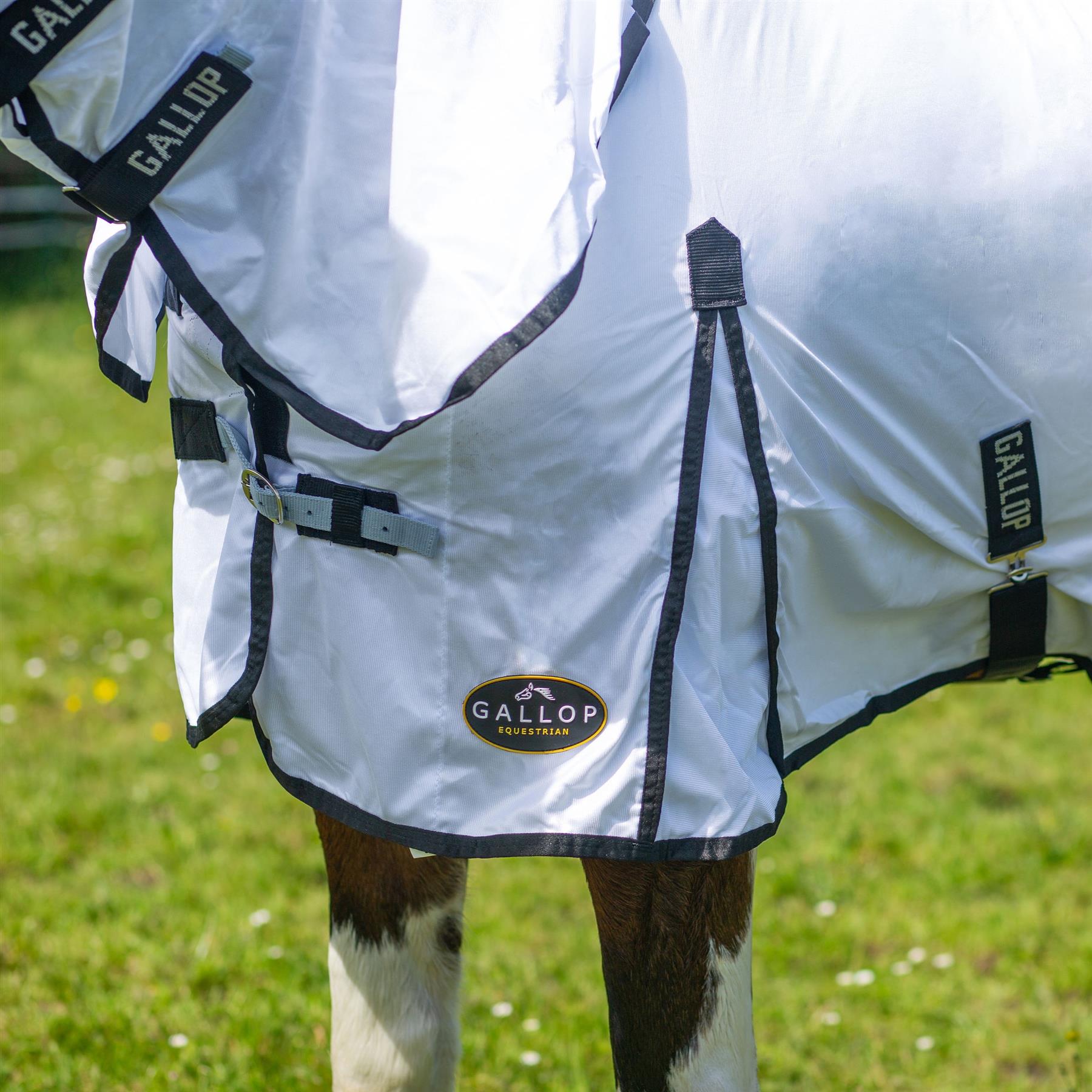
Besides vaccination, reducing mosquito habitats is a practical step in shielding horses from WNV. Clearing stagnant water, which serves as mosquito breeding grounds, is an obvious yet often overlooked action. It's also wise to limit horse exposure during peak mosquito feeding times, generally around sunrise and sunset, to further reduce infection risks.A Broader Public Health Perspective
The effects of WNV don't stop with horses; they reverberate across public health systems, extending to human populations. For instance, Maryland reported 18 human cases of WNV as of mid-July 2025. This shared threat underscores the importance of interdisciplinary collaboration between veterinarians, public health experts, and horse owners. Working together, these stakeholders can form a robust front against this virus, using a blend of vigilance, prevention, and ongoing care.Future-Proofing Equine Health: What Lies Ahead
Looking forward, ongoing developments in vaccine technology and treatment methods continue to evolve. Future efforts may see breakthroughs in understanding the virus’s impact across different species. This insight is crucial to tailor targeted preventive and control strategies. Additionally, advances in mosquito control methods, both innovative and practical, can significantly minimize the risk of WNV by halting the spread at its source.Conclusion: Bracing for the Long Haul
The persistence of West Nile Virus in equine circles, highlighted by recent cases in Maryland, underscores a continual need for vigilance. However, all is not doom and gloom. Through proactive vaccination efforts, improved mosquito control, and collective stakeholder collaboration, WNV's impact can be significantly mitigated. As research and technology evolve, remaining well-informed and adaptive is essential in combating this ongoing equine health challenge.For more information and regular updates on equine infectious diseases, consult reputable sources like the [Equine Disease Communication Center](https://www.equinediseasecc.org/west-nile-virus).