Understanding the Threat of West Nile Virus in Georgia’s Equine Population
This year, Georgia’s equine enthusiasts faced a significant challenge when the West Nile Virus (WNV) made its way into the horse community. The case confirmed in Sumter County represents the third WNV case in the state for 2025, according to the Georgia Department of Agriculture. It's a potent call to action for those in the equine industry, prompting enhanced vigilance and preventative strategies to curb this mosquito-borne illness.
The Science Behind West Nile Virus Transmission
West Nile Virus, a formidable adversary in the animal world, primarily spreads through the bites of infected mosquitoes. Fortunately, horses can't pass on the virus to humans or other horses, but the infected mosquitoes can be anywhere, so it’s like a constant game of dodge-the-mosquito. When a horse does contract WNV, it might not even show symptoms, but should symptoms arise, they can present as fever, depression, muscle tremors, and even signs of ataxia—which is a fancy term for a wonky walk.
The Grim Reality of Infection
In severe cases, the outlook can be grim. Horses may experience paralysis or might enter a coma, and, tragically, they sometimes do not survive. The mortality rate hangs around 30% to 40%, making it a significant concern for the caretakers of these majestic creatures. In a world where no certified cure exists, supportive care acts as the horse's best friend during recovery.
Vaccination: A Crucial Line of Defense
Enter vaccination: the knight in shining armor for horse owners. It's crucially recommended as an annual booster for every horse. For unvaccinated horses, a two-shot initial series is requisite to provide adequate protection. In places where mosquitoes party all year round, more frequent boosters are advocated. It's like a high-stakes chess game, where your knight takes out the mosquito bishop.
Environmental Control Strategies
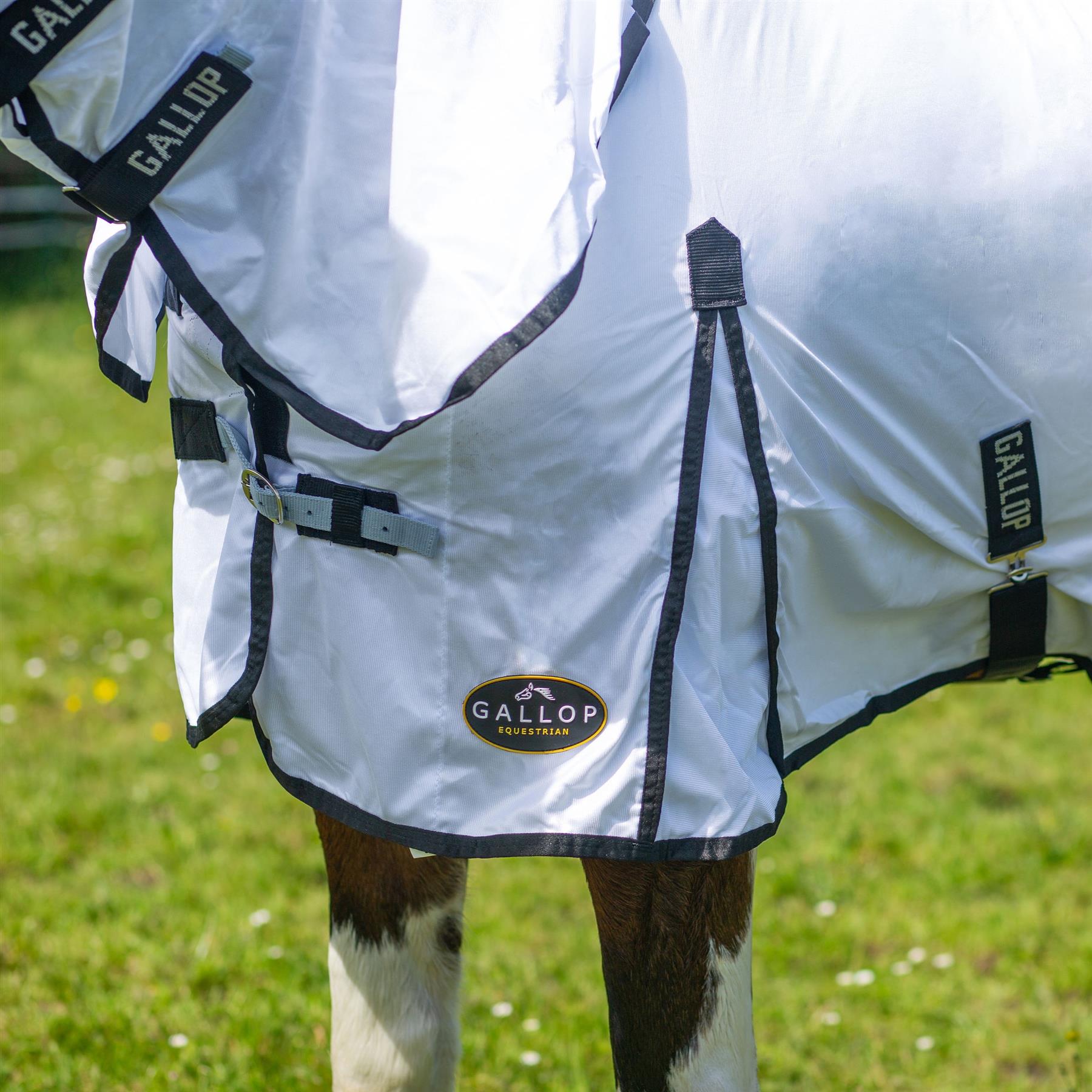
Besides sticking a needle in your horse's neck, environmental management plays a pivotal role in reducing the risk of WNV. This involves *eliminating stagnant water*, stabling horses during dusk and dawn, and using insect repellents—a practical trifecta in the war against these buzzing nuisances.
Comparative Case Analysis: Staying Ahead in Georgia
While the current case number in Georgia is low, there’s a need for persistent surveillance as WNV lingers as a known threat. In different Georgia counties, cases of infected mosquitos and equines reinforce the necessity of consistent monitoring and control practices. Nationally, WNV leads to hundreds of equine cases annually, underscoring that this isn’t a fight to be fought alone.
Community Engagement: A Joint Effort
The strength of public health systems lies heavily on communal collaboration. By working together, horse owners and veterinarians can create a fortified defense against West Nile Virus, reducing its impact not only on individual animals but on the broader scale of herd immunity. This concerted approach extends beyond vaccinations to include educating the public about the importance and effectiveness of comprehensive prevention strategies.
Continuing the Fight: Research and Innovation
Looking forward, there’s a beautiful array of research opportunities. Delving into how WNV affects equines at a neurological level potentially unearths new therapy avenues. Meanwhile, tracking disease patterns offers insights into predicting outbreaks. Innovators are urged to develop sustainable mosquito control methods that lower dependence on chemical insecticides. *Advances in these areas light the way toward a safer future for both horses and their devoted caretakers.*
The presence of West Nile Virus in Georgia's horse population is a humbling reminder of the fragile balance of our ecosystem and the ever-present challenge of managing environmental health risks. Horse owners, veterinarians, and researchers must band together, don their armor, and rise to the challenge that WNV presents.
For more details about the recent WNV cases and information on combating it, refer to [GFB Ag News](https://www.gfb.org/news/ag-news/post/west-nile-virus-eee-confirmed-in-georgia-horses).
**Conclusion: The Path Forward**
The year 2025's chapter of West Nile Virus in Georgia’s equines serves as an urgent reminder of an enduring threat and a call to action. It is incumbent upon the equine community to maintain vigilance—ensuring their trusted companions remain safe from harm, equipped with vaccinations, and shielded by strategic environmental management. United efforts remain crucial in steering Georgia away from the tumultuous impact of WNV.