Understanding the Threat of West Nile Virus in Equines
Horses are magnificent animals, but like all creatures, they are susceptible to various diseases. One particularly concerning ailment for equines is the West Nile Virus (WNV). Recent reports have underscored the necessity of vaccinations and mosquito control as primary measures to protect our hoofed friends from this viral menace.
The West Nile Virus: A Quick Overview
WNV is primarily a mosquito-borne virus well-known for infecting horses since its introduction to the U.S. in 1999. With more than 27,600 confirmed cases of equine neuroinvasive disease, it's clear that this virus is widespread and not to be underestimated. Horses tend to show flu-like symptoms initially, which can be deceptive. However, the disease can rapidly progress to more severe neurological disorders, with the unfortunate possibility of paralysis or even death.
A Case Study in Utah: The Importance of Vaccination
The case of an unvaccinated yearling filly in Davis County, Utah, recently shone a spotlight on how crucial vaccination is. The horse displayed symptoms like mild hind limb ataxia in August but thankfully made a recovery by early September. This instance demonstrates the importance of continuous vigilance and preventative care, particularly annual booster vaccinations for horses in areas with long mosquito seasons.
Horses not yet vaccinated require a two-dose series, further reinforcing that prevention is better than cure—especially since no cure currently exists for WNV. Instead, supportive care is the only option once a horse is afflicted, which underscores the need for effective vaccination strategies.
Practical Steps for Prevention
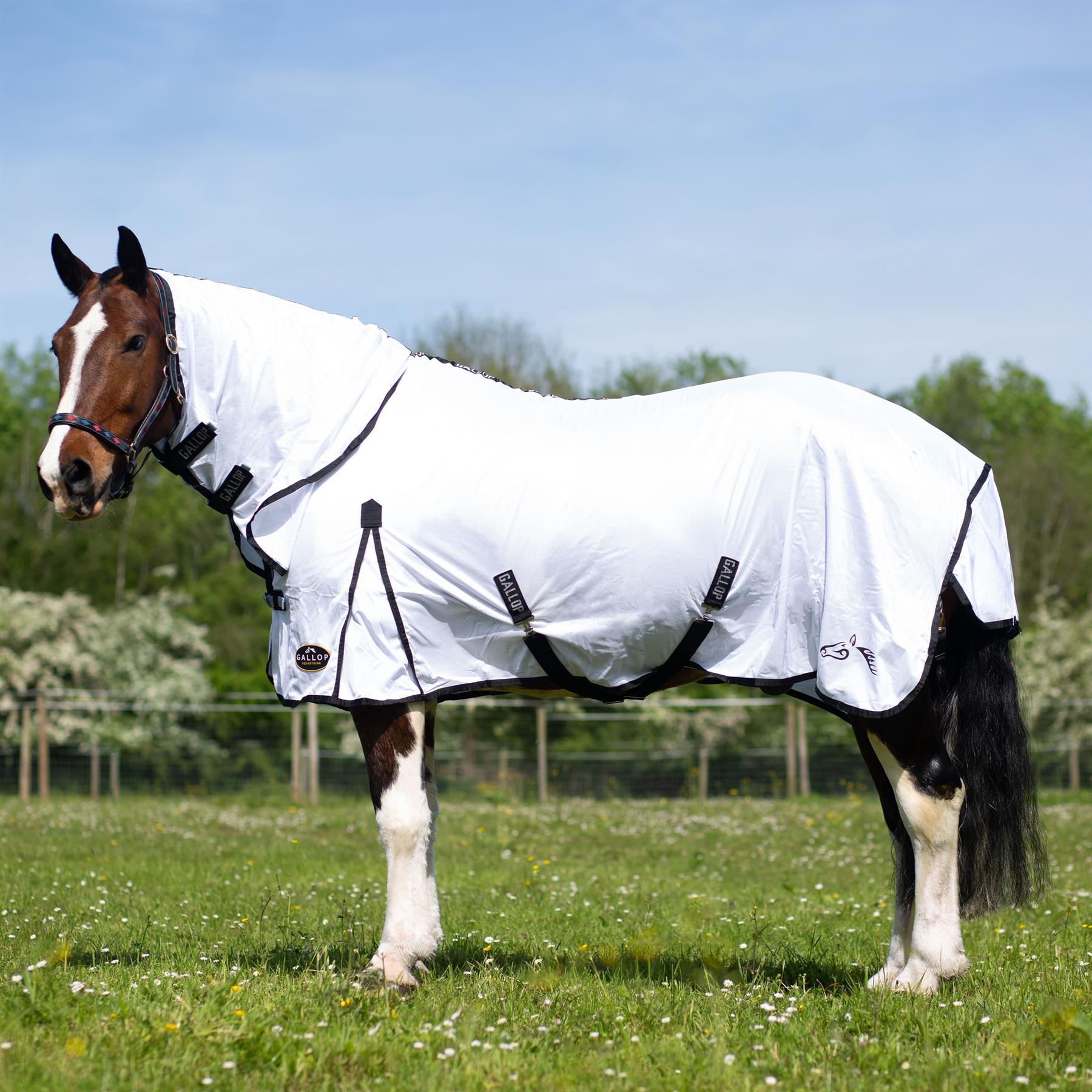
Although vaccination is critical, managing the mosquito population is equally important. One must conduct upkeep diligently, such as removing stagnant water, regularly cleaning water containers, and keeping horses indoors during peak mosquito times (dawn and dusk). Additionally, employing veterinarian-recommended mosquito repellents can serve as a helpful line of defense.
The Wider Economic and Welfare Impact
Financially, WNV can put a severe strain on horse owners and the greater equine industry. Loss of horses, ongoing care for those affected, and vaccination costs can all add up, creating a significant economic burden. It's required for horse owners and caretakers to understand these implications and take appropriate action to guard against outbreaks.
Unvaccinated animals are at higher risk, as seen in Utah, which had multiple WNV cases leading to fatalities. The loss is not solely financial but also emotional, as these majestic creatures are often like family to their caretakers.
Equine Disease Communication Initiatives
Efforts to keep horse owners informed are in full swing, spearheaded by organizations like the Equine Disease Communication Center (EDCC). This nonprofit entity, backed by industry donations, provides verified and timely infectious disease information. Their work is crucial for awareness and disease control, ensuring that caretakers have the necessary information for preventive measures.
Conclusion: A Call to Action for Equine Owners
The WNV situation in Utah serves as a compelling reminder that prevention remains the best cure. By prioritizing vaccinations and practical mosquito-management strategies, horse owners can significantly reduce infection risks and improve overall equine health. Mosquito season may come and go, but vigilance must be an all-season endeavor to shield these noble animals effectively.
For more information on this and other equine health topics, resources such as The Horse and publications from the EDCC can provide valuable insights and guidelines. Stay informed and stay proactive to ensure the welfare of your equine companions.
Citation: Information adapted from "The Horse" and https://nwhorsesource.com/outbreak-alerts-august-22-2025-west-nile-virus-in-utah-county-ut/