West Nile Virus Threat Looms Over Kentucky's Equine Community: The Importance Of Vaccination And Prevention
Recent West Nile Virus Cases in Kentucky's Equine Community
It's not just the summer heat that's raising temperatures in Kentucky this year. Two new cases of West Nile Virus (WNV) have taken the equine community by storm, pushing the state's total to a concerning seven cases for 2025. This story unravels the tragic reality of these cases and underscores the urgent need for horse owners and veterinarians to maintain stringent preventive measures.
The Unfortunate Victims: A Closer Look
In Grayson County, horse lovers faced a heartbreaking goodbye as a 5-year-old Standardbred mare succumbed to the virus. This mare, like her fellow victim in Bourbon County—a 10-year-old polo pony mare—wasn't vaccinated this year. Exhibiting signs like lethargy and front limb ataxia, the Standardbred could not recover. Meanwhile, her polo pony counterpart displayed symptoms including lameness and muscle fasciculations. Sadly, these cases signal a grim truth: the horse community must stay vigilant to prevent further loss.
Understanding West Nile Virus
West Nile Virus is a mosquito-borne virus that poses a severe threat to horses. With no cure in sight, the disease's mortality rate for affected horses can be as high as 30-40%, according to the Equine Disease Communication Center (EDCC). But there's hope: supportive care can help some equines recover from this vicious virus.
Acknowledging the Undeniable: Vaccination is Key
Failing to vaccinate our equine friends is akin to inviting trouble. Vaccination remains the most effective preventive measure against WNV. Experts recommend annual booster shots or even more frequent vaccinations in areas plagued by long mosquito seasons. Alarmingly, all of Kentucky's 2025 WNV cases involved unvaccinated horses. Here lies the critical gap in our defense strategy that demands immediate attention.
Preventive Measures Beyond Vaccination
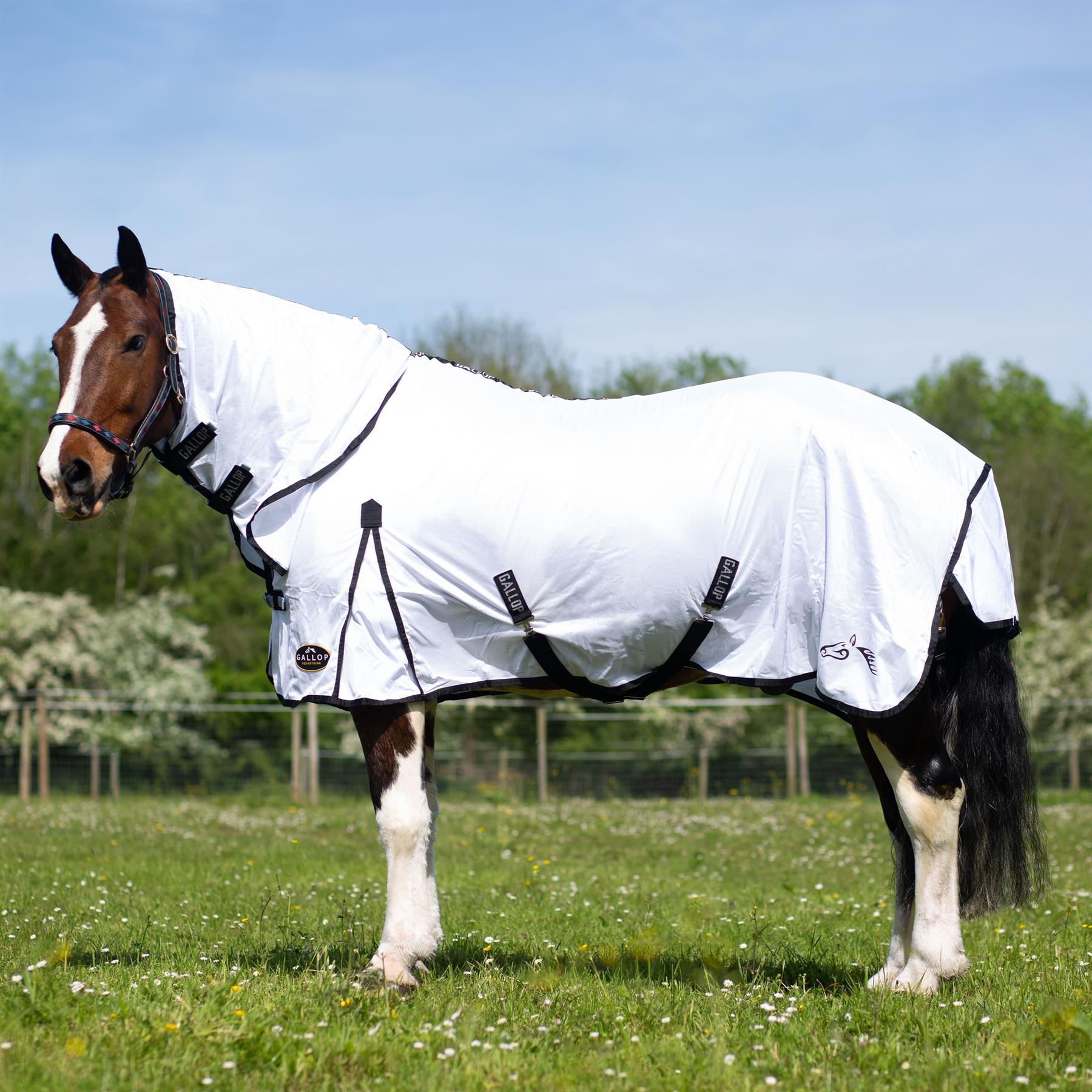
Of course, vaccination is only part of the puzzle. The EDCC stresses the importance of a two-pronged approach: vaccination coupled with vector control. This includes employing mosquito control methods such as removing standing water where these pesky insects breed. Not to mention, adopting equine-specific repellents could significantly lower the risk of WNV infection.
Stay Informed and Take Action
The data doesn't lie. With the persistent threat of WNV hanging over Kentucky, the horse community must be proactive. Maintaining vigilance with WNV prevention strategies is our best bet.
Educating ourselves on best practices, adhering strictly to vaccination schedules, and implementing effective mosquito management are ways to safeguard our beloved horses from WNV's clutches. In essence, while science and medicine advance, it remains our responsibility to use this knowledge effectively.
An Opportunity in WNV Research
While WNV presents its challenges, it also offers an opportunity for further research and development. Investigating advancements in veterinary vaccines and immunology could arm us with more potent defenses against such viral threats. By exploring case studies on infection management and comparing equine infectious diseases across different regions, we continue to expand the arsenal in our fight against these invisible adversaries.
Keeping Kentucky's Equine Community Safe
Bringing the curtain down on WNV in Kentucky requires a collective effort. As horse owners, veterinarians, and enthusiasts, the torch is in our hands to light the path toward a safer environment for our horses. The recurring cases serve as a cautionary tale reminding us of the ever-present danger of WNV. But rest assured, with the right preventive strategies, a healthier and safer equine community is within reach.
Remember, when it comes to WNV, it's all about prevention, vigilance, and above all, love and care for our four-legged friends.
Sources:
- [EDCC Health Watch](https://www.thehorse.com/)
- [Kentucky Horse Update](https://www.kentuckyhorse.org/post/kentucky-west-nile-virus-update-8-30)