The Threat of West Nile Virus in Pennsylvania Horses
Pennsylvania has recently faced a significant challenge with the infection of six horses by West Nile Virus (WNV) in various counties. These cases highlight the importance of awareness and preventive measures against this mosquito-borne disease, which can have severe consequences for equine health.
Understanding West Nile Virus
West Nile Virus is primarily transmitted through infected mosquito bites. While the symptoms can range from mild flu-like signs to severe neurological issues, the fatality rate in horses can reach between 30% and 40%. Notably, there is no direct horse-to-horse or horse-to-human transmission of WNV. With effective management and preventive strategies, its impact can be lessened.
Vaccination: The First Line of Defense
Vaccination remains the most reliable method to prevent WNV infections in horses. Horses should receive an annual booster if previously vaccinated, while unvaccinated horses require a two-dose series for optimal protection. Timing is crucial; vaccinations should be administered before mosquito season starts to ensure full immunity.
Mosquito Control Measures
Environmental Practices
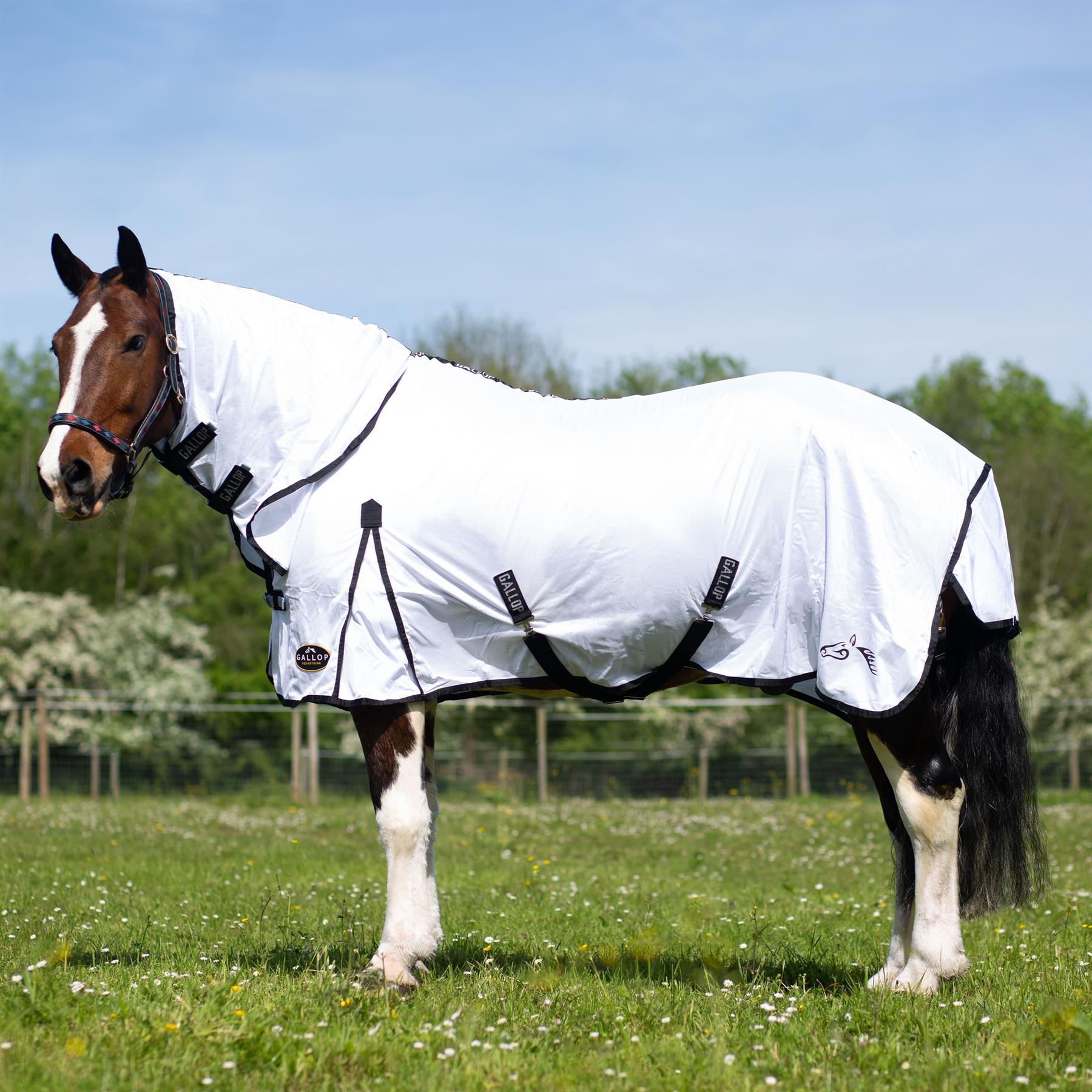
Reducing mosquito activity begins with environmental management. Horse owners can decrease mosquito breeding by eliminating standing water, a common breeding ground. Keeping water troughs clean, ensuring proper drainage, and using horse-safe mosquito repellents can also mitigate risk. During peak mosquito activity—typically from dusk to dawn—stabling horses can prevent bites, reducing potential infection routes.
Community and Veterinary Involvement
The Pennsylvania Department of Agriculture and the Equine Disease Communication Center (EDCC) are key players in monitoring and disseminating information about WNV. These organizations help horse owners and veterinarians address outbreaks and implement preventive measures effectively.
Economic and Health Implications
The economic impact of WNV outbreaks can be significant for the horse industry. Prevention via vaccination and mosquito control is far more cost-effective than dealing with the aftermath of an outbreak. Beyond economics, the importance of early detection and supportive care cannot be overstated, as it improves recovery odds and minimizes long-term complications for infected horses.
The Role of Surveillance and Communication
Pennsylvania has a history with WNV that dates back to its first appearance in 2000. Leveraging integrated pest management strategies and surveillance programs, the state has been proactive in tracking mosquito-borne diseases. This surveillance is a cooperative effort among various departments, including Environmental Protection and Health. Staying informed through platforms like the EDCC ensures the community acts on the latest data, aiding in informed decision-making.
In conclusion, the recent WNV cases in Pennsylvania serve as a call to action for the equine community. Maintaining up-to-date vaccinations, implementing diligent mosquito control measures, and responding promptly to symptoms remain crucial. Through these practices, horse owners can better protect their animals and mitigate the risks associated with this virus.
For further insights on West Nile Virus in horses, you can visit this resource.
Sources: TheHorse.com, Roaring Fork Equine Medical Center