West Nile Virus in Horses: A Case Study from Saskatchewan
On August 24, 2025, the serene town of Laird, Saskatchewan, became a focal point for equine health reports when a local horse tested positive for West Nile virus (WNV). While this might sound like the plot of a dramatic novel with horses donning mosquito-repellent armor, the reality is less theatrical but equally concerning.
The Unseen Threat: Understanding West Nile Virus in Equines
West Nile virus is primarily transmitted to horses via infected mosquito bites. Horses can exhibit a broad range of symptoms, from none to severe neurological ones like muscle fasciculation, which is a fancy term for muscle twitching, hypersensitivity, altered mental status, drowsiness, and ataxia. Of course, horses can’t exactly tell us when they're having a dizzy spell, but these signs are telling enough!
Why Prevention Matters: Vaccination and its Role
Unfortunately, WNV is incurable in horses. However, the good news lies in prevention. Vaccines are the key warriors here, with annual booster shots highly recommended. In high-risk areas where mosquitoes plot their yearly invasion, veterinarians might suggest two boosters annually. For horses new to the vaccine parade, an initial two-dose series is required.
The Hard Numbers: Mortality and Recovery
The mortality rate for horses affected by WNV is no joke; it ranges from 30-40%. Yet, some horses can recover with supportive care. This makes prevention even more crucial—it’s the difference between a gallop in the meadow and a trot in troubled waters.
Taking Action: Mosquito Control and Environmental Adjustments
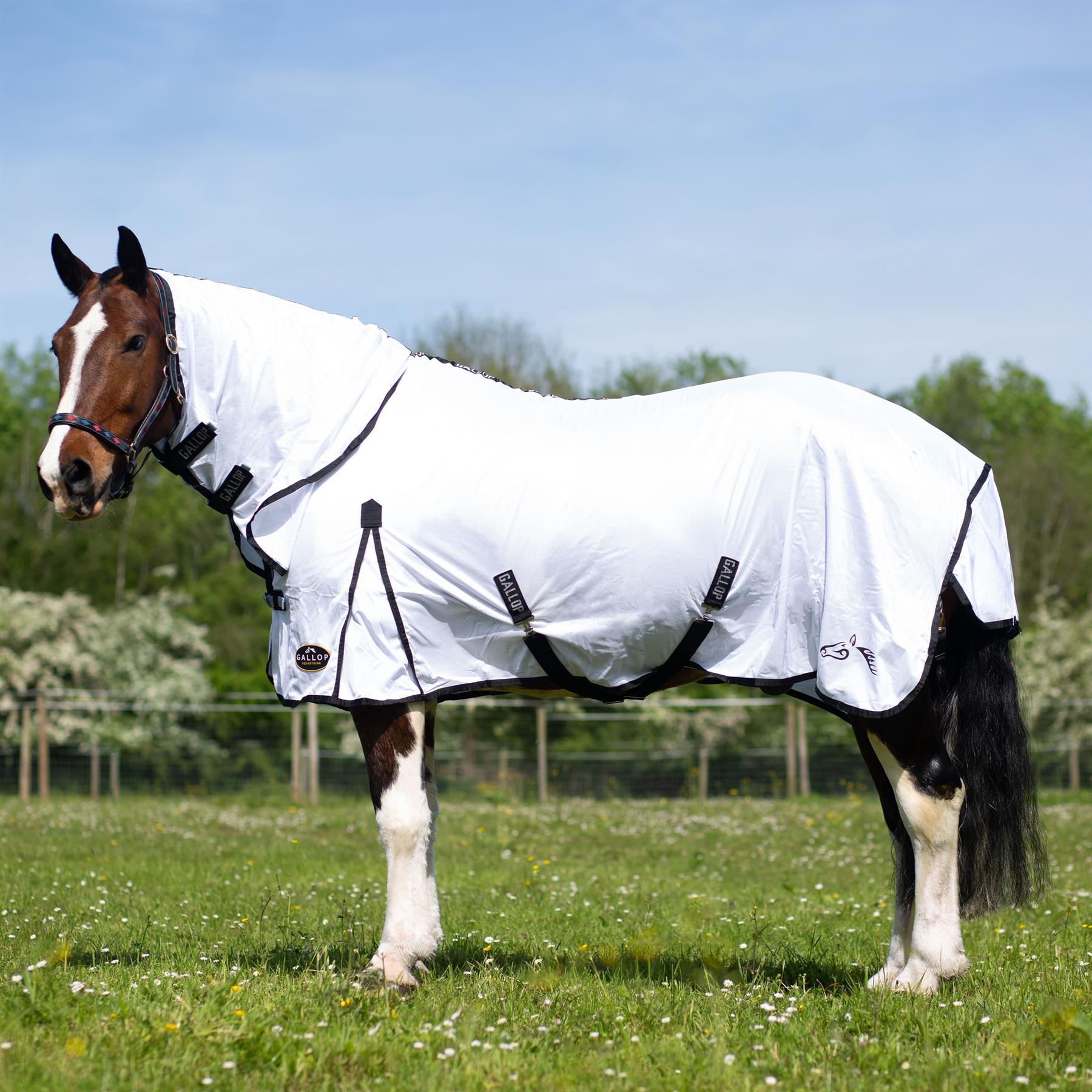
Horse owners play a pivotal role in reducing WNV risks. Practical steps include removing stagnant water sources—mosquito nurseries, if you will, maintaining clean water containers, and limiting outdoor exposure during peak mosquito hours (just as humans might avoid the sun at noon). Additionally, using EPA-approved mosquito repellents can significantly reduce bites.
Community and Coordination: The Role of EDCC
The Equine Disease Communication Center (EDCC) deserves a round of applause for its role in disseminating information about equine infectious diseases like WNV. This nonprofit organization, supported by industry donations, ensures that horse owners stay informed, thereby strengthening the horse-human bond in health and sickness.
Looking Forward: Research and Awareness
This incident in Saskatchewan opens doors to a variety of research opportunities. For instance, evaluating the efficacy of WNV vaccines and exploring potential improvements could bring better chances of survival for affected horses. Moreover, investigating the impact of climate change on mosquito populations can help predict future WNV transmission dynamics. Comparative studies on infection rates across different regions could shed light on environmental or genetic factors affecting vulnerability.
Additionally, reviewing emergency veterinary protocols for horses with neurological symptoms and conducting public awareness campaigns for enhanced mosquito control could change the landscape of equine health management.
In conclusion, while WNV cases like the one in Saskatchewan may sound alarming, they underscore the importance of vigilance, better preventive measures, and community efforts in protecting our equine friends. After all, an ounce of prevention is worth a thousand mosquitoes, or so the saying goes. For more information, visit thehorse.com.