Understanding Eastern Equine Encephalitis and Its Ramifications
For horse owners and enthusiasts, news of Eastern equine encephalitis (EEE) brings a mix of concern and caution. This serious mosquito-borne viral disease doesn't just affect horses; it can also have dire consequences for humans. As recently highlighted by outbreaks in Mississippi, EEE remains a formidable threat. Let's delve into what EEE is, the recent developments in Mississippi, and key preventive measures.
What is Eastern Equine Encephalitis?
EEE is an infection caused by an alphavirus transmitted primarily by mosquitoes. Notorious for its high mortality rate, this disease can prove fatal to horses, with death typically occurring within 2-3 days after the onset of clinical signs. Horses with partial immunity may still exhibit severe symptoms, as seen in recent Mississippi cases.
Though rare in humans, when EEE does strike, it is often severe, particularly affecting children. The disease can lead to significant neurological damage, emphasizing the importance of rigorous preventive strategies for both horses and humans.
Recent EEE Cases in Mississippi
A recent outbreak confirmed that four horses in Mississippi tested positive for EEE. These horses, located in Clarke, Stone, Monroe, and Madison counties, experienced varying degrees of clinical symptoms, resulting in the euthanasia of at least two horses. Alarmingly, some were vaccinated, hinting at potential limitations in current vaccines or perhaps incomplete administration.
This situation has underscored the need for vigilant monitoring and the importance of vaccination. Though the vaccine is not foolproof, it is still considered a crucial line of defense against this high-mortality virus.
The Science Behind the Virus
The vector for EEE, primarily mosquitoes like Aedes spp., Coquilettidia perturbans, and Culiseta melanura, burgeons in marshy and wooded areas. In the Southeastern United States, regions such as Mississippi are particularly prone to outbreaks from spring through fall.
Statistics reveal that untreated EEE has a mortality rate exceeding 90% among horses. Survivors are often left with permanent neurological impairments, compelling horse owners to adopt comprehensive preventive measures.
Effective Preventive Measures
Given EEE's severity, prevention is crucial. Vaccination is the frontline defense, with recommendations for annual and, in some cases, biannual boosters. Yet, vaccine administration alone might not suffice. Hence, comprehensive mosquito control strategies are vital.
- Application of EPA-approved insect repellents: These are specifically designed for horses to reduce exposure.
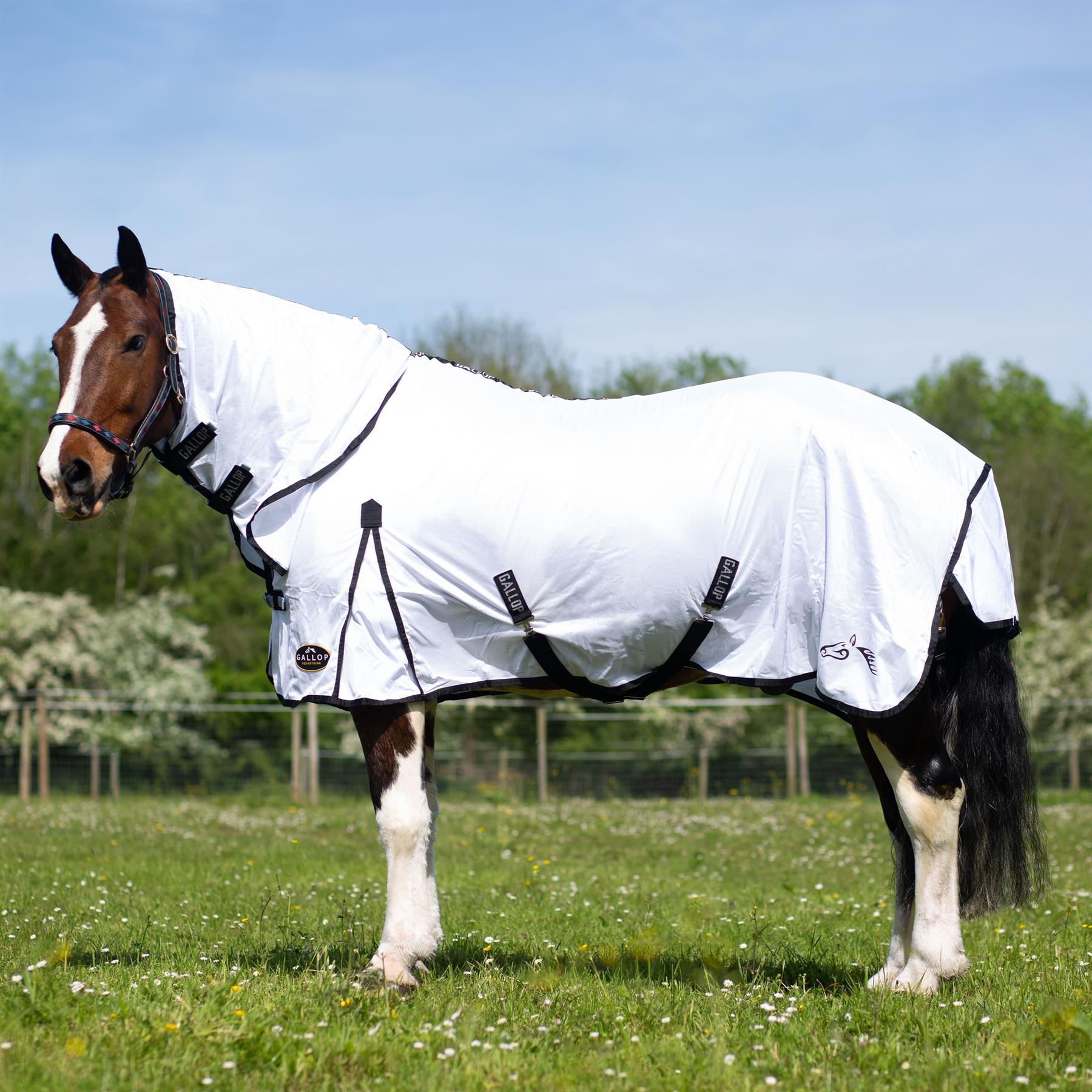
- Mosquito-proof stables: Employ physical barriers like screens or fans to minimize mosquito intrusion.
- Environmental management: Eliminating standing water is key to disrupting mosquito breeding grounds.
- Biological control: Where feasible, employ biological agents to control mosquito populations.
The Role of Health Organizations
The Equine Disease Communication Center (EDCC) plays a pivotal role in disseminating information related to EEE outbreaks. By partnering with industry groups, they ensure that up-to-date details reach veterinarians and horse owners alike. Their work facilitates swift identification and response to such outbreaks.
Public health entities, like the Centers for Disease Control and Prevention (CDC), are equally significant, observing mosquito activities linked to EEE. While the current year's data shows no human cases in Mississippi, vigilance remains crucial given the disease's potential impact on public health.
Conclusion
The recent cases of EEE in Mississippi are a stark reminder of the disease's potential devastation. Through rigorous vaccination protocols, diligent mosquito control, and awareness campaigns, both the equine community and public stand a better chance at mitigating EEE's impact. In the world of equestrianism, where challenges abound, staying a step ahead of threats like EEE is not just advisable—it's essential.