Supporting Joint Health in Performance Horses: Essential Strategies
Performance horses are vital contributors to equestrian sports, showcasing exemplary strength and agility. However, these equine athletes often face subtle joint inflammation, a condition that can affect them long before any obvious signs of lameness appear. By investing in preemptive care and management strategies, owners and trainers can extend their horses' competitive careers effectively. Let’s explore five evidence-based strategies to help maintain optimal joint health in performance horses.
1. Nutrition and Targeted Supplements: The Foundation
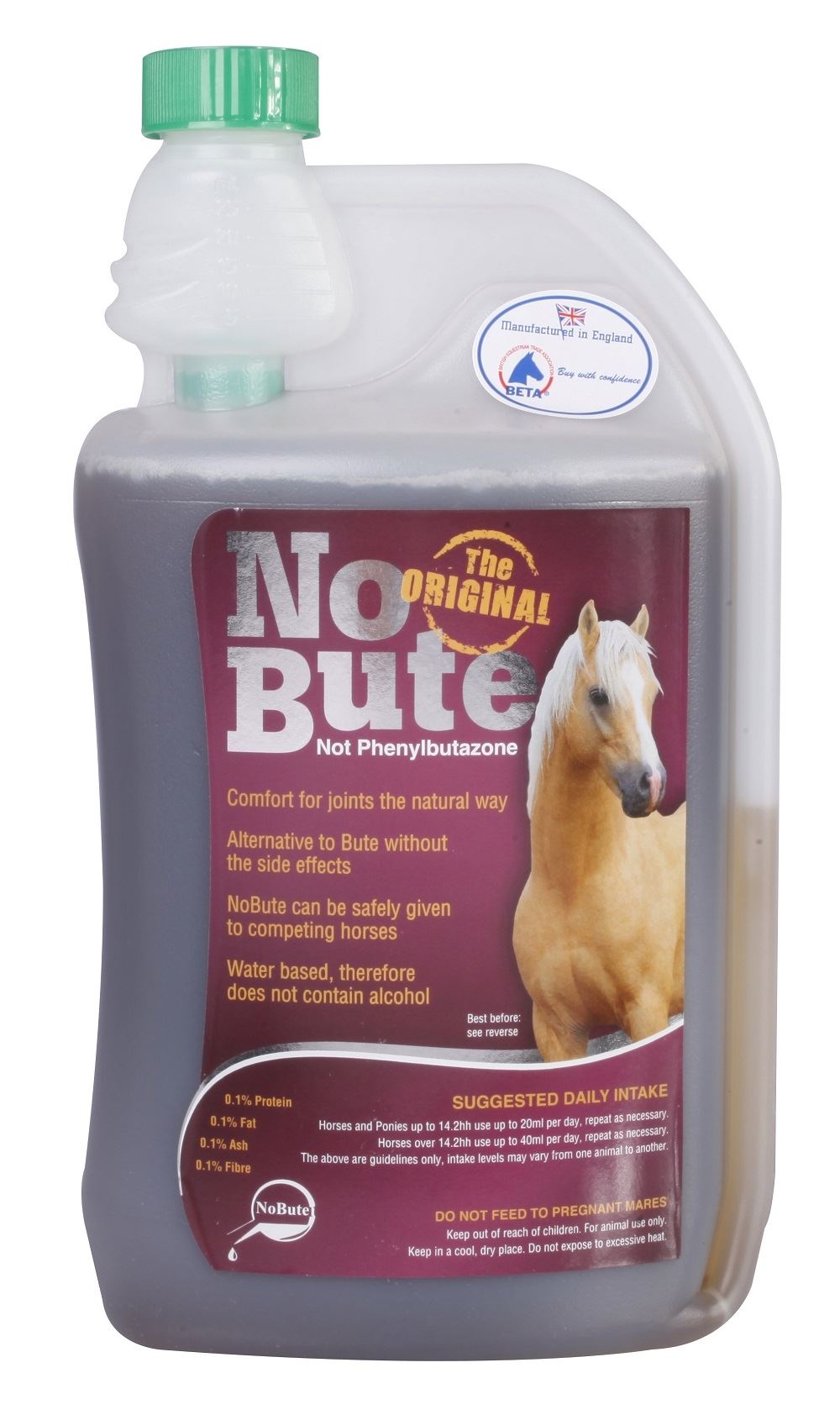
Maintaining joint health begins with a balanced diet, which forms the essential foundation for any equine athlete. Nutritional vigilance involves ensuring that horses receive appropriate vitamins and minerals while avoiding obesity, a known stressor on joints. In particular, supplements can deliver focused support to the horse's cartilage and help reduce inflammation. Comprehensive formulas often include polysulfated glycosaminoglycan, available intramuscularly, to restore joint cartilage balance. Experts suggest products like Adequan, given every four days for seven doses, as beneficial in managing early inflammation stages.
2. Controlled Exercise Protocols: Smart Training Routines
The way you train a horse significantly impacts their joint health. Controlled exercise is crucial as it builds strength without excessive strain on the joints. Techniques such as longeing involve using larger circles at a trot, reducing centrifugal forces and protecting inside limbs during turns. Younger horses, with growing and pliable tissues, gain from gradual conditioning that avoids small circles and high-speed exercises. Additionally, attention to even footing and ensuring proper shoeing are vital components of biomechanics management to prevent joint overload.
3. Advanced Diagnostics: Early Detection and Intervention
Early detection can be a game-changer in managing joint issues. Advanced diagnostic tools such as MRI, CT, and PET scans provide a detailed look at the horse's joints. They can identify potential degeneration before it leads to irreversible cartilage loss. Early intervention is essential, as surveys indicate that around 32.6% of senior competitive horses experience osteoarthritis (OA). Knowing the signs and scheduling regular veterinary checks allow for timely action, minimizing downtime with targeted interventions.
4. Regenerative and Orthobiologic Therapies: Cutting-edge Solutions
In recent years, orthobiologics have presented themselves as promising solutions over traditional treatments like NSAIDs or corticosteroids. Therapies involving stem cells or platelet-rich plasma aim to promote natural repair mechanisms, especially beneficial for early-stage osteoarthritis in high-stress joints. These therapies are particularly suited to horses that show metabolic risks and need a personalized treatment approach. Regular reevaluations by veterinarians ensure these therapies are balanced with the horse's needs, promoting enhanced recovery without additional flare-ups.
5. Management and Preventive Practices: Comprehensive Care
A holistic approach to horse care is essential for preventing degenerative joint disease. This involves focusing on straightforward elements like conformation, hoof health, and safe training surfaces. By understanding the necessity of routine monitoring and rest periods, horse owners can help prevent joint deterioration. Collaboration with veterinary professionals to develop tailored management plans for each horse is crucial. By incorporating these practices, owners can minimize downtime and sustain peak performance in their equine athletes.
In summary, maintaining joint health in performance horses requires a multifaceted approach combining nutrition, exercise, diagnostics, therapies, and management practices. These strategies help minimize performance disruption, which is essential in the high-stakes world of equine sports. Combining these practices helps owners and trainers give their horses a long, fulfilling athletic career, ensuring they remain in their prime for as long as possible.
For more information, check out the full article on TheHorse.com.