Top Strategies For Enhancing Joint Health In Aging Horses
Understanding Aging Joints in Horses
As horses age, they often face the challenges of osteoarthritis (OA), a debilitating joint condition that leads to stiffness, pain, and restricted mobility. This condition emerges due to an imbalance in the synthesis and degradation of joint tissues. While a complete cure for OA remains elusive, there are several effective strategies to maintain joint health and enhance the quality of life for senior horses. Let's delve into some expert-recommended ways to support your aging equine companions.
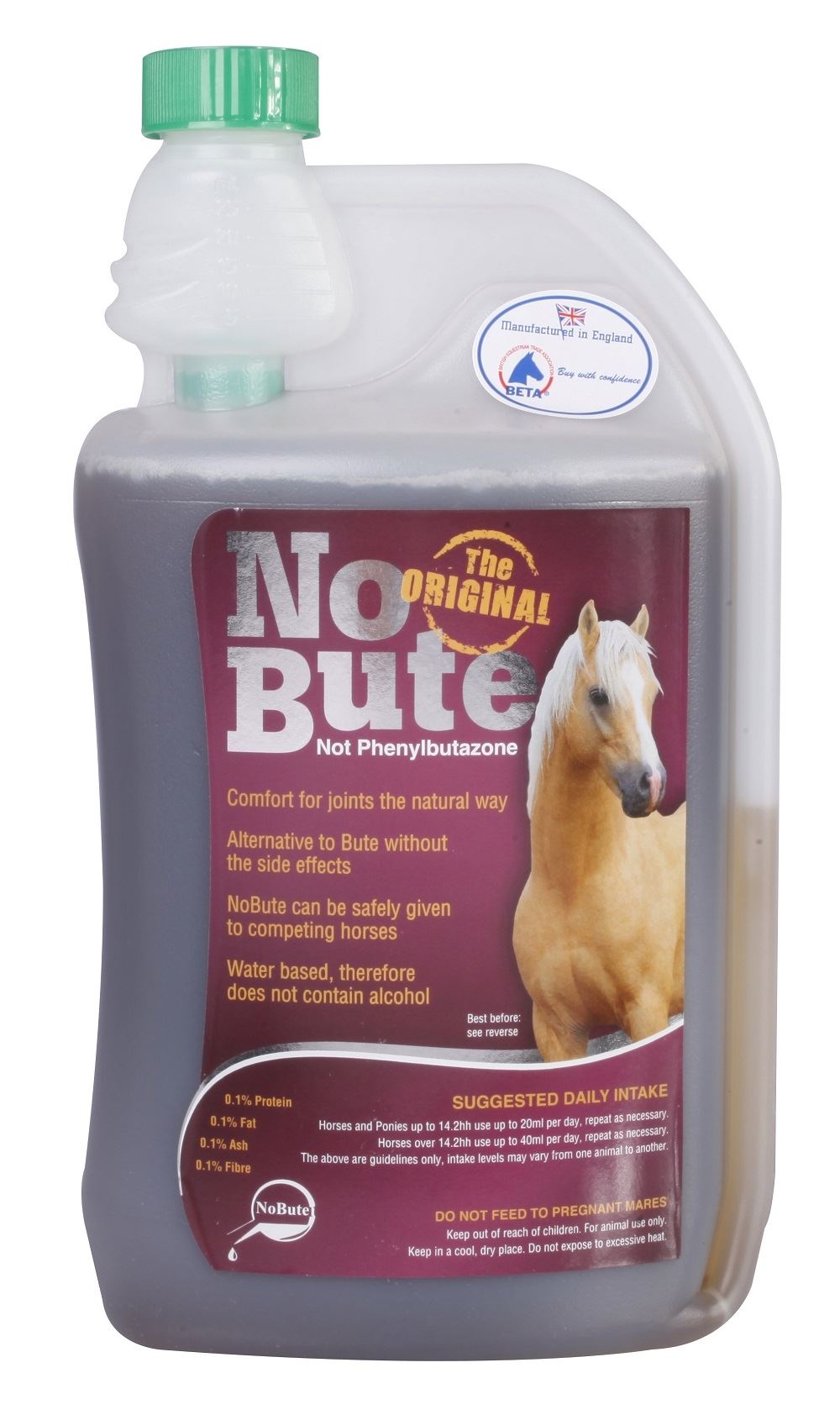
Introduce Evidence-Based Joint Supplements
The world of equine joint supplements is bustling with options, but it's crucial to focus on those grounded in scientific research. Glucosamine and chondroitin sulfate are notable for their promising effects. Glucosamine has been shown to exhibit anti-catabolic effects, potentially slowing down cartilage breakdown, whereas chondroitin sulfate aids in reducing joint swelling by limiting destructive enzymes.
However, it's important to note that not all supplements are created equal. Research indicates variability in efficacy, with some studies noting only limited absorption rates for glucosamine. Therefore, it's advised to choose supplements from reputable manufacturers who adhere to researched doses and quality standards.
The Power of Exercise and Gait Improvement
Regular and controlled exercise is vital for maintaining joint health in senior horses. Exercise helps in enhancing joint flexibility, increases stride length, and improves joint motion. Interestingly, these benefits are seen even in horses not receiving supplements, highlighting exercise’s intrinsic value. Starting with low-impact activities like walking can be particularly beneficial, helping to reduce stiffness and support joint lubrication.
Optimizing Nutrition for Joint Health
Equine nutrition plays a key role in fostering healthy joints, especially in senior horses. Diets rich in anti-inflammatory nutrients and essential trace minerals are crucial. Research in related animal models indicates that correctly balanced nutrition can significantly reduce lameness and mortality rates, underscoring its importance. While supplements can be helpful, it's vital to avoid over-supplementation, ensuring that the feed is both balanced and targeted towards reaching joint tissues effectively.
The Importance of Monitoring and Clinical Signs
Monitoring your horse’s joint health is essential for timely interventions. This can include regular veterinary exams and flexion tests, as well as tracking biomarkers related to cartilage breakdown or synthesis. Early detection of swelling or other symptoms is invaluable, allowing for prompt adjustments in care or treatment plans. Studies have shown that certain supplements can significantly reduce biomarkers associated with cartilage degradation, reinforcing the importance of regular monitoring.
Exploring Synergistic Formulations
In the realm of supplements, synergistic formulations often offer more benefits than single-ingredient products. Ingredients like avocado/soybean unsaponifiables (ASU) and MSM have shown promise in reducing cartilage degeneration and providing pain relief, respectively. When used together, ingredients like glucosamine and chondroitin have been found to slow the progression of OA more efficiently than when used individually. As always, consulting with a veterinarian ensures that the chosen supplements are appropriate for your horse's specific needs.
Implementing Management Changes
Beyond dietary and supplemental interventions, making changes to your horse's environment and daily routines can significantly impact joint health. Ensure your horse's housing provides a comfortable and safe space, with softer footing and regular farriery to minimize joint stress. Weight management is equally important, as excess weight can exacerbate joint issues. Combining these management strategies with supplements and regular veterinary oversight provides a comprehensive approach to supporting older horses.
As studies and data underscore, a proactive and multifaceted approach is the best way to enhance the quality of life for aging horses with joint concerns. Always consult a veterinarian to tailor these strategies to meet your horse's unique conditions, age, and health needs.
Sources:
- [The Horse](https://thehorse.com/)
- [Dove Medical Press](https://www.dovepress.com/efficacy-of-an-equine-joint-supplement-and-the-synergistic-effect-of-i-peer-reviewed-fulltext-article-OAAP)