

Are Current Recommended Horse Feed Amounts Fueling Obesity in Horses?
In today's equestrian world, obesity in horses presents a significant health concern, raising questions and eyebrows alike. With more horses becoming "easy keepers" or classified as obese, horse lovers and owners are starting to question: Could the recommended feeding guidelines be adding to the problem? This blog delves into current feeding practices, the dangers of excess weight, and how to find the perfect balance for your horse’s well-being.
The Rise of Equine Obesity
While a chubby pony might look charming, obesity isn't only a cosmetic issue. It threatens the health and livelihood of horses, heightening risks for conditions like laminitis, equine metabolic syndrome, and potential joint strain. Diet, especially the quantity and type of feed, plays a pivotal role in this trend, alongside other factors.
Understanding the Feeding Guidelines
When it comes to feeding horses and ponies, two conventional strategies are suggested:
- 1.5% of Current Body Weight: Many experts recommend feeding forage at this percentage of a horse’s current weight per day.
- 2% of Target Body Weight: Aiming for the target or ideal body weight, especially crucial for overweight horses.
Let's illustrate with a 14-hand Welsh pony weighing 850 pounds. According to the 1.5% rule, it would need about 13 pounds of hay per day. However, using the 2% guideline for a target weight of 750 pounds, the recommendation would be approximately 15 pounds of hay daily (source).
Are These Recommendations Adequate?
While these measures offer a decent starting ground, they might fall short for "easy keepers" who thrive on fewer calories. Studies highlight the propensity of ponies to consume up to 5% of their body weight in dry matter daily if unhindered—a stark contrast to the typical 2% intake guide (source).
A Cautionary Frog March: The Perils of Over-Restricting Forage
Reducing forage intake drastically—below 1.5% of their weight—could be detrimental, leading to health issues like hyperlipidemia, insulin resistance, and undesirable behaviors, such as wood chewing. Keeping a horse’s nutrition balanced is a delicate dance; radical measures, like starvation diets, can cause more harm than good (source).
Handy Tips for Managing Equine Weight
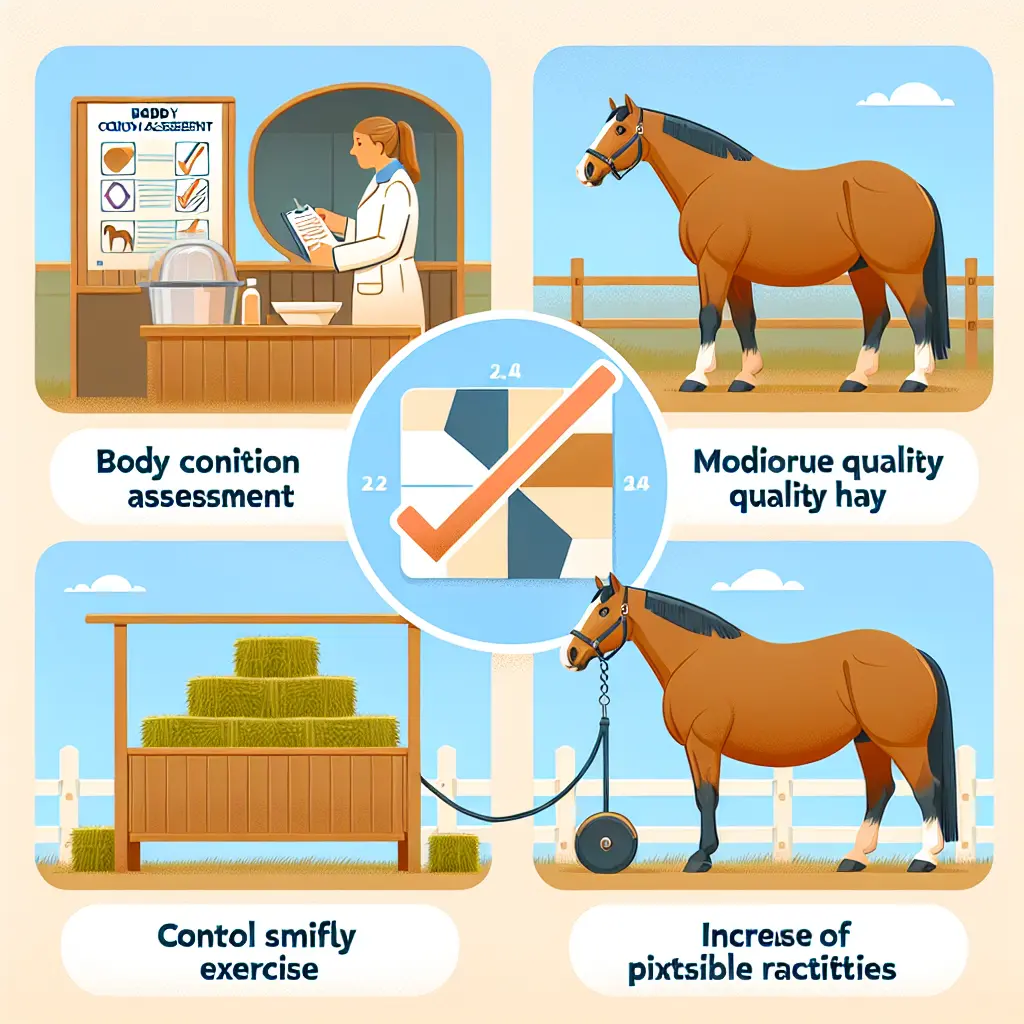
- Monitor Body Condition: Periodically check your horse's weight and condition. Engage your veterinarian for regular guidance.
- Opt for Moderate Quality Hay: Choose low-calorie grass hay and limit access to lush pastures.
- Regulate Hay Intake: Utilize slow feeders or hay nets with small holes to mimic natural grazing patterns.
- Increase Exercise: Balance dietary changes with consistent physical activity to manage weight better.
- Supplement Smartly: Providing balanced vitamins and minerals can ensure nutritional adequacy when hay quality isn’t optimal.
Why Exercise is More Than Just a Trot in the Park
A fitness regime is essential in maintaining a horse’s health. Even modest forms of exercise, like groundwork or walking, can substantially impact a horse's fitness and metabolic stability. They say, "An apple a day keeps the doctor away," but when it comes to horses, it's more like "A good run a day keeps the vet away!"
The Blame Game: Are Feeding Guidelines the Culprit?
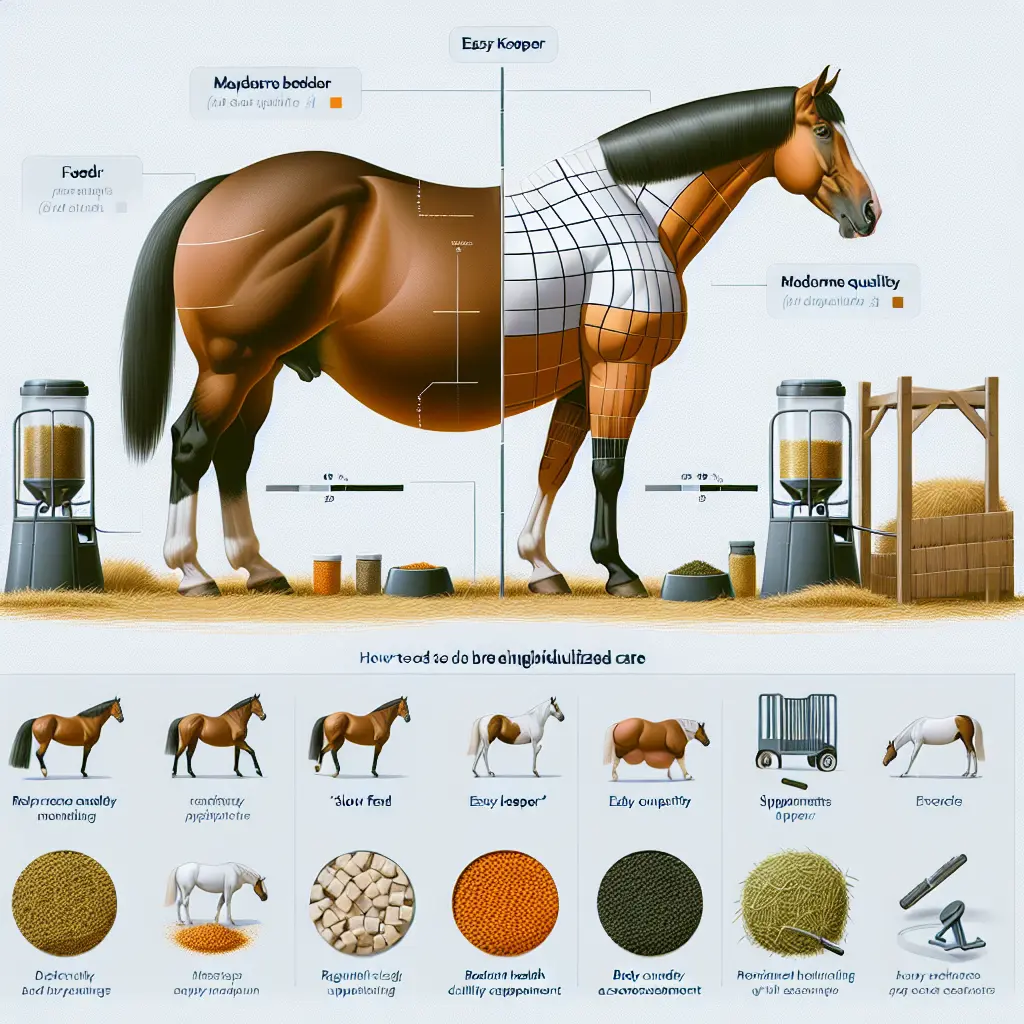
The actual issue isn't necessarily with the guidelines themselves but how adaptably they're applied. Every horse, just like every human, has unique dietary and nutritional needs. One-size-fits-all Recommendations might yield a "hasty pudding" solution to a persistent dilemma.
Conclusion: A Call for a Tailored Approach
To sum it all up, the solution isn't about scrapping the current feeding norms but knowing a horse's individual needs and customizing their diet and exercise regimen accordingly. By closely monitoring weight, adjusting forage as needed, and incorporating exercise, horse owners can stave off obesity and provide the best health care for their majestic companions.
For a curated collection of horse riding essentials, from jodhpurs to stable rugs, don't miss out on the finest Jodhpur Collection and other equestrian needs at Just Horse Riders.