

Building a Bond with Tal: Training and Adventures of a Young Horse
Training and raising a young horse like Tal is not only a journey of skill and patience but an opportunity to foster a deep, trusting bond that can last a lifetime. Understanding the physiological and psychological development of young horses is crucial to ensure their health, performance, and happiness. Here’s an in-depth look at how responsible training and thoughtful adventures help build that special connection while promoting Tal’s growth and future success.
Understanding Young Horses’ Development
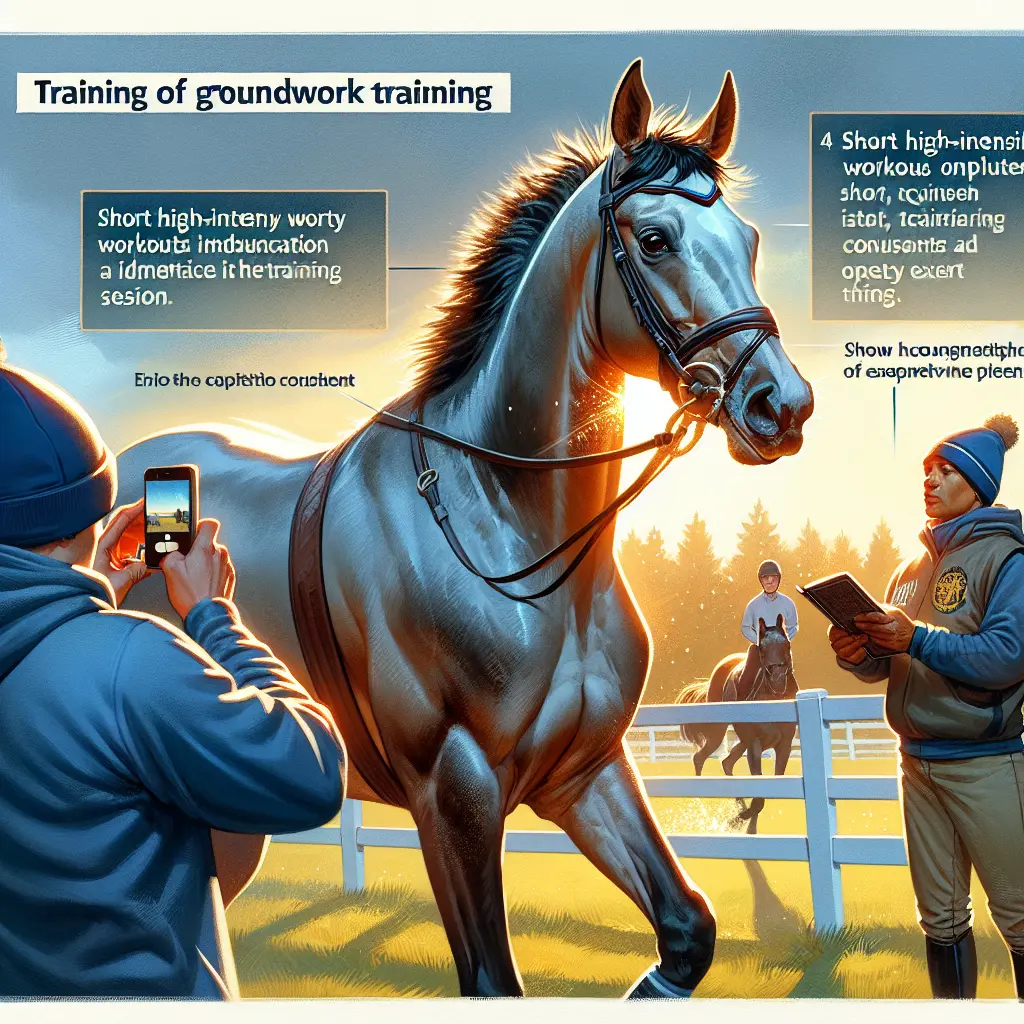
The road to maturity for horses may come faster than expected, with most skeletal growth completed before age two. By the tender age of two, a horse like Tal is physiologically poised to embark on athletic journeys, making this period ideal for starting training programs. These initiatives positively shape the horse’s musculoskeletal system, potentially lowering the risk of injuries later in life [4].
The Science of Training Young Horses
While some hold to the notion that training should commence post full skeletal maturity, around age four, recent insights suggest a two-year onset brings substantial gains. Engaging young horses in short, high-intensity exercises like sprinting aids in fortifying bones, tendons, and ligaments, adapting these pivotal structures for life’s rigors [1]. However, excessive training may be detrimental, highlighting the essential balance between exercise and rest [2].
Practical Training: Building Tal’s Foundation
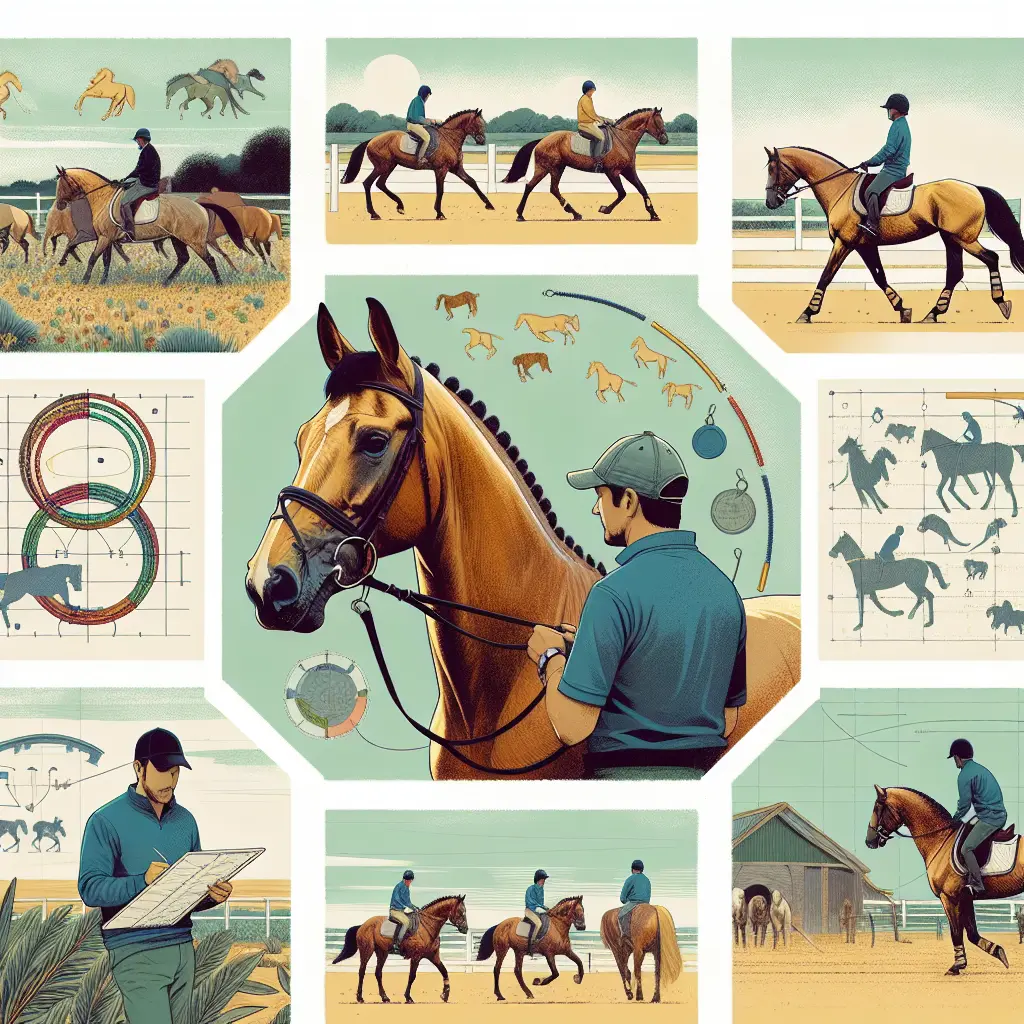
Embarking on Tal’s training involves a mix of groundwork and light conditioning, all designed to sync with natural growth and foster trust and dialogue.
- Groundwork and Handling: Early interactions help Tal acclimate to human contact and build confidence through leading and grooming.
- Short High-Intensity Workouts: Integrate bursts of high-speed activity to promote structural adaptation.
- Monitoring Recovery: Ample rest after workouts prevents overtraining, supporting sound development.
- Longitudinal Tracking: Meticulously record training data to inform program adjustments and track progress over time [3].
The Adventure of Bonding: Beyond Physical Training
Beyond physical fortification, Tal’s training journey blossoms into an adventure of trust-building and emotional connection. Positive interactions, gentle handling, and rewarding behaviors nurture this bond, while hikes and playtime bolster Tal’s mental well-being and learning enthusiasm.
Facts and Figures to Support Training Decisions
Delving into data provides remarkable clarity:
- The Equine Injury Database (2009–2018) indicates younger starters in races suffer fewer injuries compared to older counterparts, underscoring the benefits of early training [1].
- Surveys from equine nutrition companies reveal 79% of respondents support training initiation at youth, aligning with benefits in musculoskeletal robustness and longevity [2].
- Smart, early training correlates with lower lameness rates and increased earnings, affirming both health and financial upsides [2].
Tips for Owners and Trainers Starting Young Horses
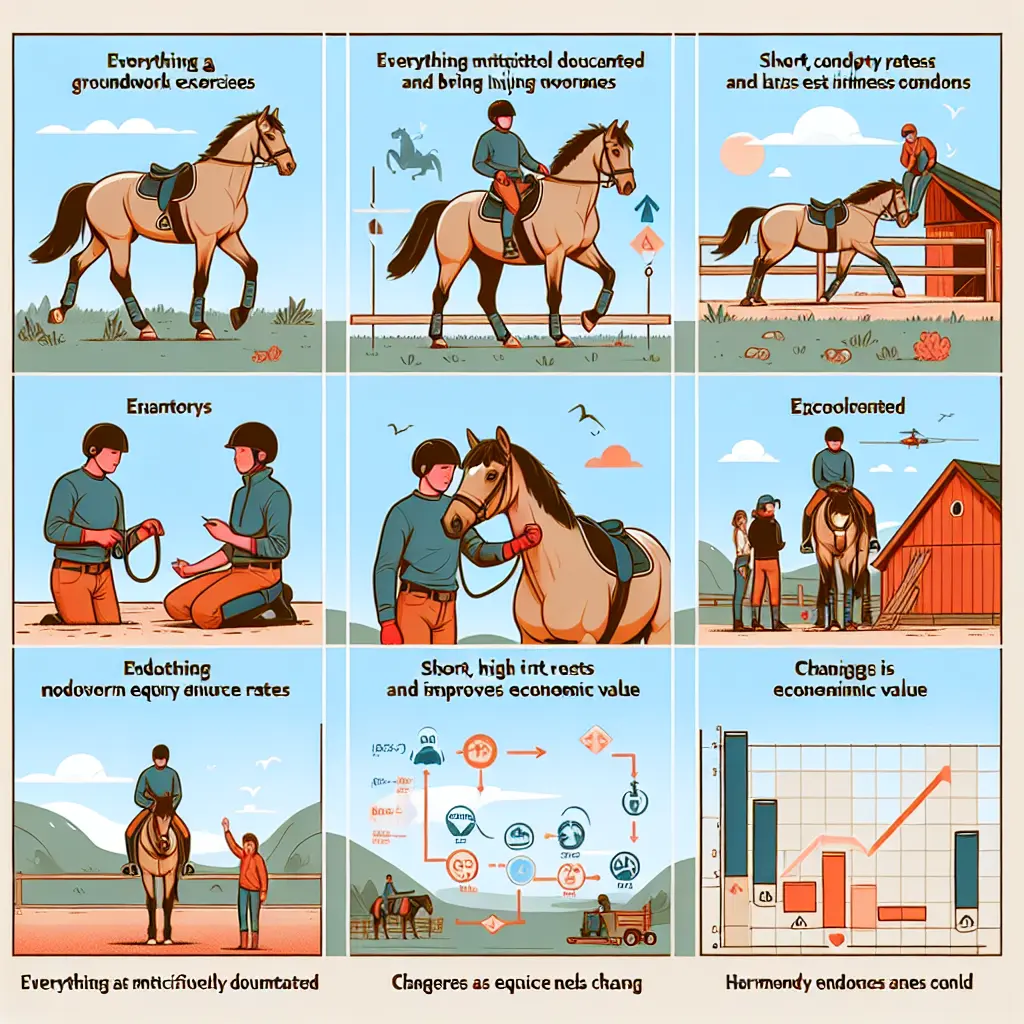 For those keen to begin the training dance with young horses, here are strategies to explore:
- Initiate training with gentle handling to build rapport and calmness.
- Leverage short, impactful exercise sessions to nurture bone and tendon resilience.
- Avoid extended confinement during pivotal growth stages to fend off bone and joint weakness.
- Routinely evaluate training and health data to adapt plans and deter overtraining.
- Engage with vets and equine experts for balanced, scientific training design.
Conclusion
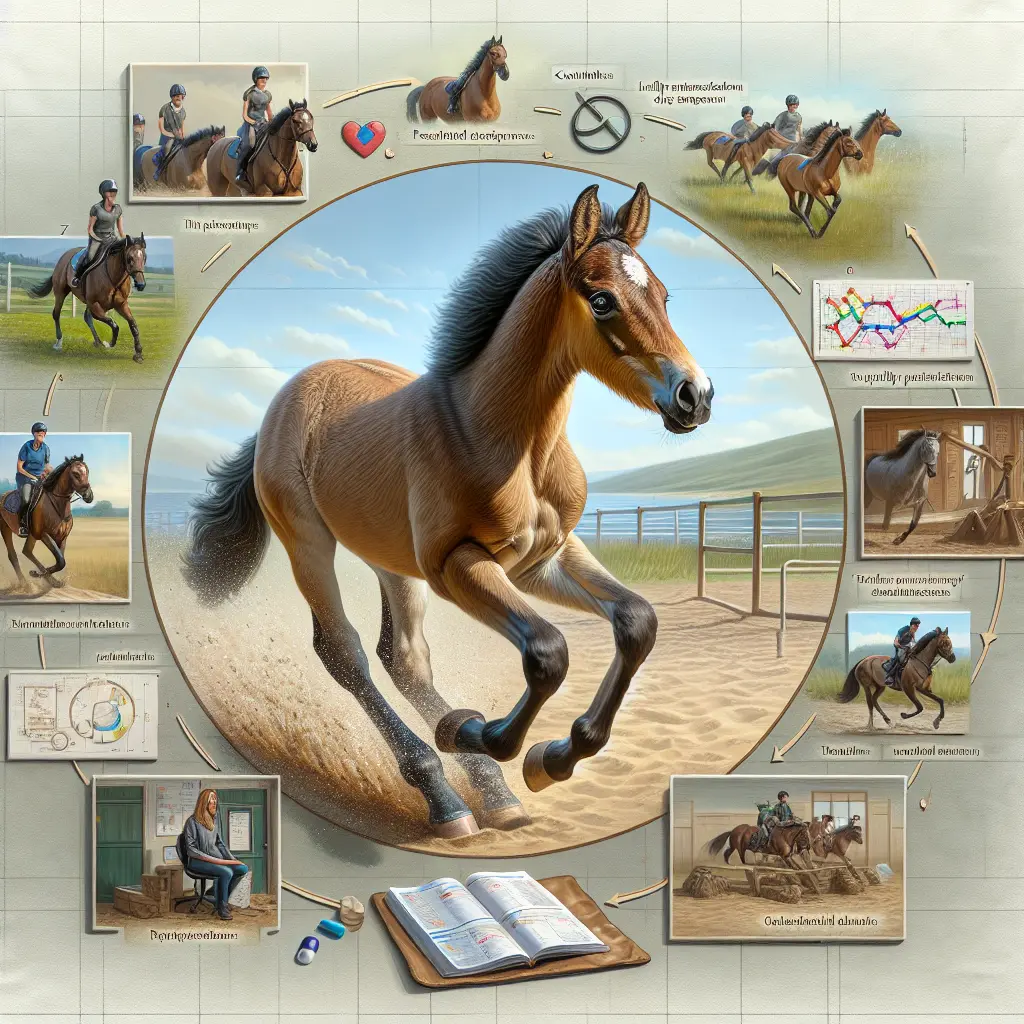
Forging a bond with Tal through training entwined with adventures is a gratifying quest of blending science, empathy, and endurance. Adopting modern insights on equine development, owners foster Tal’s growth into a robust athlete with a heart full of trust. Thoughtful, evidence-backed training not only aids physical maturity but kindles a respectful, understanding partnership.
Explore our collections:
- Our Jodhpur Collection offers durable and stylish options for every rider's needs.
- Select from our Horse Riding Boot Collection to ensure comfort and safety in every step.
- Keep warm and secure with options from our Horse Riding Gloves Collection.
- Add a dash of flair with our Horse Riding Socks Collection.
- Treat your horse with love using our Horse Treats And Gifts.
- Bolster your horse’s health with our Everyday Horse Vitamins & Supplements.
- Our wide range of Stable Rugs provides comfort during downtime.
- For open-air protection, browse our Turnout Rugs.
- Defend against pests with our Horse Fly Protection.