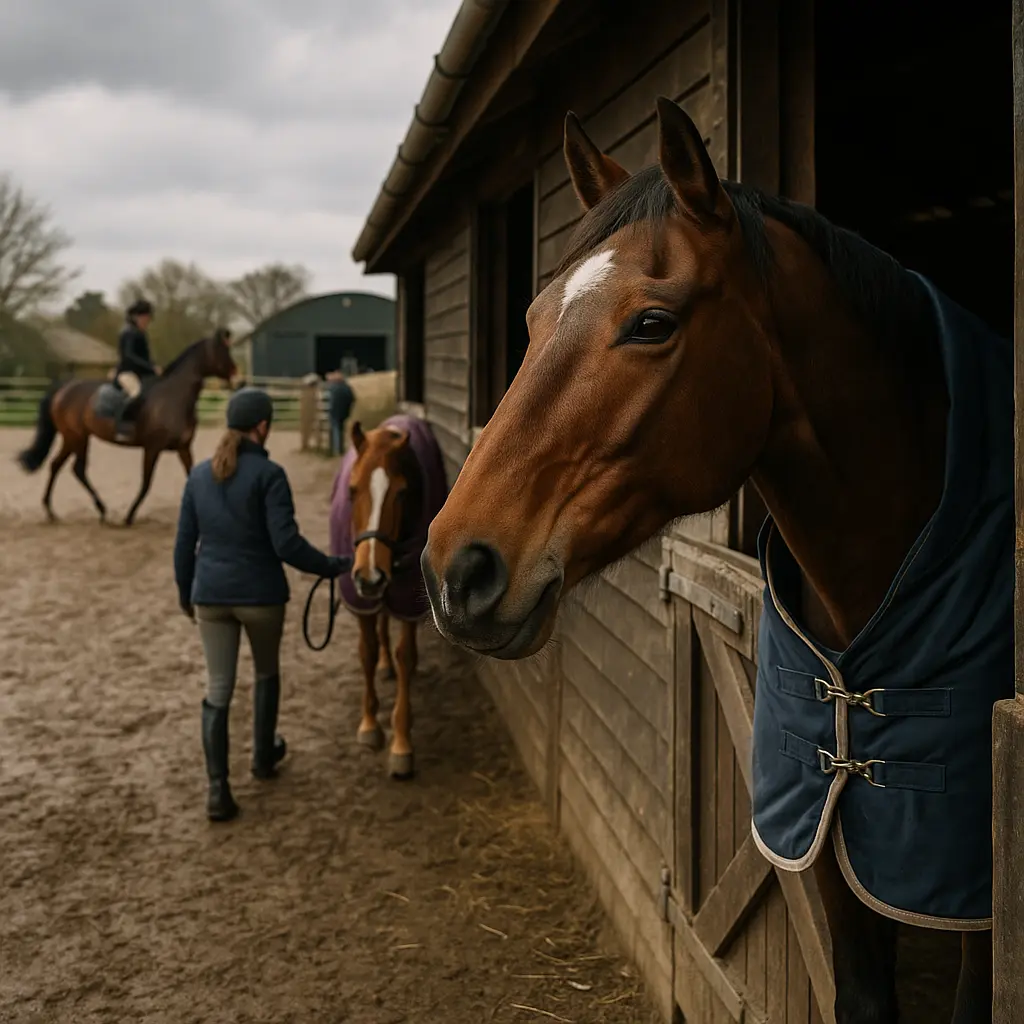
Horses that look like a “bargain” are tempting in a tight economy, but the cheapest price tag rarely equals the lowest cost of ownership. With UK livery fees up and turnout tightening, buying smart — not just cheap — protects you and your horse.
Key takeaway: In today’s UK market, plan for £5,000–£10,000+ per year in running costs, insist on BEVA-level vetting and Defra passport checks, and budget for rugs and enrichment to cope with British winters and restricted turnout.
Should you buy a “cheap” horse now?
Yes — if you go in with eyes open on rising UK costs, robust pre-purchase checks, and a clear 90-day settling plan. No — if you’re banking on the sticker price alone or skipping vetting and UK-specific fit-for-purpose trials.
Great Britain has 1.82 million regular riders and a £5 billion equine industry employing around 230,000 people, so demand and running costs are real factors for every owner (ICAEW Equine Industry Profile). In 2023, 77% of livery yards raised fees, with nearly a third adding £20+ per month to cope with feed, bedding, fuel, utilities, and wages (ICAEW citing British Equestrian). Those increases don’t stop when the sales ad disappears.
Meanwhile, 70% of UK equestrian centres want to expand but can’t due to workforce shortages and rising costs, and half have waitlists averaging 20 names (British Equestrian Research & Insights). Put simply: space, staff, and budgets are tight. Buying well means planning for that reality, not hoping you’ll dodge it.
The UK equine market in 2026: what the data says
Costs are rising, capacity is constrained, and healthcare spending is growing — but the sport’s social value is proven and significant. Your ownership plan must balance economics with welfare, time, and support.
Healthcare spend in the UK equine market reached £256.1 million in 2023 and is forecast to hit £425.3 million by 2030 at 7.5% CAGR, driven largely by pharmaceuticals (Grand View Research UK Equine Healthcare). On the supply side, the British Horseracing Authority notes an estimated 2,000-employee shortfall in racing and breeding (cited by ICAEW), while general equestrian centres report similar staffing and horse shortages. Some foal crops are down around 7% year-on-year, signalling fewer quality horses coming through.
Yet the sector’s social impact is unequivocal. British Equestrian’s 2025 analysis found equestrianism delivers £1.2 billion in social value annually — an average of £292,000 per riding centre — through health, wellbeing, and community benefits (The Power of Horses). As CEO Jim Eyre notes:
“This research marks a significant milestone for the equestrian sector – the beginning of a new stage, where we are able to clearly demonstrate our contribution to public health and wellbeing.”
The takeaway: ownership is still deeply rewarding and societally valuable — but you must budget and buy with discipline.
What a “cheap” horse really costs in the UK
Expect £5,000–£10,000+ per year for livery, feed, farriery, insurance, routine vet, and kit — plus £500–£1,500 for Irish import transport, and extra for rugs and enrichment if turnout is limited.
Break down your likely outgoings before you view a horse:
- Livery and yard costs: With 77% of yards raising prices in 2023 (often £20+ per month), assume higher winter bills if turnout is restricted and bedding/feed use increases (ICAEW).
- Veterinary and healthcare: The UK’s equine healthcare market growth reflects rising spend on routine and remedial care, not just emergencies (Grand View Research).
- Farriery: Shoeing and trimming must be done by a farrier registered under the Farriers Registration Act 1975; poor feet are expensive to correct. Inspect quality at viewing.
- Transport and import: Irish imports typically add £500–£1,500 for transport/quarantine checks.
- Rugs and stabling kit: UK winters often require layered protection. Budget at least one medium-weight turnout and a stable rug for wetter, colder spells. See our curated winter turnout rugs and stable rugs.
- Behaviour and enrichment: With UK weather volatility and staffing pressures, horses may spend more stable time; factor in enrichment to protect welfare (PetBrands 2026 Equine Trends).
Quick tip: Calculate a 10%–15% contingency for unexpected veterinary or management changes (yard policy, winter grazing closures, sudden dietary needs), then decide if your “cheap” horse is still affordable.
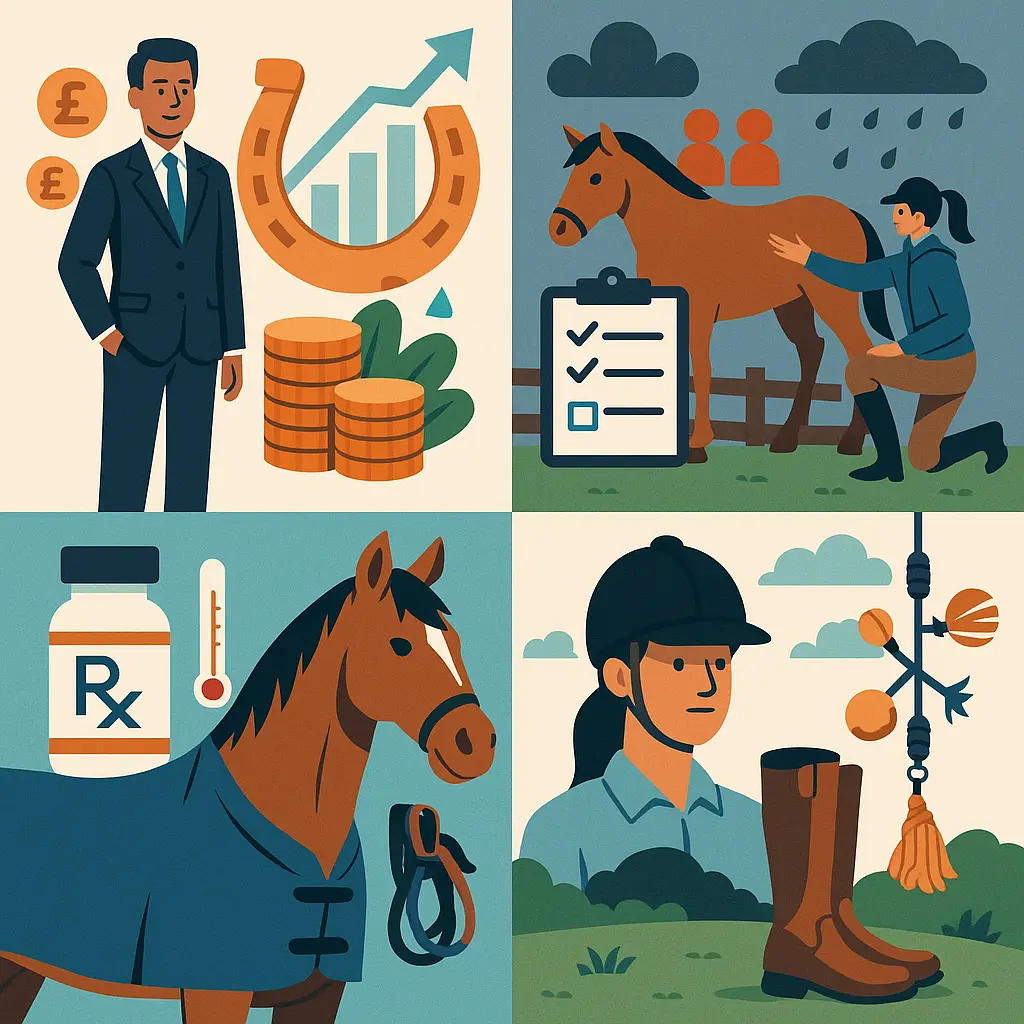
Buying safely: the non-negotiable checklist
Insist on a BEVA-standard pre-purchase exam, verify passport and microchip under Defra rules, check farriery meets FRA standards, and trial in British conditions (wet grass, mud, traffic).
Use this UK-centric due diligence flow:
- Pre-purchase vetting: Book a BEVA-approved vet for a 2- or 5-stage exam to screen for lameness, wind, eyes, heart, and dental issues. Ask for flexion tests, ridden assessment, and bloods for later analysis if needed. If you’re managing initial checks yourself, keep a thermometer and basic first-aid handy on viewings, then follow with professional vetting.
- Passport and microchip: Under the Horse Passport Regulations (administered by Defra and ID issuers), the passport must match the microchip and be correct for ownership transfer. Look for any racing/export annotations that could reflect prior welfare or medication restrictions. Cross-check identity before money changes hands.
- Farriery signs: Under the Farriers Registration Act 1975, only registered farriers may shoe. Look for balanced feet, correct angles, and recent, professional work. Poor, long toes/low heels now can mean higher long-term remedial costs.
- Trial in UK conditions: Ride and handle on wet grass, through gateways, and in mild mud. Test box manners, loading, and traffic. Irish imports may be green to British winter turnout restrictions and heavier, clay-based ground.
- Behavioural history: Ask for videos in varied settings, past vet and dentist records, and previous owner details. Avoid “no timewasters” ads with limited transparency.
At Just Horse Riders, we recommend turning up prepared so you can ride and handle safely. Bring a certified riding helmet, supportive horse riding boots, and weather-ready women’s jodhpurs & breeches that won’t slip when the saddle or stirrups are wet.
Importing from Ireland and platforms like DoneDeal
Irish horses can be excellent value, but high-turnover platforms often lack rigorous vetting, so you must double down on BEVA exams, passport checks, and UK-condition trials.
Because economic pressures are pushing some owners to sell earlier or with limited maintenance, UK buyers can face hidden healthcare and schooling costs later — a risk underscored by the sector’s expanding healthcare spend towards £425.3 million by 2030 (Grand View Research). When buying off-platform or long-distance:
- Budget £500–£1,500 for transport/quarantine/agent fees, and insist on contracts that cover responsibility in transit.
- Request recent videos over jumps, in open fields, and hacking with traffic. Red flags include poor coat, untrimmed or uneven hooves (not to FRA standards), and no vet/dental history.
- Verify passport and microchip before collection. No valid ID, no sale.
- Arrange a UK-based, independent vetting on arrival even if one was done abroad; conditions and work surfaces differ, and issues can emerge with travel and stabling changes.
Pro tip: Plan safe trials. Pack your own hat and footwear, and consider hi-vis gear if you’re hacking unfamiliar lanes. If the seller won’t allow a proper test in realistic conditions, walk away.
Settling your new horse into UK livery
Assume more stable time in winter due to mud and yard staffing, then plan rugs, forage, and enrichment to keep weight, skin, and behaviour on track.
British weather volatility and land pressure mean many yards restrict turnout for weeks at a time. Pet sector analysis highlights stable enrichment as a welfare essential when horses spend longer in, especially amid staffing shortages (PetBrands 2026). Here’s how to set up for success:
- Rugs: Most horses need a 200–300g turnout when temperatures drop below ~5°C, with a waterproof outer for prolonged rain. Choose durable, well-fitting options such as Weatherbeeta rugs, and keep at least one clean spare. For stabled nights, add or swap to appropriate stable rugs.
- Skin and legs: Wet-dry cycles increase mud fever risk. Hose and dry legs carefully, use breathable protection like horse boots & bandages where appropriate, and maintain a regular grooming routine.
- Diets and supplements: Changing from Irish grazing to UK turnout/stabling can affect weight and temperament. Introduce forage and concentrates gradually, and use targeted supplements (electrolytes, gut support, skin/hoof) to smooth the transition. Many UK owners trust established solutions from NAF supplements.
- Enrichment: Stable mirrors, foraging toys, and varied hay placement reduce boredom and stress during restricted turnout.
Our customers often report that getting rugs and forage right in the first fortnight prevents a cascade of skin, weight, and behaviour challenges through winter.
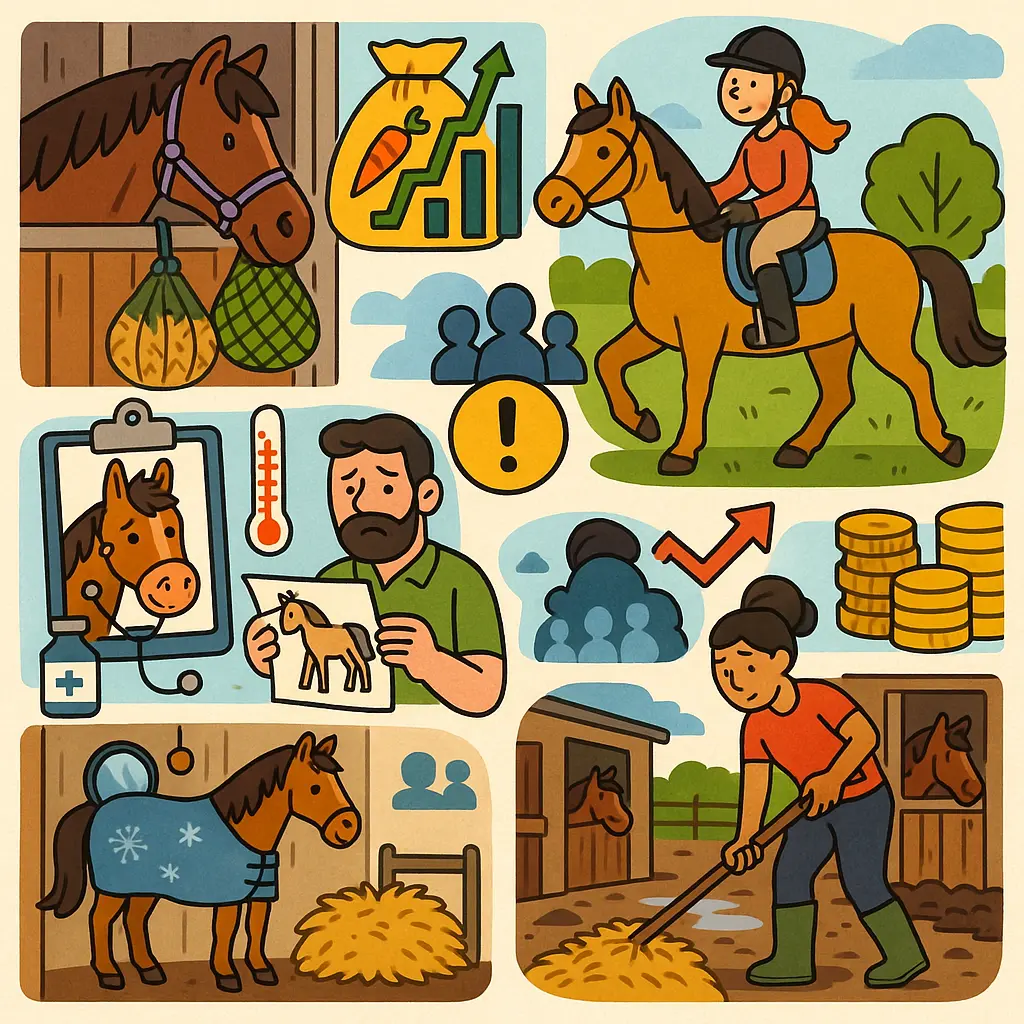
Your first 90-day kit checklist
Secure the basics for weather, safety, and daily care on day one, then layer in discipline-specific gear once the horse is settled and vetted clear.
- Turnout protection: One medium-weight and one lightweight turnout rug with spare liners; consider neck covers in persistent rain.
- Stabling: A breathable stable rug, salt lick, and simple enrichment (mirror/forage nets).
- Feet and legs: Everyday brushing boots and support wraps from our horse boots & bandages range; schedule your first visit with a registered farrier.
- Grooming and skin care: Quality brushes, hoof pick, and anti-mud shampoo from our grooming essentials.
- Nutrition: Forage plan plus transition-friendly supplements (electrolytes during work, digestive support through diet changes).
- Rider safety and comfort: Certified riding helmets, grippy horse riding boots, weatherproof women’s jodhpurs & breeches, and visibility for hacks with hi-vis gear.
- Smart savings: Stretch your budget with quality past-season picks in our Secret Tack Room clearance. Brands like LeMieux and Weatherbeeta often feature at excellent value.
Quick tip: Keep a simple “arrival log” for the first 30 days (rugs, feed, turnout, work, droppings, skin/feet notes). Small changes are easier to spot — and fix — early.
Budgeting and planning to ride the cost-of-living wave
Plan £5,000–£10,000+ per year, review livery contracts for winter policies, and set aside a 10%–15% buffer for healthcare and feed spikes.
Rising costs for feed, bedding, fuel, utilities, and wages are real and ongoing; in 2023, 77% of yards raised fees, and 55% of equestrian centres reported cost-of-living pressures affecting operations (ICAEW; British Equestrian Research & Insights). Build resilience into your plan:
- Know your yard: Ask how they manage flooding, frozen ground, and field rest. More stabling means more bedding and hay — and more time for you or staff.
- Insure smartly: Match cover to risk tolerance and workload; consider vet fee limits that reflect the UK’s growing healthcare costs.
- Buy quality once: Well-fitting rugs and boots reduce rubs and vet visits. Look for durable stitching, breathable linings, and proven waterproofing.
- Leverage social value: Local riding centres provide significant wellbeing benefits — £1.2 billion of social value across the UK each year (British Equestrian). Building relationships with good yards, coaches, and vets repays you in advice and community.
If you need to stage purchases, prioritise safety (hat/boots), weather protection (turnout/stable rugs), and hoof/skin care (grooming, basic leg protection). Add discipline-specific kit later.
FAQs
Are cheaper Irish horses on DoneDeal often welfare risks for UK buyers?
They can be if you skip vetting and ID checks. High-turnover platforms may have limited vet oversight, and economic pressures can mask maintenance gaps. Protect yourself with a BEVA pre-purchase exam, Defra passport/microchip verification, and trials on wet grass and in traffic; remember the UK equine healthcare market is expanding towards £425.3 million by 2030, reflecting real treatment costs.
What extra costs should UK buyers expect with an imported horse?
Budget £500–£1,500 for transport/quarantine, plus passport validation and any agent fees. Then factor in UK livery increases (77% of yards raised prices in 2023, often £20+ per month) and feed inflation. Add rugs suitable for British rain and mud.
How do I spot a poor-welfare horse in online ads?
Look for dull coat, visible ribs or pot belly, overgrown or misshapen hooves (not FRA-standard work), minimal handling videos, and no vet/dental history. Always trial in UK-like conditions — wet surfaces, gates, and traffic — and insist on independent vetting.
Is now a good time to buy affordably due to industry declines?
It depends on your readiness, not the headline price. Some foal crops fell around 7% in 2024, and workforce shortages limit capacity, which can push prices up despite broader economic pressures. Value appears where horses are honestly represented and buyers do rigorous checks.
Do Irish horses adapt well to UK livery yards?
Often yes, with a plan. Expect adjustments to heavier ground, more stable time in winter, and different forage. Support the transition with appropriate turnout rugs, a gradual diet change with supplements, and enrichment to reduce stress.
What’s the total cost of horse ownership in the UK right now?
Allow £5,000–£10,000+ per year once you include livery, feed, farrier, insurance, routine vet care, and kit. Build a 10%–15% buffer for unexpected healthcare and winter-related expenses.
What rider kit should I bring to viewings and trials?
Wear a certified helmet, supportive boots, weather-ready jodhpurs & breeches, and consider hi-vis for any roadwork. Good kit helps you ride accurately and assess the horse fairly in real UK conditions.
Buying a horse in today’s UK market is absolutely doable — and incredibly rewarding — when you plan for real-world costs, insist on gold-standard checks, and equip for British weather. If you’d like help outfitting your first 90 days, our team at Just Horse Riders is here to advise on fit, layering, and value across rugs, boots, grooming, and supplements.