

Creative Solutions for Reducing Hay Waste in Horse Stables: Beyond Haynets
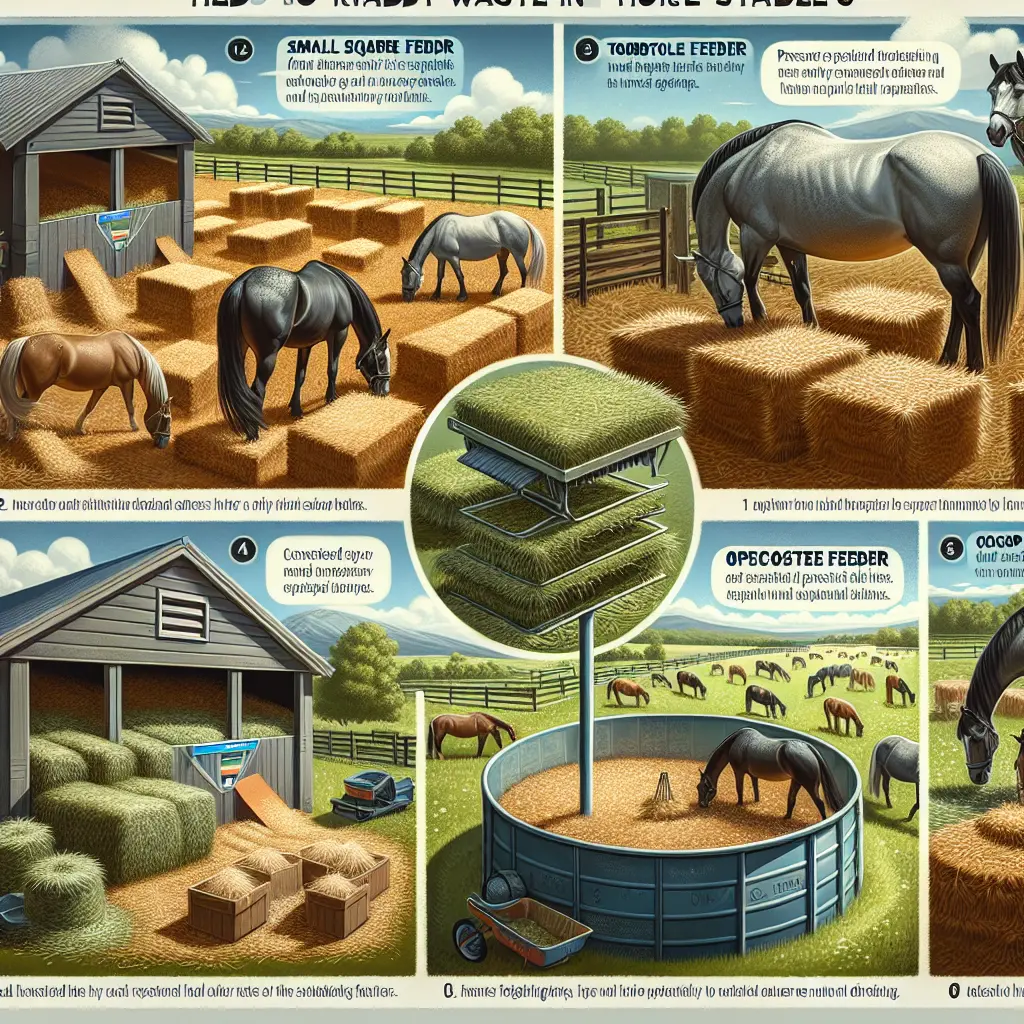
Is your stable starting to look more like a hay brawl than a horse haven? Reducing hay waste not only saves money but also contributes to a more sustainable equestrian lifestyle. While haynets are a staple in the quest against waste, why limit yourself when there's so much more you can do? Let's delve into innovative approaches to minimize hay wastage without the nets, setting you on a greener, leaner path.
Hay Feeders: Your New Best Friend?
Straw isn't straw away with feeders that know the drill. **Hay feeders** are a top-tier choice for reducing waste. When feeding from the floor, horses can waste a significant portion of hay. Yet, with feeders, misuse drops dramatically—by around 6% for small square bales. And the magic doesn't stop there; with round bales, you can see wastage cut by an astonishing 38 percentage points with feeders like the Tombstone or ring feeders.
OptiMizers and Slow Feeding Systems: The Slow and Steady Win the Race
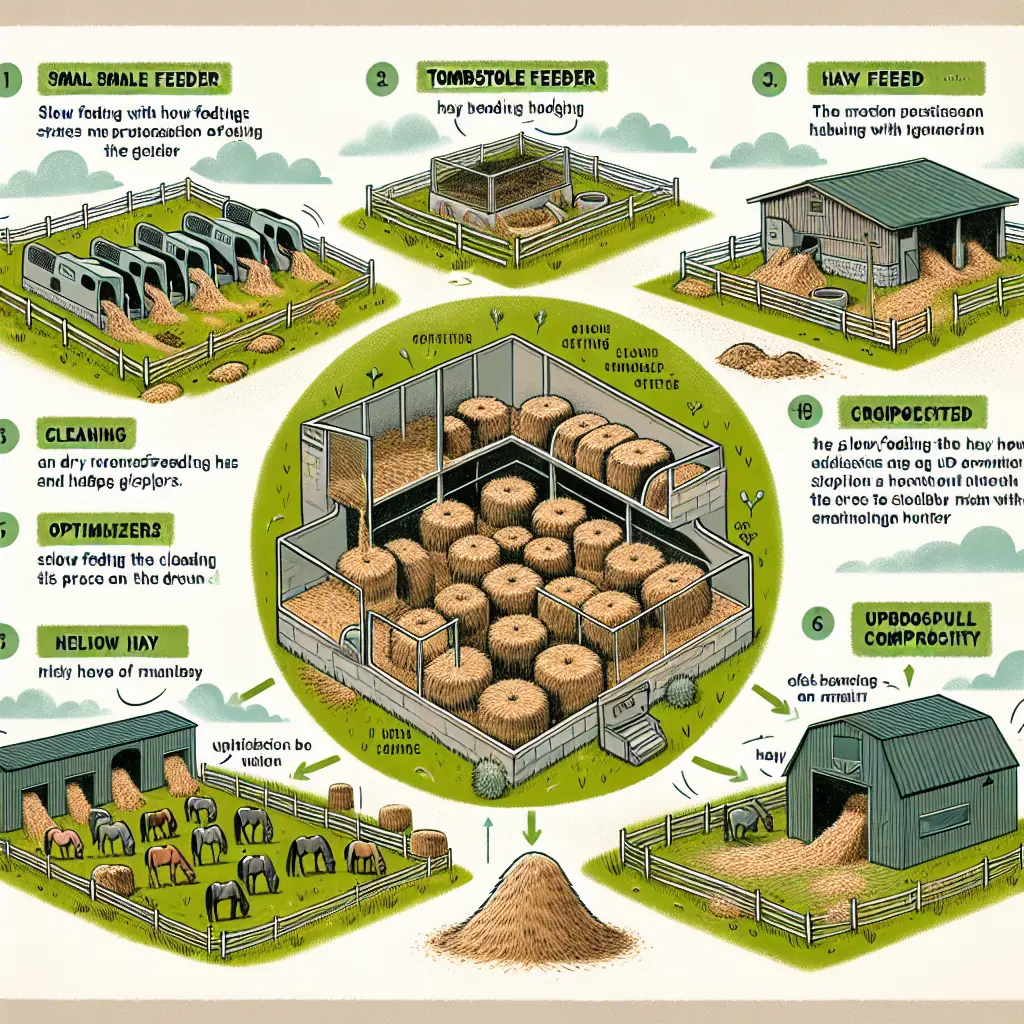
Not quite a magic trick, but close—OptiMizers: are specialized slow feeders designed to curb waste to less than 1%. That’s right, less than 1%! These feeders encourage healthy eating habits by slowing down the munching to mimic natural grazing. The result? Less trampling and less rejection of hay. Why trot when you can canter, right?
Proper Storage Practices: Protecting the Precious
Proper storage can prevent your hay from turning into a soggy mess. Store your hay in dry and well-ventilated places to keep it safe from moisture and pests. If outside storage is necessary, a UV-resistant tarp or a custom-built hay shed will be your best allies. Regular checks can nip any issues in the bud, ensuring your hay remains top-tier for your needs.
Hay Selection and Hygiene: Quality Over Quantity
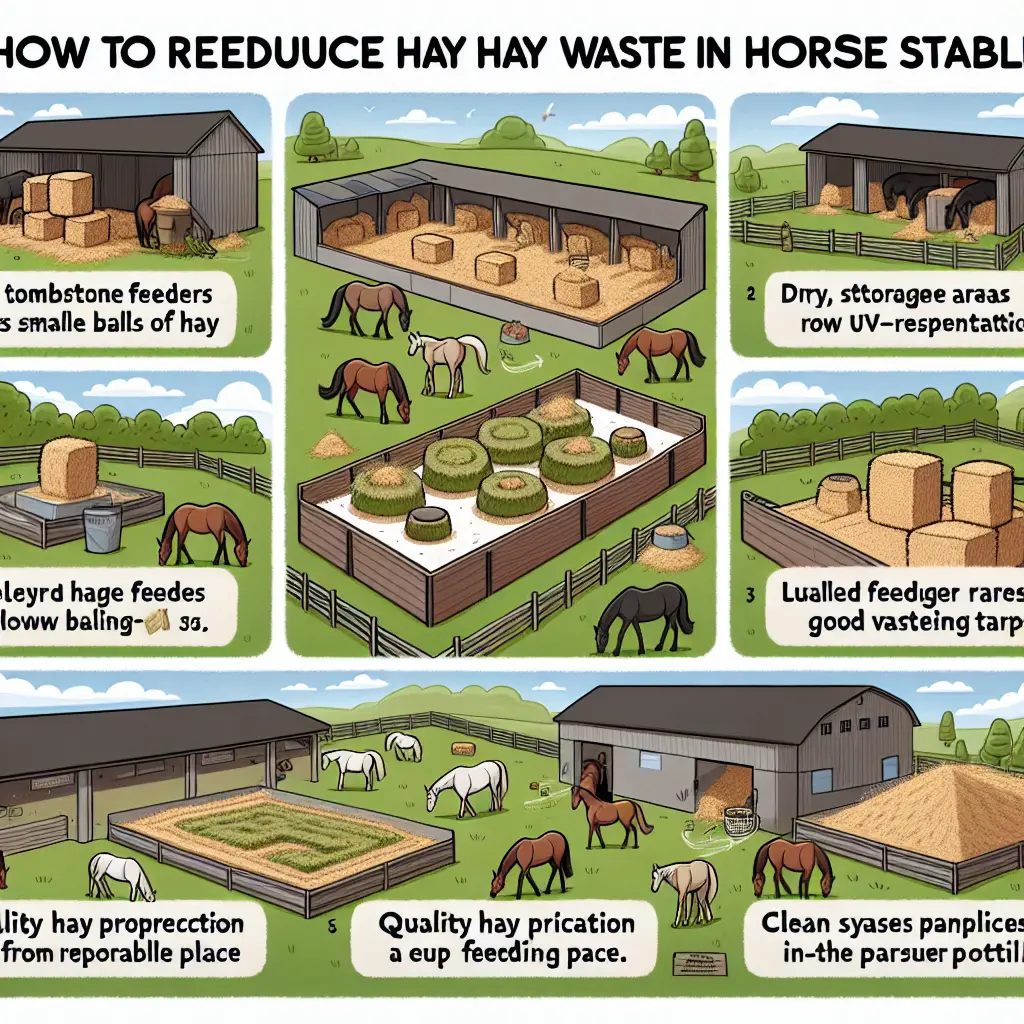
When it comes to hay quality, don't skimp. Using a reputable supplier ensures you're getting the crème de la crème of hay. Quality hay is less likely to be rejected by horses. Match your hay type with the nutritional requirements and preferences of your horses to cut down on waste. Maintaining a clean feeding area additionally wards off any unwelcome organisms that could render the hay unpalatable.
Pasture Feeding and Rotation: Let Nature Work
More greens, less waste. Incorporating pasture feeding can substantially reduce the reliance on hay. During lush periods, horses can graze naturally, allowing for a greener feeding alternative. Additionally, rotating pastures ensures the earth remains fertile and well-nourished, supporting the growth of nutrient-rich grass.
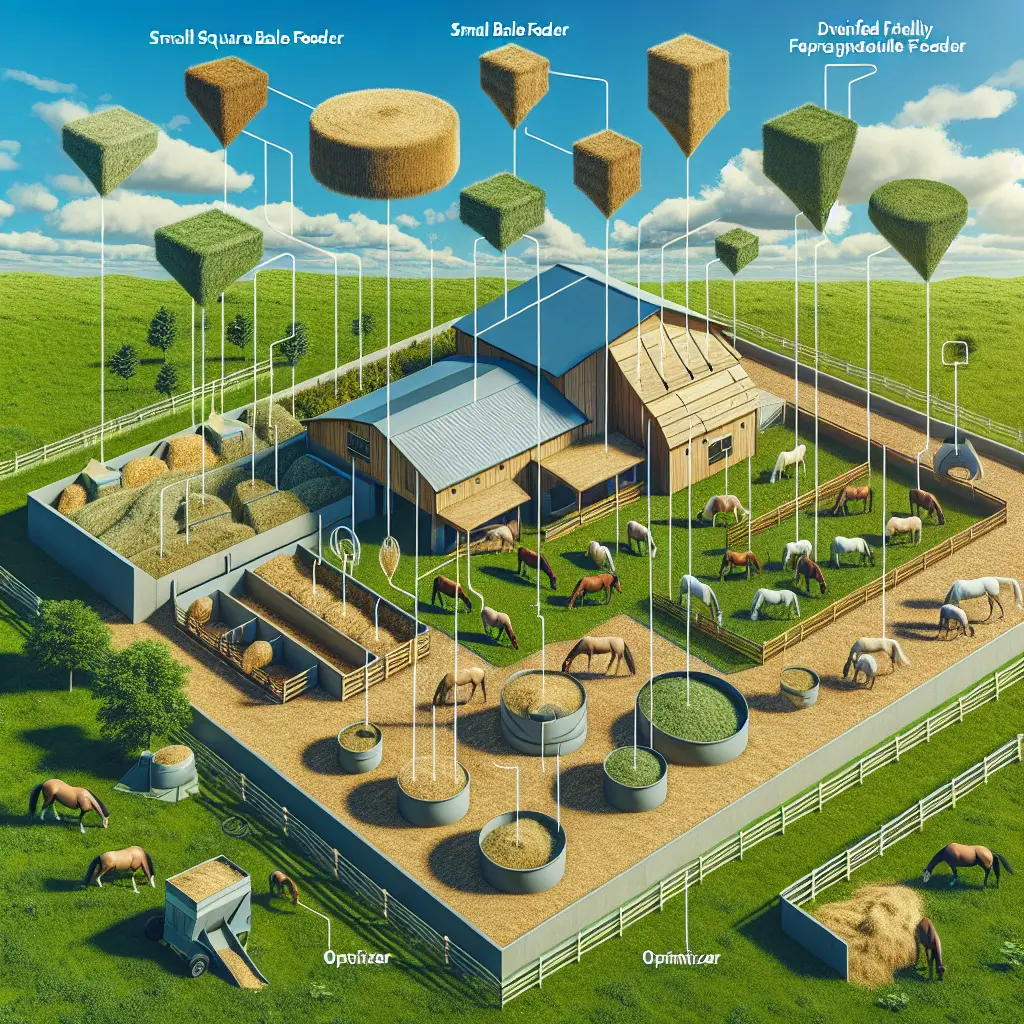
Composting Hay Waste: From Waste to Wonder
Need a composting plan that’s all about giving back? Turn hay waste into nutrient-rich compost. By hooking up your hay scraps with manure management systems, you’re crafting a fantastic fertilizer source. Use it on pastures to bolster your natural grazing practices, effectively reducing fertilizer purchases.
Conclusion: A Brighter, Greener Future
Reducing hay waste isn’t just about saving resources; it’s about building a more sustainable and harmonious relationship with the earth and your hooved partners. Embrace innovative methods beyond haynets—be it through feeders, pasture management, or composting—and watch as your stable becomes both a paragon of efficiency and a nod to our planet’s longevity.
For those enamored with promoting a sustainable equestrian lifestyle, spreading the word is just as important as practicing what you preach. Here’s to a waste-free, worry-free stable life!