

Exploring Natural Supplements for Managing Grass Glands in Horses
Horses, the majestic creatures that they are, occasionally face minor health issues, one of which is grass glands. This article focuses on natural supplements that can manage this condition, blending humor with practical advice to make this an enjoyable read.
Understanding Grass Glands
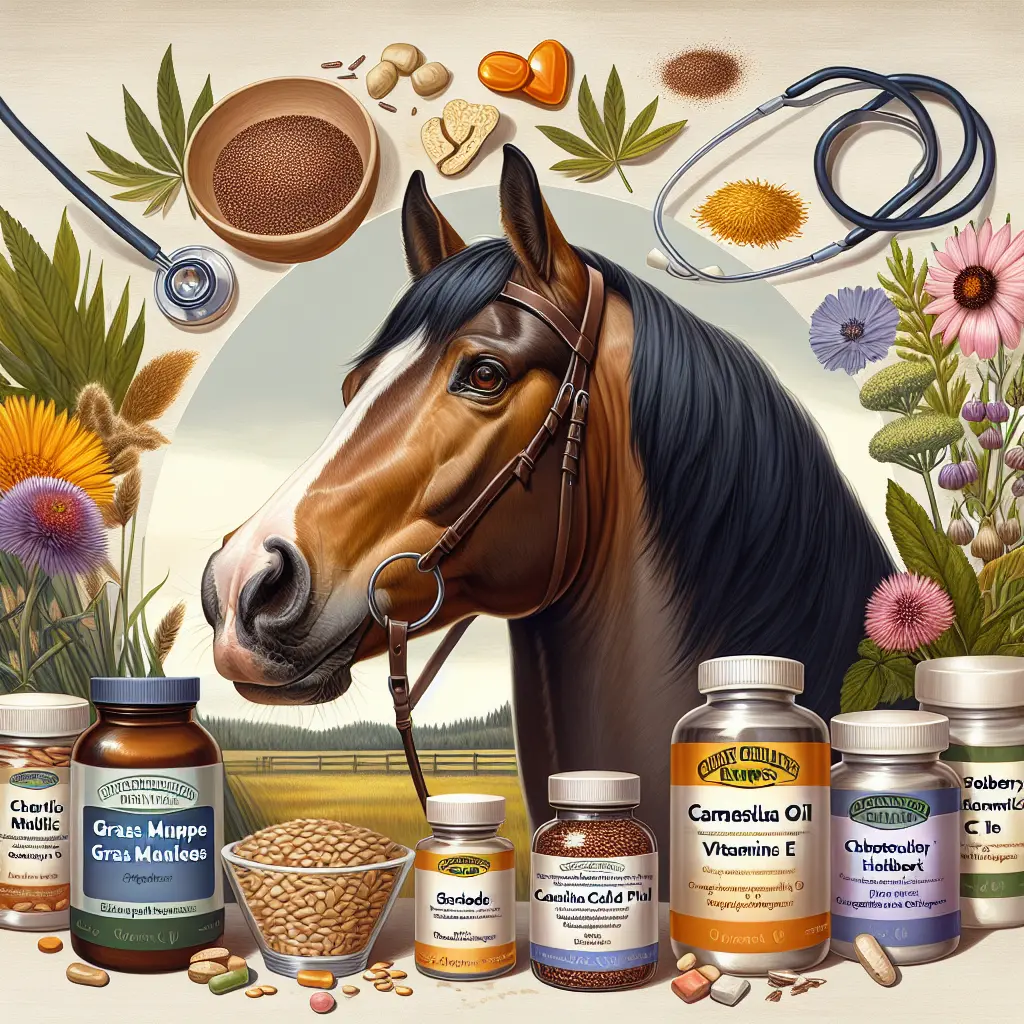
Grass glands refer to the swelling of the parotid salivary glands in horses, appearing as soft lumps near the jawline. Typically, these are a result of allergic reactions to sugar-rich grass or pollen.
What Triggers Grass Glands?
This condition is predominantly triggered when horses graze on grass with a high-sugar content. The swollen glands, although not painful, can complicate eating and drinking habits.
Why Natural Supplements?
Many horse owners lean towards natural supplements to avoid harsh chemicals and ensure their horses remain healthy without adverse effects.
Top Natural Supplements for Grass Gland Management
1. Grass Mumps Plus – A Solution Straight from Nature
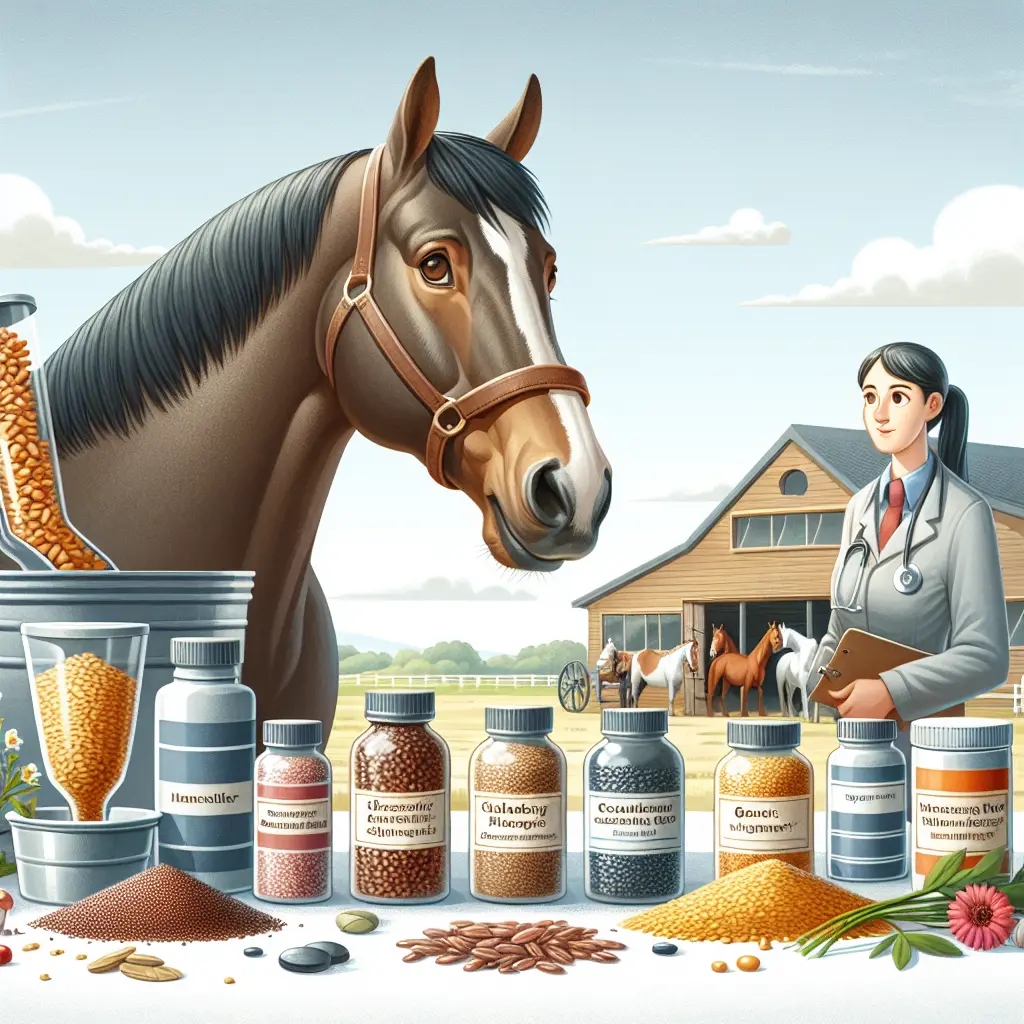
This targeted remedy is a natural supplement formulated specifically to reduce gland swelling. Grass Mumps Plus supports a normal immune response to allergens and is non-toxic. Horses in competitions can safely use it without concerns about side effects. Learn more about this amazing solution here.
2. Omega-3 Fatty Acids and Antioxidants
Inflammation-related allergic responses can worsen grass gland swellings. Supplements rich in omega-3 fatty acids and antioxidants help control these reactions. Known sources include Flaxseed oil and camelina oil.
- Omega-3 Benefits: With anti-inflammatory properties, they support equine health by maintaining immune balance.
- Antioxidant Support: Vitamins E and C, turmeric, and rosehips among others, combat oxidative stress.
3. Herbal Allies
Herbs like chasteberry can help harmonize immune responses:
- Chasteberry (Vitex agnus-castus): Known for its hormone-balancing properties, although it should be used cautiously.
- Other Herbs: Garlic, calendula, and hawthorn provide immune-boosting benefits.
4. Balanced Multivitamin and Probiotic Supplements
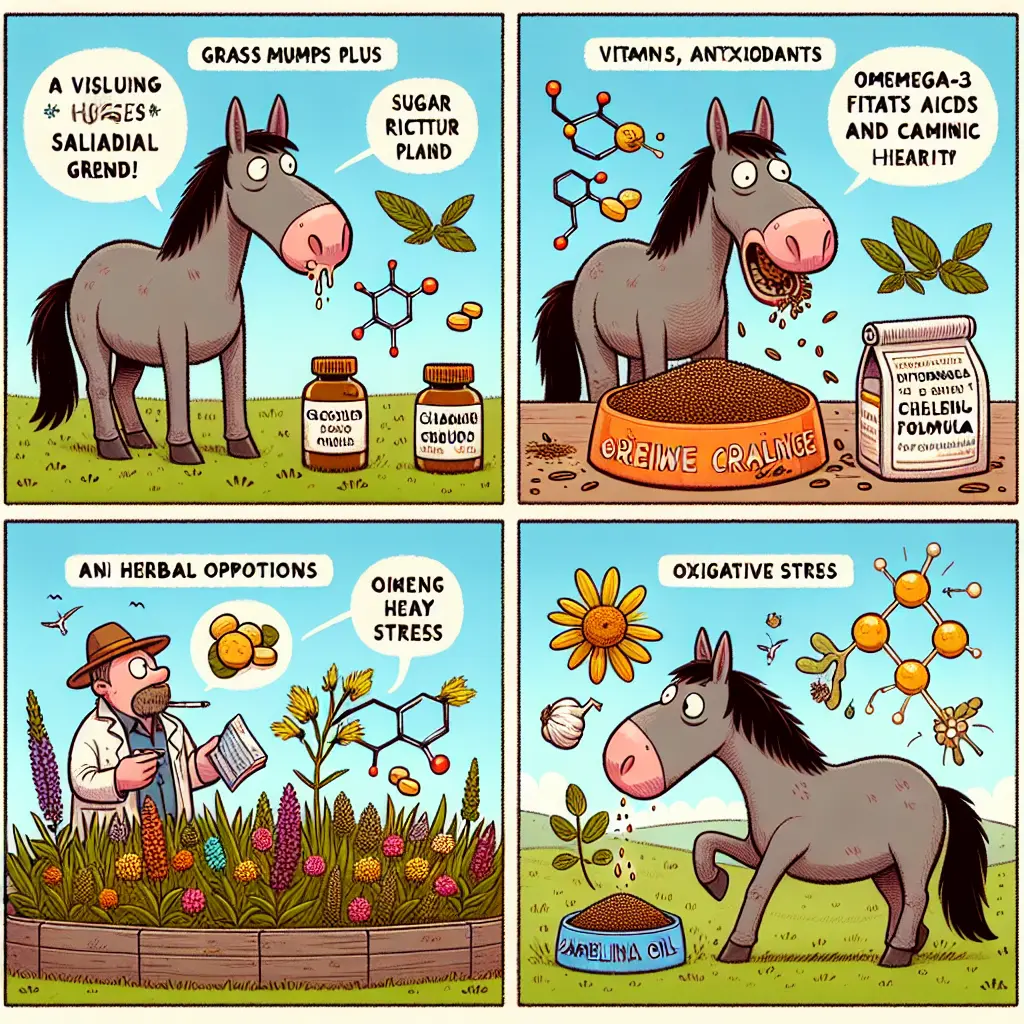
Feeding solely on rich pasture might lead to nutrient imbalances. Multi-nutrient supplements ensure that gut health and immunity remain optimal. Products like Equine Challenge™ Grass Formula, including milled flaxseed, aid in digestive strength and immune resilience.
For more equine health support, check out our Jodhpur Collection.
Implementing Natural Supplement Regimens
Best Practices
For successful supplement strategies:
- Start Early: At the first sign of swelling, start natural supplements to alleviate the symptoms.
- Consistent Dosing: Regular dosing as prescribed ensures the best results.
- Vet Consultation: Always consult with a veterinarian before introducing new supplements.
Adjustments and Maintenance
Adjust dosages gradually as the symptoms resolve. A maintenance dose often supports long-term gland health.
Complement their diet with products from our Horse Treats And Gifts collection!
Additional Measures for Horse Health
Diet and Environment
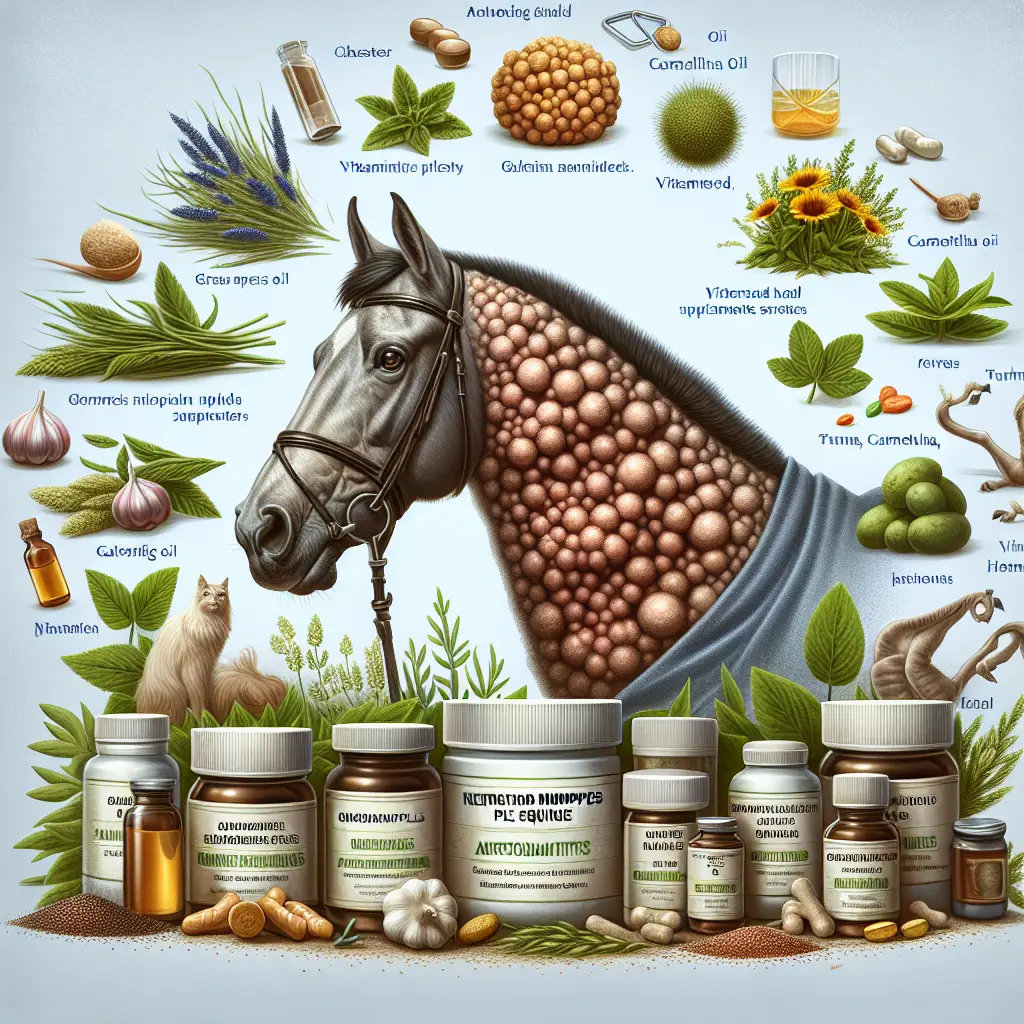
Managing feed quality by controlling sugar intake can curb gland swelling. Opt for low-sugar grains or hay.
Reducing Stress
Encouraging a stress-free, peaceful pasture setting promotes better immune function, reducing the likelihood of allergic reactions. Ensure your horse stays comfortable with a quality Stable Rug.
Dental Care Importance
Regular dental check-ups help solve potential chewing issues, thereby ensuring that the horse's diet does not exacerbate gland problems. Ensure they are well-protected with Horse Fly Protection.
Conclusion
Addressing grass glands through natural supplements not only ensures the well-being of your horse but also fortifies their overall health. By incorporating solutions like Grass Mumps Plus and omega-rich diets, and following practical care tips, horses can enjoy healthy grazing seasons. Always blend comprehensive vet care with the holistic approach for optimal results.
For the best in equine care and equipment, visit Just Horse Riders.