Scanning yard adverts and doing viewings can feel exciting and overwhelming in equal measure. Whether you’re relocating to South Yorkshire’s S36 area or weighing up DIY options closer to home, the right yard will make everyday care easier, safer, and more enjoyable for you and your horse.
Key takeaway: A good DIY yard gives your horse consistent turnout, safe stabling and fencing, reliable water and forage, and a supportive, well-run environment you can trust.
What a good DIY yard looks like
A good DIY yard prioritises daily turnout, safe facilities, dependable routines, and clear communication. If a yard can deliver those four things, you’ll enjoy stress-free horse care year-round.
When you visit, look for calm horses, tidy storage, secure fencing and gates, and a simple, posted routine (turnout times, hay deliveries, muck heap location, arena booking). Ask about turnout through winter, water sources that don’t freeze easily, and how the yard manager handles emergencies. A quick walk around will tell you a lot: sound surfaces underfoot, clutter-free yard lanes, clean troughs, and fields that aren’t ankle-deep in poached mud all signal good management.
Quick tip: Before you book a viewing, message the yard with three questions — “How is turnout managed in winter?”, “Who covers in an emergency?”, and “What are the non-negotiable yard rules?” If the answers are clear and consistent, it’s worth your time to visit.
Turnout and grazing: how much and how to manage it
Your horse should have regular, predictable turnout with safe, well-fenced grazing and a workable plan for wet weather. Turnout supports digestive, respiratory, and mental health, and reduces the risk of stable vices.
Ask how fields are rotated, how resting paddocks recover, and what happens in prolonged wet spells. Check the fencing material, visibility, and repair standard; walk a perimeter to spot hazards, steep hollows, or rabbit holes. If your horse can’t be in a herd, ask about individual turnout options and safe separation (e.g., double-fenced lanes) so horses can socialise across a fence without risk of injury. For good-doers, find out whether the yard can accommodate track systems, grazing muzzles, or restricted grazing to help manage weight during flush grass.
Summer comfort matters too. Natural shelter, hedges, and thoughtful field orientation help with shade and fly control. If midges are relentless, ensure there is a breezy alternative paddock, and plan your kit: a breathable fly sheet from our fly rugs collection and regular grooming help keep skin healthy outdoors.
Stables and shelter: safe, comfortable, and practical
A safe stable allows your horse to turn, lie flat, and stand without risk, with good airflow, secure doors and partitions, and grippy, well-draining surfaces. Comfort and safety go hand in hand here.
Inspect doors, bolts, grills, and partitions for protrusions or gaps. Ventilation should feel fresh without being a draught; ammonia odour suggests poor bedding hygiene or ventilation. Floors should drain or be easily kept dry with mats and bedding. Check lighting (including winter evenings), water access (automatic drinkers or buckets), and mucking-out logistics (wheelbarrow access, tools, and muck heap placement). If the yard offers shelters instead of stables for some horses, look for solid construction, safe headroom, and secure footing where horses congregate.
For clipped or older horses, discuss rugging expectations and where rugs can dry safely. As the weather turns, a well-fitting stable layer from our stable rugs range and an appropriate outdoor layer from our turnout rugs collection keep temperature changes manageable between box and field.
Water, forage, and feeding routine
Reliable clean water, consistent forage, and a routine that suits your horse’s needs are essential on any DIY yard. Horses thrive on ad-lib access to forage and fresh water with minimal gaps between feeds.
Ask how water is supplied to stables and fields, how often troughs are cleaned, and what the yard’s plan is when pipes freeze. Forage quality should be clean, sweet-smelling, and dust-managed where needed. If haylage or specific hay bales are your preference, confirm storage space and delivery options. Agree when and where you can soak or steam hay if that’s part of your routine.
If your horse has specific dietary needs, check feed storage rules, rodent control, and whether there’s a shared feed prep area. Supplements can help fill nutritional gaps — our curated supplements & horse care collection includes trusted options for joints, hooves, digestion, and calmer routines. Establish clear responsibilities for morning/evening feeds if you’ll share chores with other liveries, and write it down — fridge whiteboards, WhatsApp notes, or a simple rota prevent mistakes.
Pro tip: Take a photo inventory of your feed bins, labels, and scoop sizes on move-in day. It makes cover and holiday handovers painless and consistent.
Yard safety, access, and hacking considerations
Safe yards have clear yard rules, tidy storage, good underfoot surfaces, visible exits, and secure parking and access. Hacking is a bonus, but getting on and off the yard safely is non-negotiable.
Slip-resistant surfaces, tidy hose reels, safe tie-up rings, and well-marked fire points reduce everyday risk. Check for first-aid kits (equine and human), a displayed emergency contact list, and safe storage of sharps. Parking should allow trailers and lorries to turn without squeezing past tied horses. If the yard is near busy roads, ask about safe hacking routes and where hi-vis is expected — it should be every ride, every time. Our rider hi-vis collection has year-round options for roads and bridleways, and pairing them with a properly fitted riding helmet and supportive riding boots completes a sensible safety set-up.
If there’s an arena, ask about surface maintenance, drainage, lighting, and booking. Walk the perimeter and inspect gates and latches. For jump storage, check that poles and wings are stacked safely, out of wind corridors where they can blow over. If the yard has cross-country schooling or farm tracks, confirm any seasonal restrictions and etiquette for sharing space with other liveries.
People, contracts, and communication on DIY
Clear contracts, transparent services, and a respectful yard culture make DIY viable long term. You should know who’s in charge, what’s included, and how decisions are made.
Ask for a written livery agreement setting out notice periods, services offered (field checks, turnout/bring-in packages, holiday cover), and any penalties for late payments or rule breaches. Enquire how medical issues are handled — which vet and farrier the yard recommends, where a horse can be safely isolated, and who is authorised to call a professional if you’re unreachable. UK-wide, reputable yards tend to align with welfare guidance from organisations such as the British Horse Society and veterinary bodies; look for signs of that ethos in everyday routines and record-keeping.
Culture matters. Observe how liveries speak to each other, and how the yard manager responds to questions. Is there a rota or WhatsApp group? Are boundaries clear around parking, dog control, and arena etiquette? At Just Horse Riders, we recommend you view a yard at peak time — a winter late afternoon or a busy weekend morning — to see real-life flow, queue etiquette at the hose, and how well the yard copes when everyone’s on the go.
Seasonal prep: winter, summer, and everything between
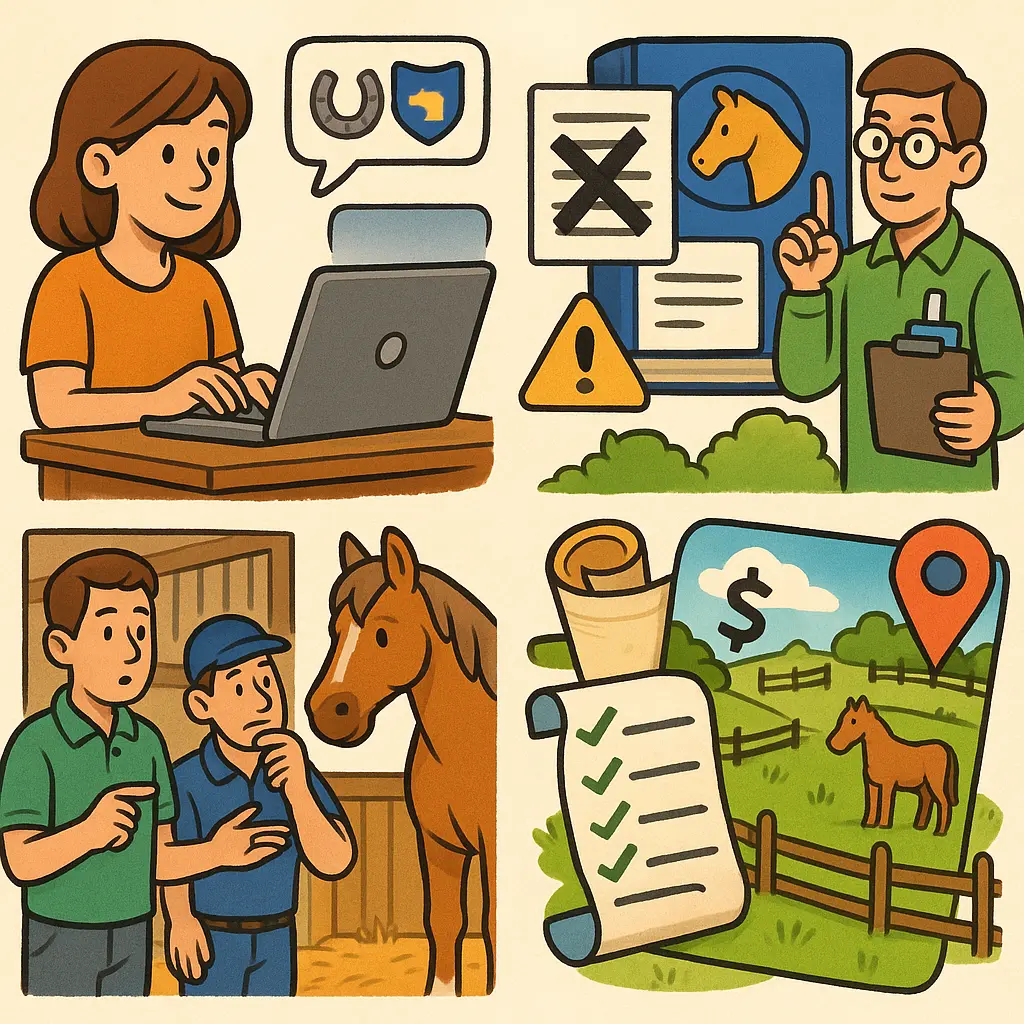
In the UK, winter brings mud and short days, and summer brings flies and flush grass; your yard should help you manage both. Plan a seasonal checklist so nothing catches you out.
Winter readiness means reliable turnout plans on wet days, grippy yard surfaces, and lighting for early feeds. Rugging should be practical, not a fashion contest: match layers to your horse’s clip, condition, and workload, and reassess daily. Our range of breathable, weatherproof options in the turnout rugs collection makes swapping weights straightforward as temperatures sway. For box rest or clipped horses, our stable rugs help maintain comfort overnight without over-heating.
Hooves and legs need extra care in mud. Daily picking out, gentle rinsing, and drying help prevent issues; for added protection during work, consider supportive boots from our horse boots and bandages range. Keep grooming kit to hand to manage coat changes and skin health; you’ll find yard-friendly essentials in our grooming collection, from sturdy brushes to mane and tail detanglers.
Summer comfort focuses on sun, fly control, and sensible grazing. Shade, breathable fly sheets from our fly rugs selection, and consistent application of repellents help. If your horse is a good-doer, discuss restricted grazing options, use of track systems, and turnout timing; dietary supplements that support hooves, skin, or digestion can be helpful alongside a balanced ration. And don’t forget you: longer hacks and competitions call for breathable jodhpurs and breeches and a cool, secure helmet that’s within date and correctly fitted.
Pro tip: Pack a seasonal “grab crate” in your tack room — spare headcollar and lead rope, hoof pick, bandage, fly spray, a small towel, high-visibility tabard, and a few healthy treats for positive reinforcement. When the weather turns or plans change, you’re still ready.
If you love coordinating your kit, premium brands offer robust, yard-proof choices: explore weather-ready rugs and accessories from WeatherBeeta, the dependable everyday value from Shires, and stylish performance pads and accessories from LeMieux. Our Secret Tack Room often carries seasonal bargains too — have a browse of the clearance collection before you move yards.
FAQs
How many hours of turnout should I look for on a DIY yard?
Look for regular, predictable daily turnout with a workable wet-weather plan. Turnout supports physical and mental health, so yards that maintain it year-round — even if for shorter periods in winter or on a sacrifice paddock — are typically best for welfare.
What fencing is safest for DIY turnout?
Well-maintained, horse-safe fencing that’s visible and free of protrusions is key. Avoid barbed wire, check posts for wobble, and ensure gates latch securely; double-fencing is wise where horses can’t mix but need neighbouring turnout.
What should be in a DIY livery contract?
A clear agreement should outline services included, yard rules, notice periods, payment details, what happens in emergencies, and responsibility for routine tasks. Ask how holiday cover works and how field checks are handled when you can’t attend.
How do I assess a stable without exact measurements?
Stand inside and ask: can your horse turn, lie out, and stand comfortably without risk, with good airflow and light? Check that doors, bolts, and partitions are safe; floors should be grippy and easy to keep dry.
What should I budget for rugs on a DIY yard?
Plan for a small, versatile rug wardrobe matched to your horse’s clip, condition, and turnout routine: at minimum, a waterproof turnout and a cosy stable layer if stabled. Choose quality, well-fitting designs from trusted ranges like our turnout rugs and stable rugs.
What rider kit is essential for winter DIY care?
Grippy, weatherproof boots, warm layers, hi-vis for dark hacks, and a correctly fitted helmet are non-negotiable. Explore supportive riding boots, year-round hi-vis gear, and up-to-date helmets to keep you safe and comfortable.
How do I handle flies and midges at a yard near water or woodland?
Ask about breezier alternative paddocks, provide shade, and use breathable fly sheets and regular repellent applications. Consistent grooming and a tidy yard help; our fly rugs collection and grooming range can make a big difference.
Choosing the right DIY yard is about blending practical facilities with a culture you trust. Do the walk-round, ask the right questions, and set up your kit for the season ahead. If you want personalised product advice for your move, our team at Just Horse Riders is always happy to help you build a smart, yard-ready list.