

How to Keep Your Young Horse Focused in a Distracting Environment
Training a young horse in a distracting environment can be challenging yet rewarding. Equipping your horse with the ability to stay focused amid distractions not only enhances its learning capabilities but also supports its long-term welfare and performance. In this article, we'll explore effective strategies to keep your young horse focused, offering practical tips and insights supported by scientific research.
Understanding the Challenges for Young Horses
Training young horses presents unique challenges. From unfamiliar sights and sounds to other animals and crowds, these distractions can hinder a horse's ability to concentrate. The following strategies will help you manage and alleviate these distractions.

Respect the Individual Pace of Learning
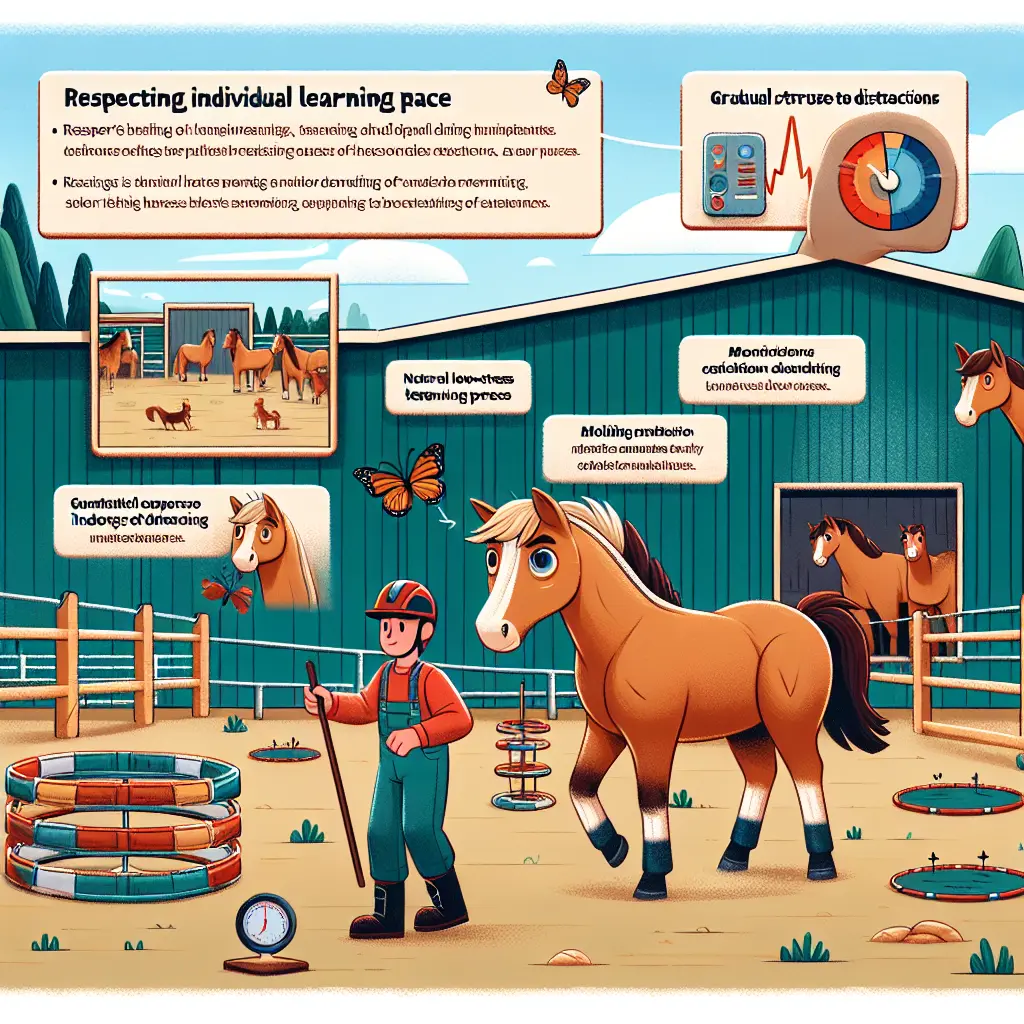
Your young horse is like a student who matures at its own pace. Forcing it through training too quickly can lead to stress, reducing its ability to focus. Instead, allow your horse to build confidence with short and consistent sessions. Studies show that spaced training sessions lead to better performance outcomes compared to intensive, massed training.
The Pressure and Release Technique
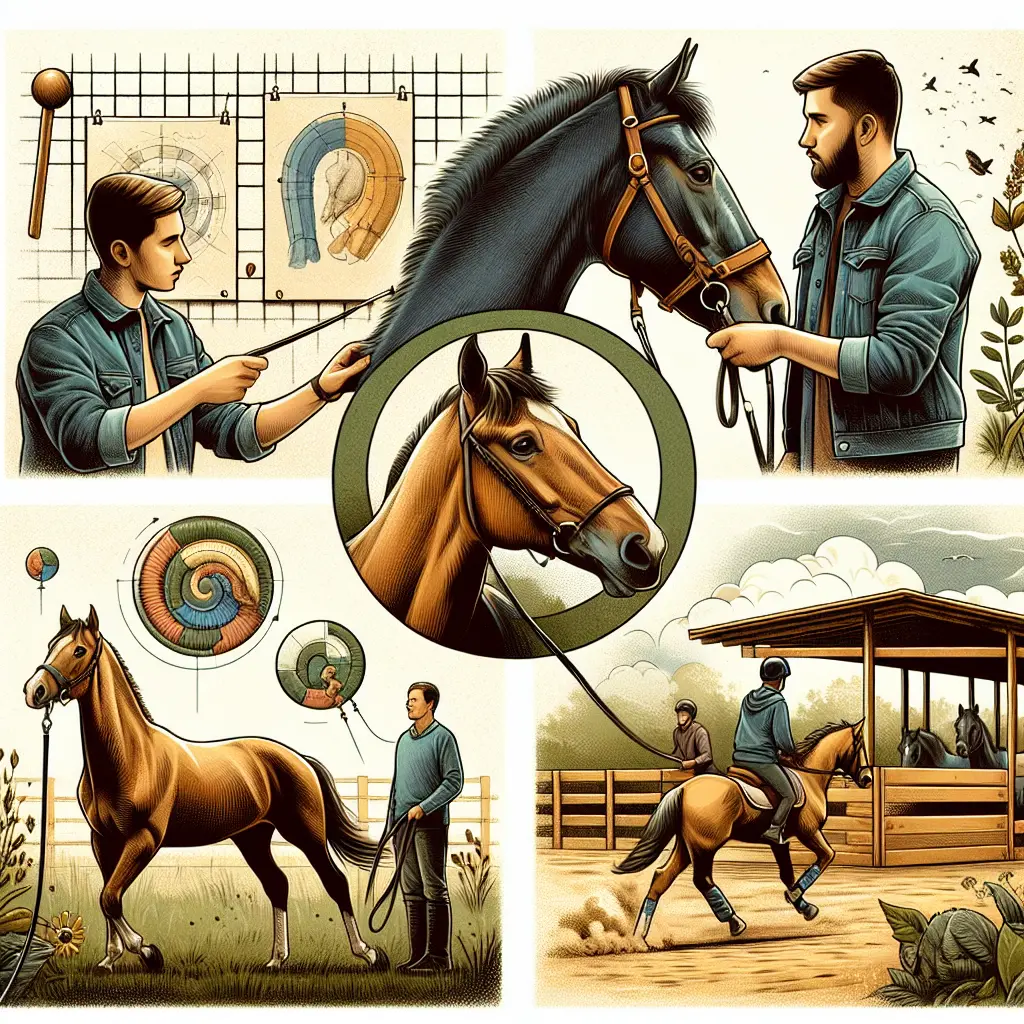
Teach your horse to respond to cues by using the pressure and release technique. Apply gentle pressure, and then release it once your horse gives the correct response. This fosters trust and helps it focus better in distracting environments. The NorCordia article further explains this method.

Implement Natural, Low-Stress Conditioning
Focusing on low-stress training methods such as groundwork in round pens can reduce stress, enhancing your horse's learning. Research indicates that avoiding mechanical methods and gradually introducing new objects helps young horses, particularly colts, adapt better to their environment with lower stress levels.
Gradual Exposure to Distracting Stimuli
Control the environment to gradually introduce distractions so your horse can process them without stress. This step-by-step approach provides time for your horse to habituate to stimuli, enhancing its ability to maintain focus rather than react nervously.
Monitoring Physiological Stress Indicators
Utilize heart rate monitors to assess when your horse is becoming overstressed. Signs like recovery time and heart rate variability indicate mental and physical stress levels. Adjusting training loads based on these indicators prevents fatigue and enhances sustained focus [source].
Building Emotional and Physical Fitness
Design training programs that concurrently build emotional and physical fitness by incorporating tailored exercises. This enhances your young horse's ability to perform under pressure, improving focus and stress responses. Regular, moderate exercise is key to fostering better concentration and stress management.
Avoid Overexertion and Overtraining
Young horses are particularly vulnerable to fatigue and mental burnout. Studies suggest that engaging in balanced training with short yet intense sessions helps improve bone strength and stamina while reducing unnecessary stress. For more guidance, check out our Jodhpur collection for suitable training attire.
Practical Tips for Maintaining Focus
- Start sessions with quiet groundwork to “warm up” focus.
- Reward calm behavior with treats from our Horse Treats And Gifts collection.
- Ensure clear and consistent communication to enhance cooperation.
Why Focus Matters
A young horse with good focus not only learns more rapidly but also develops safer habits. Proper management of distractions during training leads to long-term performance benefits and improves your horse’s overall well-being.
Conclusion
By embracing these evidence-based practices, you'll help your young horse navigate distracting environments with poise, setting it on a path towards success and happiness. Visit Just Horse Riders for all your equestrian needs, from horse supplements to riding boots, and start making strides in your horse's training journey today!