

Exploring Natural Solutions for Managing Equine Arthritis
Delve into the world of natural and holistic therapies for horses with arthritis, tapping into the benefits of non-pharmaceutical approaches to enhance joint health and overall equine well-being.
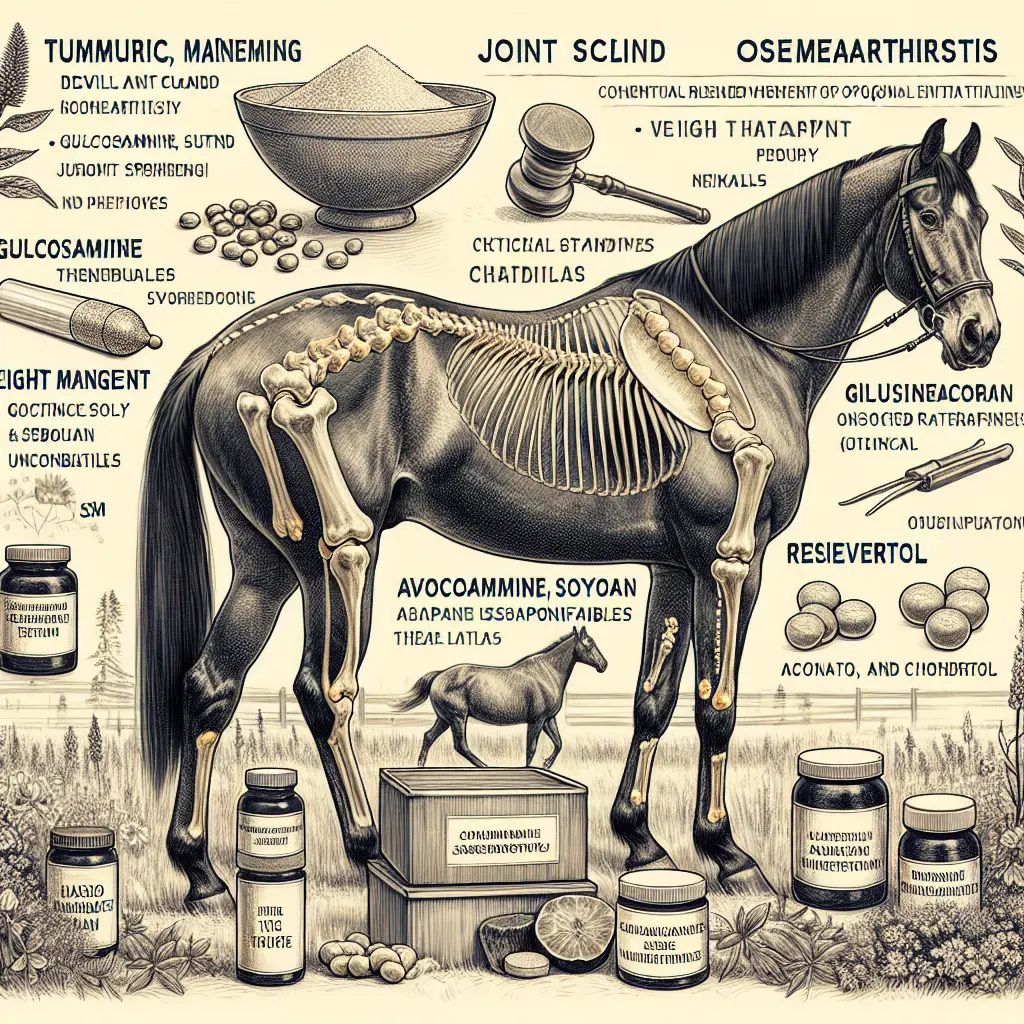
Understanding Equine Arthritis
Equine arthritis, most notably osteoarthritis (OA), is a prevalent degenerative joint condition characterized by inflammation, cartilage breakdown, and joint pain. This ailment frequently affects aging horses or those subjected to heavy workloads[1]. Symptoms include lameness, joint swelling, stiffness, reduced range of motion, warmth around joints, behavioral changes, and even audible joint sounds known as crepitus[5]. Identifying these symptoms early paves the way for effective management and a marked improvement in a horse's quality of life.
Limitations of Pharmaceutical Approaches
While pharmaceutical treatments like NSAIDs (non-steroidal anti-inflammatory drugs) effectively reduce pain and inflammation, they may come with side effects when used long-term and often fail to reverse joint damage[5]. Owing to these limitations, there is a rising interest in natural and complementary therapies as safer, long-term strategies for supporting joint health.
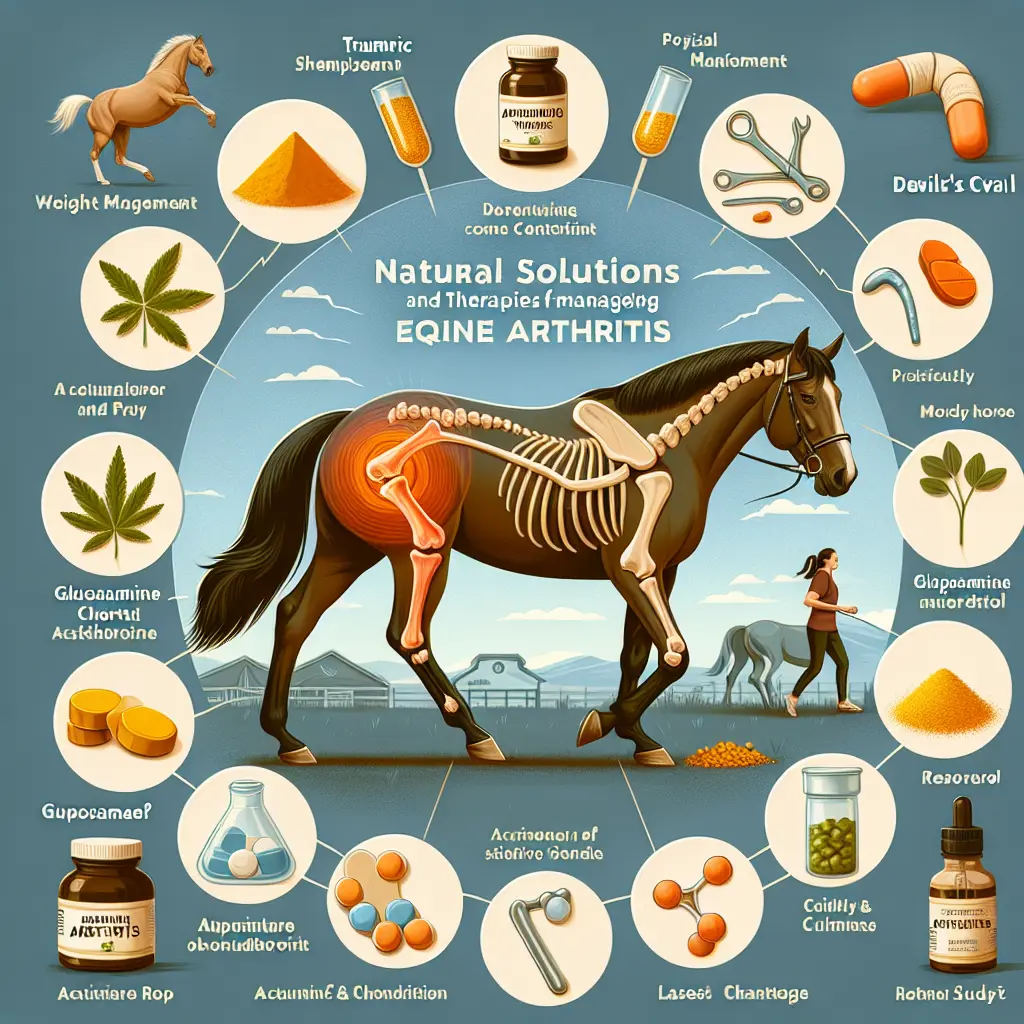
Natural Supplements and Herbal Remedies
Many horse owners turn to natural products to support joint health, though scientific evidence varies, and many products lack FDA regulation[3][4]. Let's take a closer look at a few key supplements with research-backed benefits:
Turmeric (Curcumin)
Turmeric is a potent natural anti-inflammatory known to alleviate joint pain and inflammation. Its effectiveness is enhanced when combined with black pepper, which aids absorption[3].
Devil’s Claw
Traditionally used for arthritis pain relief, Devil's Claw offers strong anti-inflammatory properties. However, caution is necessary as it may be banned by some equine sport organizations[3].
MSM (Methylsulfonylmethane)
MSM, a sulfur compound, helps reduce inflammation and improve joint flexibility. Research indicates that MSM has positive effects on joint support in horses[3].
Glucosamine and Chondroitin
These supplements are renowned for supporting cartilage repair and increasing joint elasticity, thus alleviating pain and stiffness in affected joints. Studies suggest their role in maintaining joint function and cartilage health[3].
Avocado/Soybean Unsaponifiables (ASU)
ASU extracts are believed to improve cartilage and joint membrane health, demonstrating minimal side effects in equine OA models, although their efficacy on lameness remains uncertain[4].
Resveratrol
Resveratrol, an antioxidant found in grapes and berries, shows promise in reducing joint inflammation and lameness in clinical equine studies. Despite its potential, careful dosing is crucial as higher doses may be harmful[4].

Holistic and Non-invasive Therapies
Beyond supplements, a holistic approach to managing equine arthritis may include:
Physical Therapy and Controlled Exercise
Maintaining mobility through regular, low-impact movement is crucial for preserving joint function, flexibility, and muscle strength, all essential components of effective arthritis management[5].
Weight Management
Preventing obesity in horses can significantly reduce the strain on joints and alleviate inflammation.
Diet
An anti-inflammatory diet rich in Omega-3 fatty acids derived from flaxseed or fish oil may help control systemic inflammation.
Alternative Therapies
New alternative therapies such as acupuncture, laser therapy, and cold laser treatments are gaining traction for pain relief and tissue healing. However, they require professional administration and collaboration with a veterinarian.
Scientific Evidence and Considerations
While many natural treatments are supported by traditional use and preliminary research, solid scientific backing is often limited by a lack of well-controlled studies in equines[3][4]. Nutraceutical supplements are widely used—with 84% of U.S. horse owners giving supplements to maintain joint health—but product quality varies substantially[4]. Independent analyses have demonstrated discrepancies in product labeling, emphasizing the importance of selecting reputable brands and consulting veterinarians.
Consult a Veterinarian
Natural and holistic therapies can complement but do not always replace conventional veterinary care. Individualized treatment plans should be developed with veterinary professionals who can integrate clinical evaluation, diagnostics, and monitoring to optimize a horse’s care.
Conclusion: Integrating Natural Strategies for Enhanced Well-being
Managing equine arthritis through natural and holistic approaches provides a wealth of alternatives that extend beyond conventional pharmaceuticals, emphasizing joint health, inflammation reduction, and overall horse welfare. By combining supplements with holistic therapies and professional guidance, horse owners can significantly enhance their horses' quality of life.
Curious about more ways to keep your equine partner comfortable and active? Explore our extensive range of horse riding apparel and accessories: