

Choosing the Best Clippers for Hairy Native Cobs: A Buyer's Guide
When it comes to maintaining the coat of a hairy native cob, selecting the right clippers becomes essential for achieving a clean, comfortable clip while ensuring the horse’s well-being. Native cobs are known for their thick, dense, and sometimes woolly coats, especially during the colder months, making clipping a challenging yet crucial task. Selecting clippers designed for this breed’s unique hair characteristics can make the job faster, easier, and much less stressful for both horse and groomer.
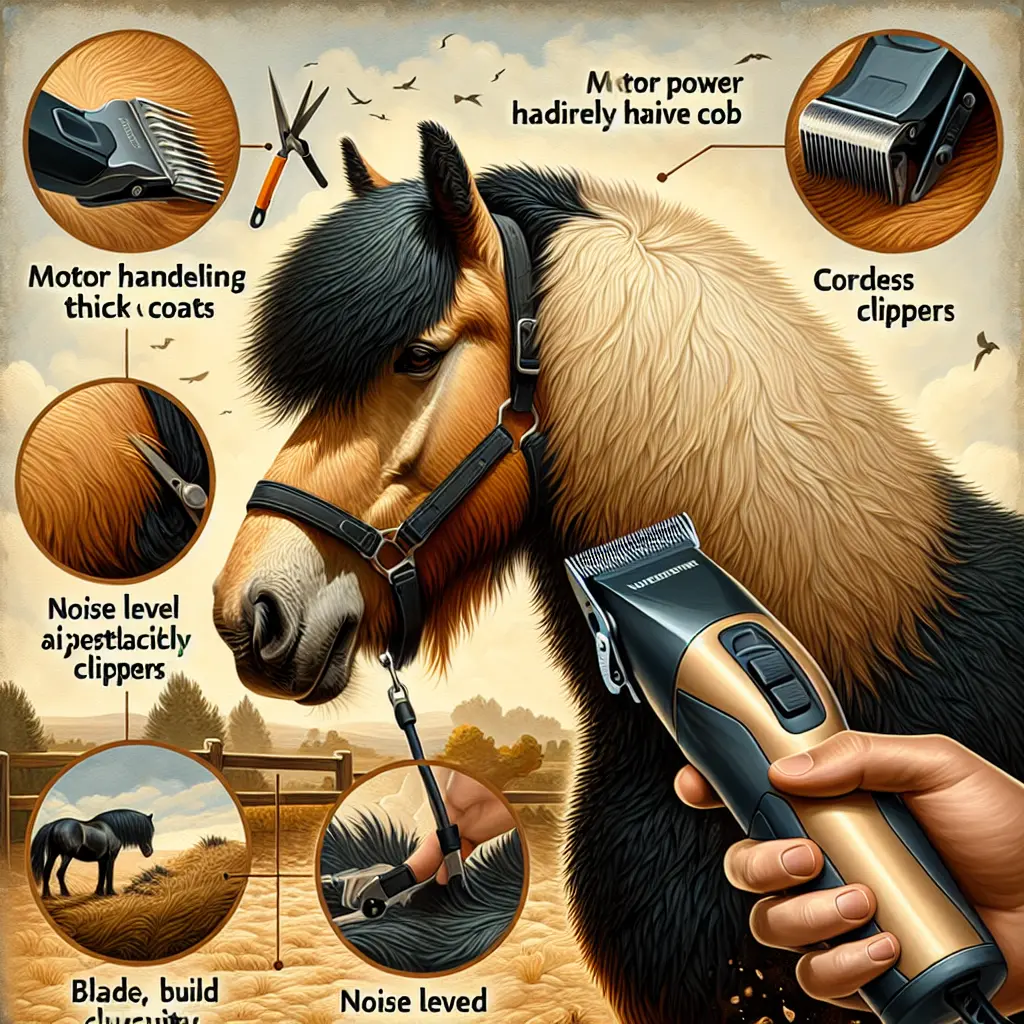
Understanding the Challenges of Clipping Hairy Native Cobs
Native cobs have thick feathering on their lower legs and a dense summer/winter coat that demands high-powered clipper performance. This dense hair can easily clog lower-powered trimmers and cause blades to overheat, frustrating both horse and handler. Horses can also be sensitive around their legs, especially if they have sore spots, so quieter clippers or beginning with trimmers set to a slower cut depth might be necessary [source].
The Ideal Clipper Should Be:
- Powerful enough to cut through thick, woolly coats and heavy feathering without bogging down or overheating.
- Durable and well made for regular use on hardy horses.
- Equipped with adjustable or multiple blade options to customize the finish on different parts of the horse’s body.
- Quiet enough to reduce anxiety in skittish horses, especially near sensitive legs.
- Preferably cordless for easier handling and to avoid tripping hazards during clipping.
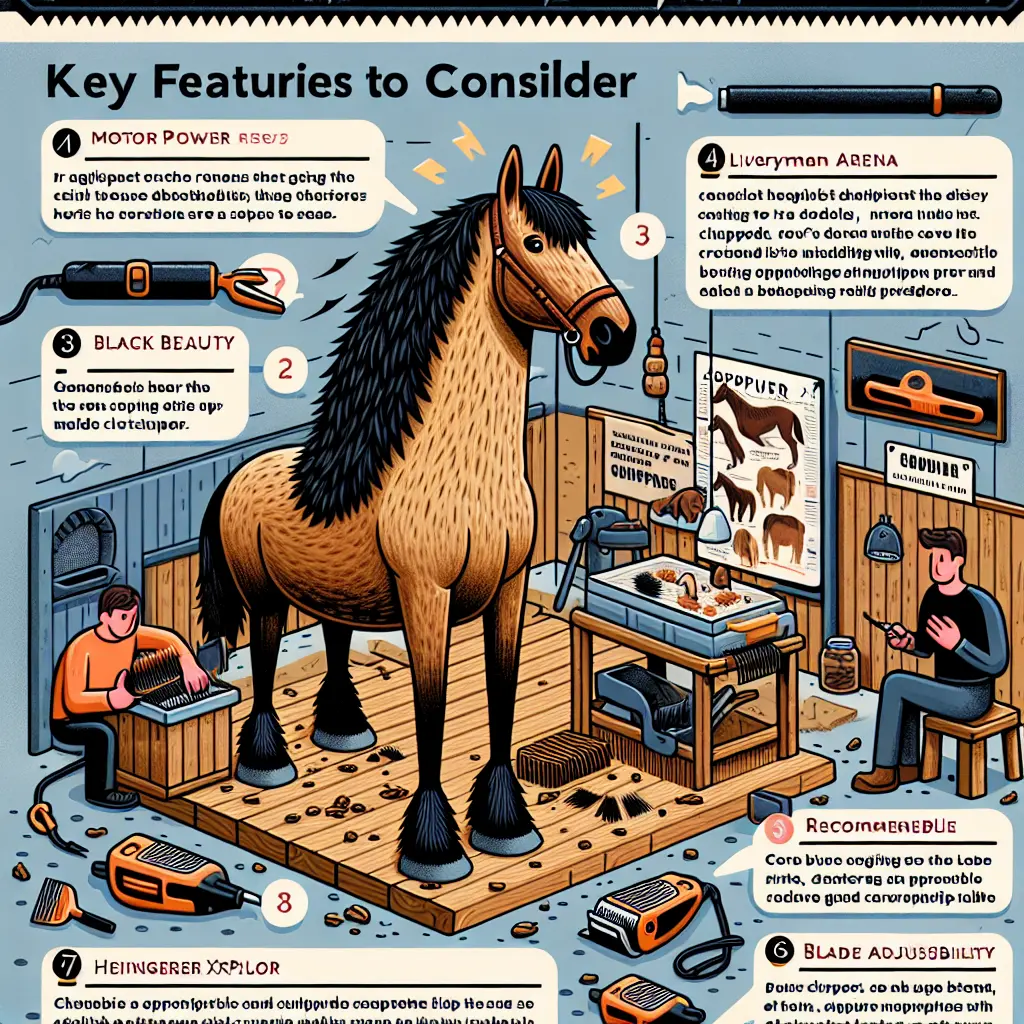
Key Features to Look for in Clippers for Native Cobs
| Feature | Why It Matters | Recommended Options & Notes |
|---|---|---|
| Motor Power | Thick coats need strong, reliable motors to prevent stalling | Liveryman Arena and Harmony models noted for power [source] |
| Corded vs. Cordless | Cordless offer maneuverability, but check battery life | Heiniger Xplorer (cordless, powerful but pricier), Liveryman Black Beauty with battery pack options [source] |
| Blade Type and Adjustability | Adjustable blades help manage thick coat and sensitive areas | Adjustable blades (e.g., Andis adjustable blades 00000-000) allow custom cut lengths [source]; finer blades give smooth finish on legs [source] |
| Noise Level | Horses can be sensitive to loud clippers, especially on legs | Liveryman Classic trimmers are quieter and have blade adjustments but may be slower; generally, quieter clippers reduce stress |
| Durability & Build Quality | Professional-grade clippers last longer with heavy use | Metal comb guides (e.g., Masterclip brand) more robust for repeated grooming |
| Ease of Use & Maintenance | Prefer clamps or blades that don’t require frequent tensioning | Some brands offer “no-tension” clippers; Heiniger models reputed for ease of maintenance [source] |
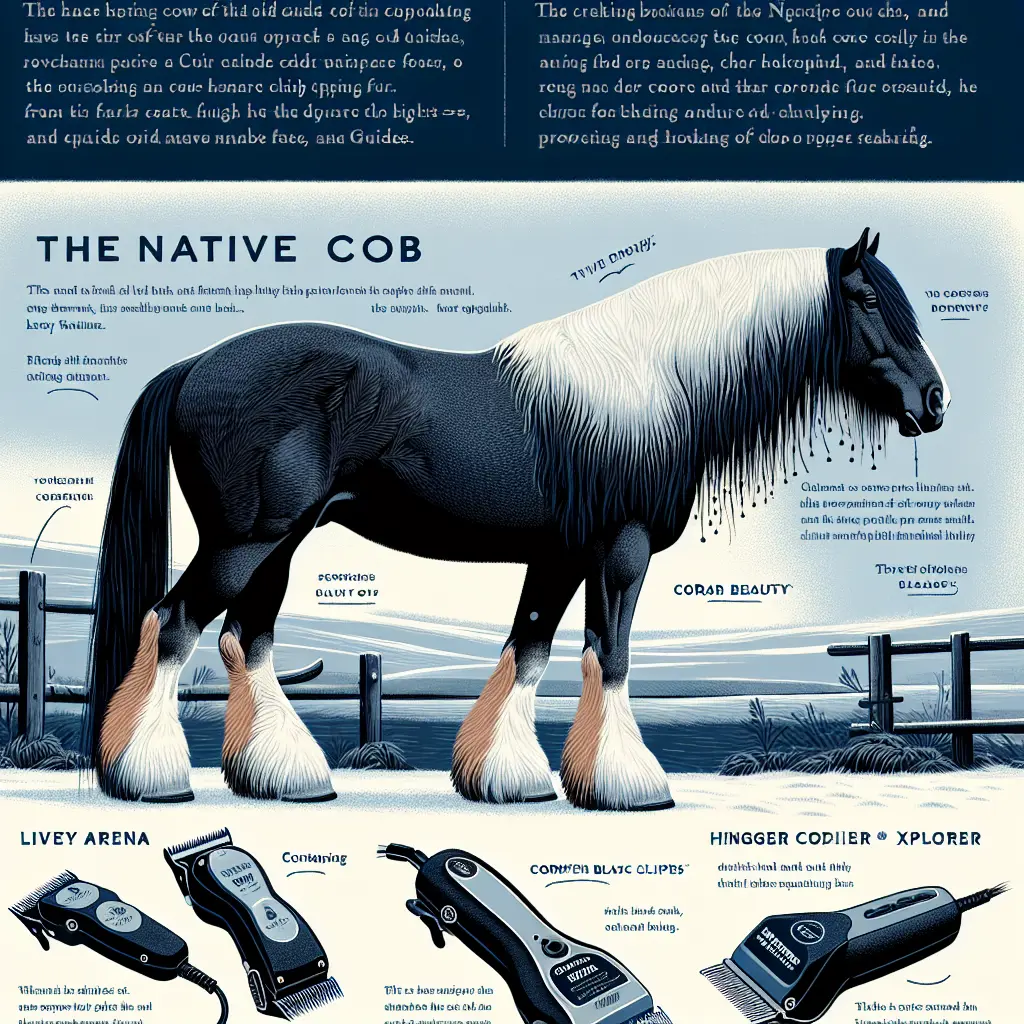
Recommended Clippers for Hairy Native Cobs
Liveryman Arena
This model offers high power suited for thick coats and is known to handle hairy native cobs well. Some owners mention noise but emphasize effective cutting. It is corded, powerful, and widely recommended for native breeds.
Liveryman Black Beauty
Available with a battery pack, making it nearly cordless, this clipper has a strong cutting ability, preferred for cobs by many experienced owners. It provides a good balance between power and portability.
Heiniger Xplorer
This cordless model is quieter than many other professional clippers, albeit at a higher cost. Its excellent build and power quality make it easy to handle for sensitive or frightened horses.
Andis Equine Clippers
With a range of adjustable blades for multiple cut lengths, these clippers are durable and reliable for livestock and horses. They predominantly come in corded options but are made to last.[source]
Practical Clipping Tips for Hairy Native Cobs
- Start with trimming rather than clipping if the horse’s legs are sensitive or sore. Use trimmers with adjustable blades set to around 2mm for gentle initial hair removal.
- Clip upward from the coronet band to get a smooth finish, especially on legs.
- Use coarse blades for initial heavy clipping, then follow up with finer blades to smooth out and maintain the legs, creating a neat summer coat look.
- Employ snap-on comb guides or metal comb guides to control cutting depth and prevent accidental nicks, especially helpful for beginners.
- Keep clippers clean and well-oiled to avoid overheating and dull blades struggling with thick coats.
- Plan clipping in stages over several days if the cob is nervous, to prevent stress and leg snatching during clipping.
Why Investing in Quality Clippers Matters
Opting for professional-grade clippers designed for heavy coats avoids the frustration of poor performance and potential stress on your horse. A good set of clippers can last years, thus saving time and money. Moreover, the right clippers minimize discomfort, reduce clipping time by functioning smoothly on thick hair, and help achieve a professional-looking finish that benefits your cob’s health and comfort.
Additional Resources & Where to Buy
- For detailed information on clipper blade options and care: Andis Large Animal Clippers.
- For trimmers suited to sensitive legs and feathering: Clippersharp Ltd’s detailed guide on clipping hairy legs and heels.
- For real-world user reviews and recommendations on clipper models for cobs: Horse and Hound Forums.
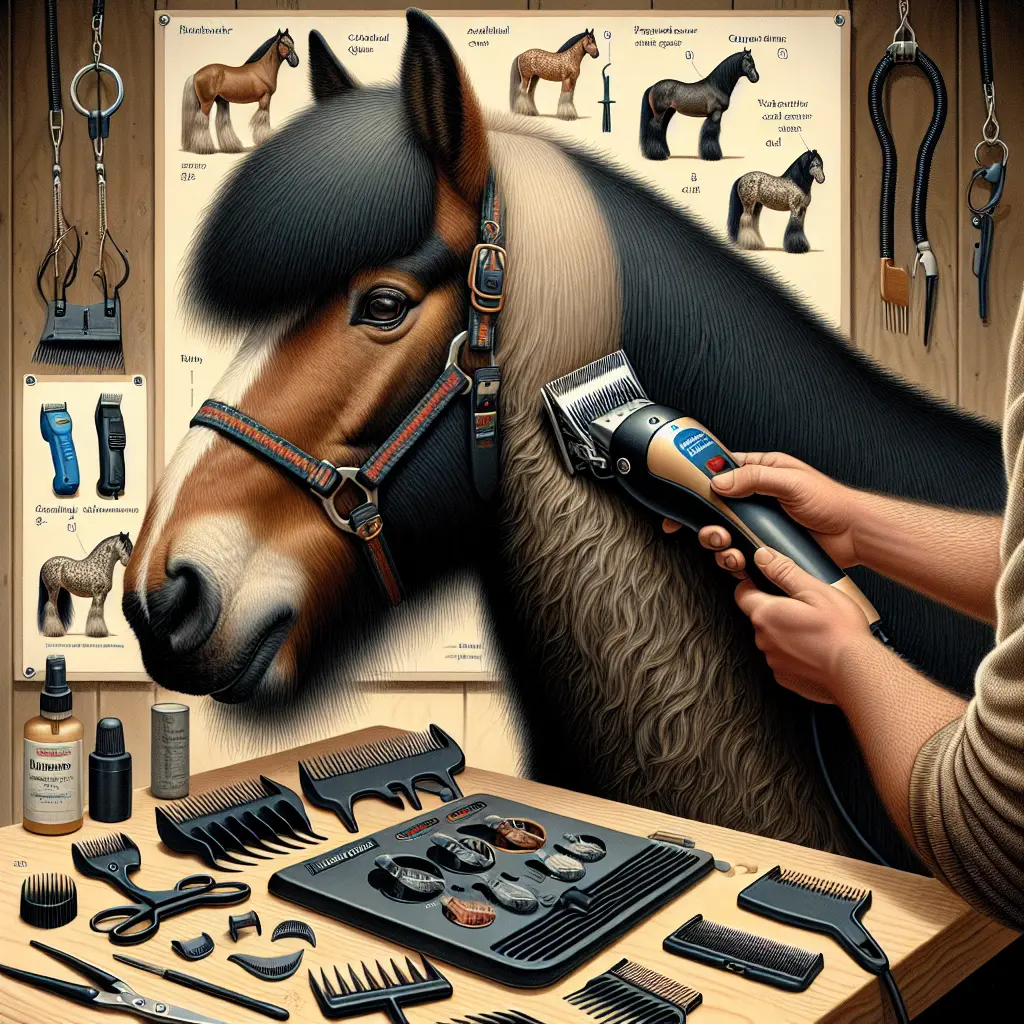
By carefully considering these aspects and selecting the right tool for your hairy native cob, clipping becomes a safer, more efficient, and more comfortable experience for both groomer and horse. Always prioritize power, blade adjustability, noise level, and durability to meet the unique needs of this charming and robust breed.
For additional accessories and protective wear, explore our Jodhpur Collection, Horse Riding Boot Collection, and Horse Riding Gloves Collection. Enhance the well-being of your horse with our Everyday Horse Vitamins & Supplements.
Explore further insights on stable management through proper Stable Rugs and Horse Fly Protection.