

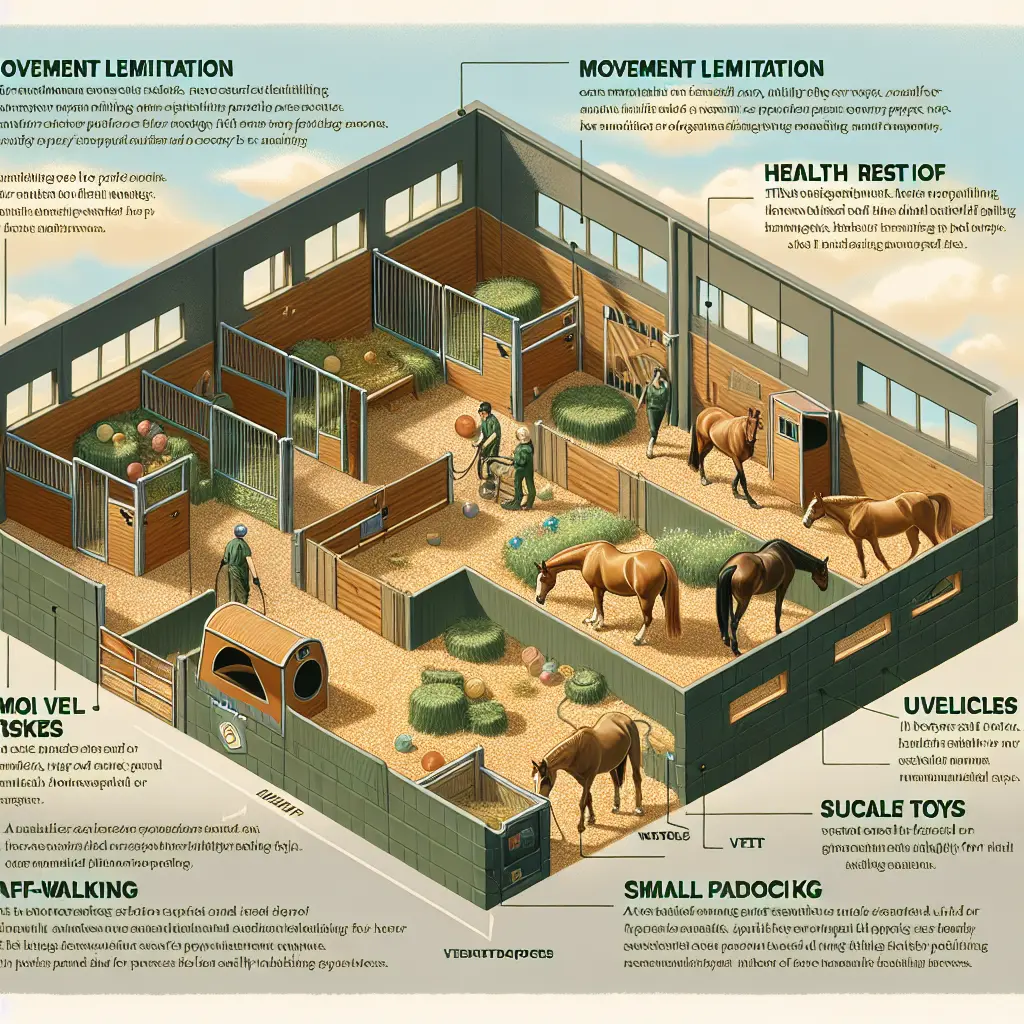
Box rest is often a necessary evil for horses recovering from injuries like laminitis or tendon issues. While crucial for healing, it stifles a horse's natural instincts to roam and graze, leading to boredom and stress which can manifest in undesirable behaviors. Have you ever caught your loyal steed weaving or crib-biting? You’re not alone!
Why Horses Experience Boredom During Box Rest
Just like humans dread monotonous routines, horses on box rest become bored. Unlike their natural habitat where they might travel 5 miles a day, stables can feel confining. This limited movement heightens stress and diminishes their health, potentially leading to conditions like ulcers or colic. In fact, studies indicate a threefold increase in colic risk during stall rest.
The Cost of Boredom
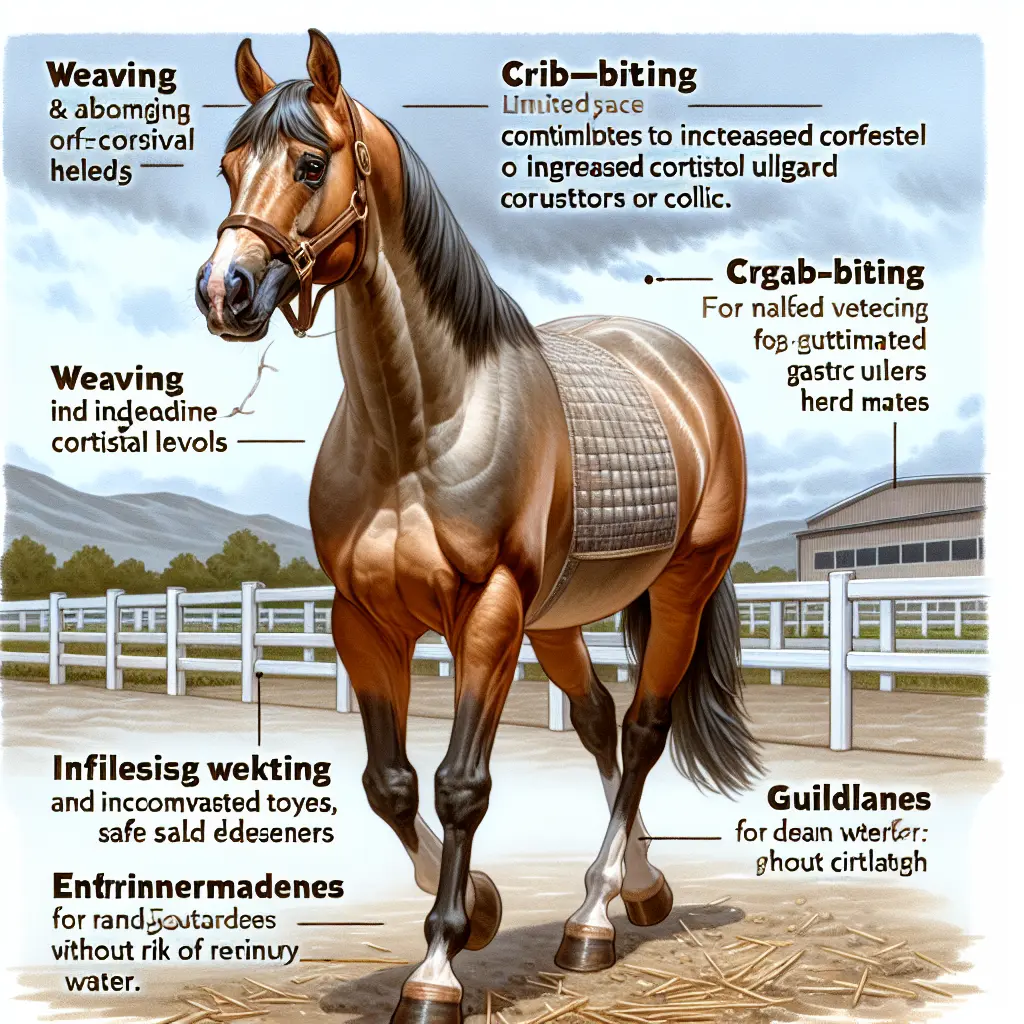
The social, intelligent nature of horses means they require mental stimulation. Deprived of this, stereotypies—a kind of repetitive behavior—can develop. Imagine having an itch you just can't scratch! It's noted that 20-30% of stabled horses exhibit these behaviors, a reflection of their plight.
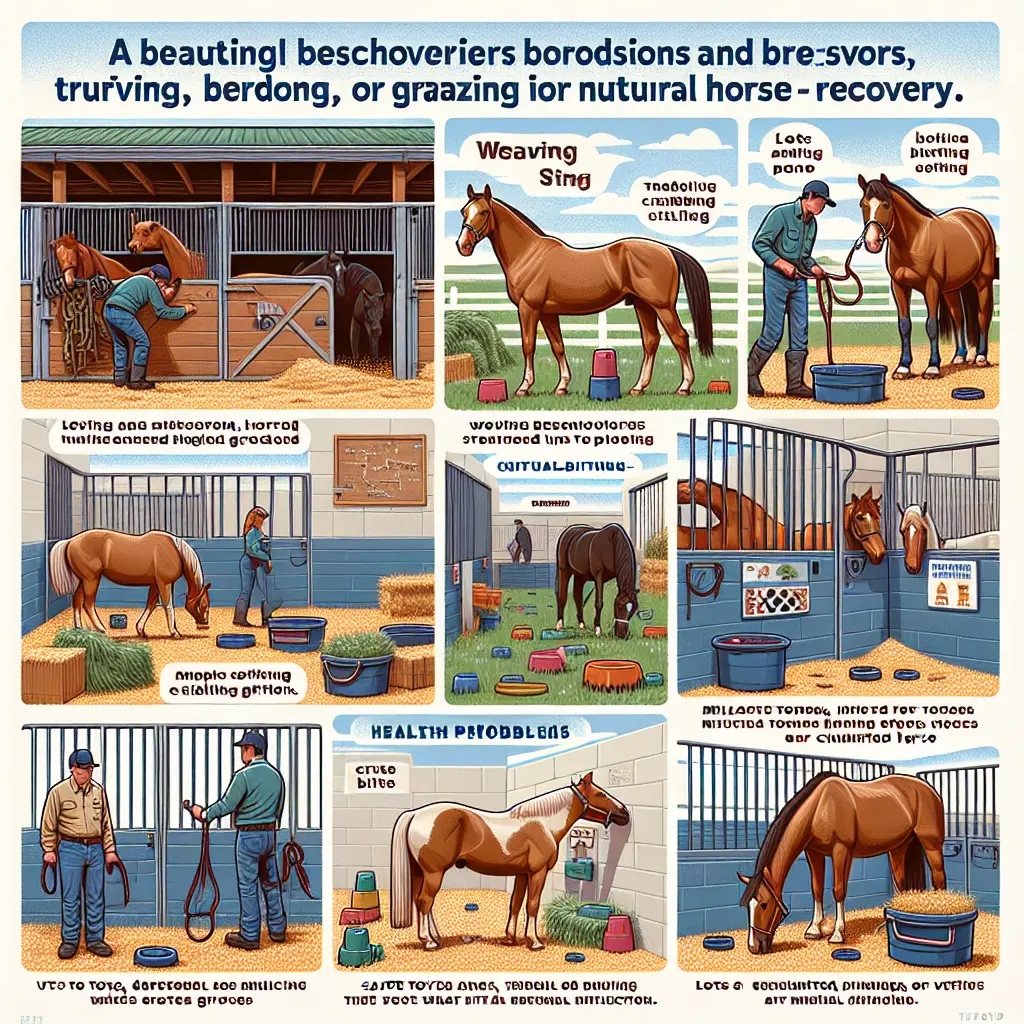
Older horses face higher stress levels due to reduced coping mechanisms. Even those who consume free-choice forage—over 15 lbs daily—can experience the negative impacts of boredom.
Strategies to Combat Horse Boredom
1. Mimicking Natural Foraging Behaviors
Equip your stable with multiple forage options by placing hay in various locations. This makes feeding more exciting—a treasure hunt for your horse!
2. Introducing Toys and Treats
Especially for younger horses, toys linked with food provide much-needed mental stimulation. Consider treat-dispensing balls or hanging a capless plastic jug on a rope!
3. Change the Scenery
Breaking up monotony is key. Simply moving your horse to a different stable or allowing supervised time in the yard can make a significant difference.
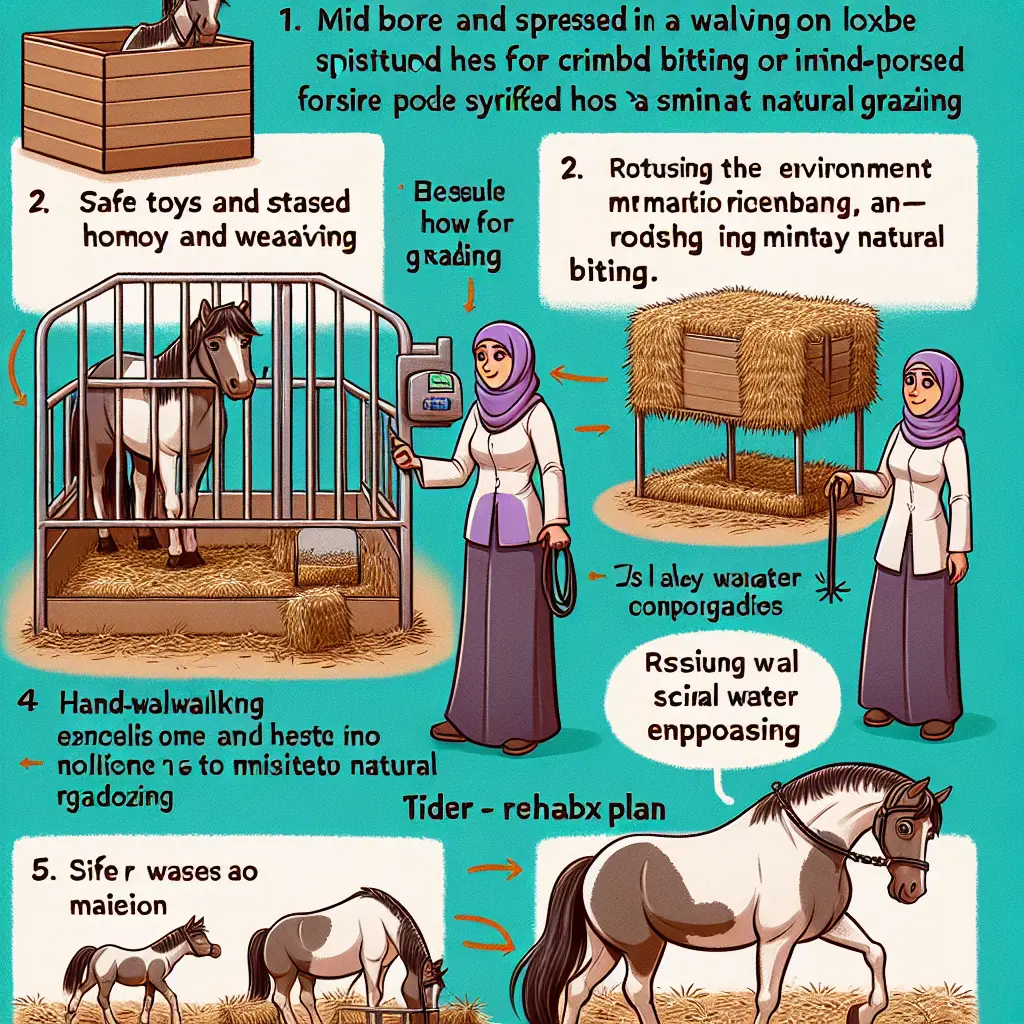
4. Encourage Social Interactions
Placing your horse next to its buddy can lower stress. A fenced companionship provides interaction without direct contact. This can reduce weaving behaviors by 30-50%.
5. Exercise and Stretching
If approved by your vet, incorporate daily hand-walking and stretching. This maintains muscle tone and provides limited exercise while reducing reinjury risks.
Handling Automatic Water Drinker Issues
Importance of Hydration
It’s crucial to maintain hydration during box rest. Dehydration can thicken intestinal contents and elevate the risk of colic threefold. Hooves and hydration go hand in hand.
Troubleshooting Water Issues
Automatic drinkers may malfunction, particularly in colder months. Here’s your checklist:
- Inspect the water flow several times daily.
- Insulate pipes to prevent freezing. Consider backup buckets as a workaround.
- If water intake reduces, add electrolytes—but consult your vet.
Final Thoughts on Managing Box Rest
When managed correctly, box rest doesn’t need to be stressful. By incorporating slow feeders, toys, social changes, and consistent water supply, your horse stands to benefit. Perhaps it’s also time to explore some equine supplements to support health during recovery.
Take a small step today, perhaps a new stable rug or a fly protection item, and watch as your horse begins to thrive once more.
Boredom busting isn’t an extravagance—it’s an essential investment in the well-being of your cherished companion!