

The Importance of Regular Fire Drills in Keeping Equestrian Facilities Safe
Equestrian facilities present a unique blend of beauty, majesty, and risk. These environments are rich in tradition and sport but can become hotbeds for potential disasters due to the combustible materials and unpredictable nature of horses. Let's delve into how regular fire drills can enhance safety and ensure a harmonious balance between humans, horses, and infrastructure.

Understanding Fire Risks in Equestrian Facilities
Equestrian facilities, whether stables or academies, are rife with fire hazards due to the abundance of flammable materials such as hay, straw, and wooden frameworks. Even minor incidents, like a sudden electrical fault, can quickly spiral into devastating fires. For example, a recent blaze in Tyne and Wear claimed the lives of five precious horses, underscoring the gravity of these risks.
Legal Requirements and Fire Safety
In England and Wales, specific regulations are in place to protect these vital equestrian assets. The Regulatory Reform (Fire Safety) Order 2005 mandates a fire risk assessment for all non-domestic premises, including stables. For facilities with five or more employees, this assessment must be documented formally, making fire drills not just a recommendation but a legal requirement (source).
Conducting Effective Fire Drills
Executing regular fire drills can be a life-saving practice. Here’s why:
1. Familiarity with Evacuation Routes
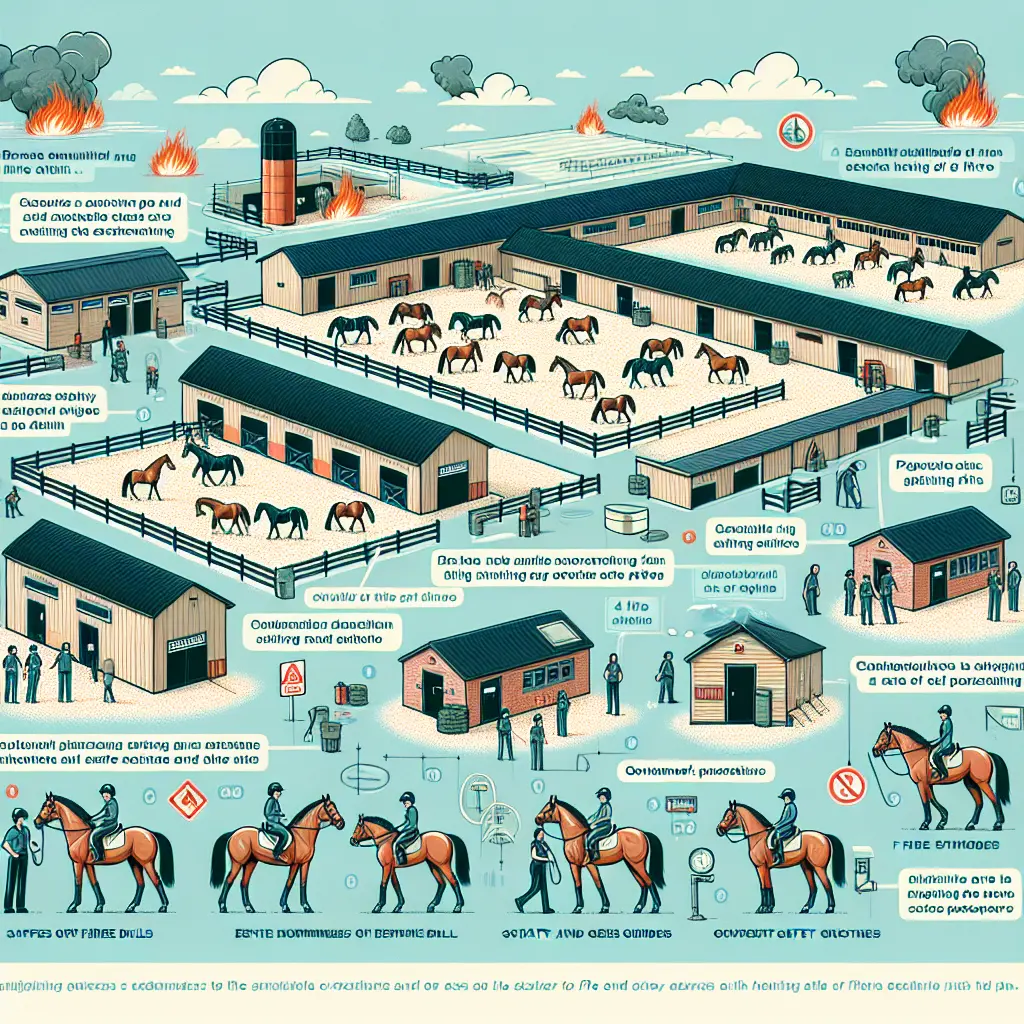
Repeated drills ensure that everyone knows evacuation routes by heart. This is crucial for equestrian facilities where horses need to be moved swiftly to safe zones.
2. Reducing Panic
Whether you're in a pair of jodhpurs or boots, drills alleviate stress by instilling confidence in all participants, ensuring humans and steeds alike remain calm.
3. Identifying Vulnerabilities
Drills can reveal flaws within an evacuation plan, providing the opportunity to fine-tune these strategies before an actual emergency emerges.
4. Training for Animal Evacuation
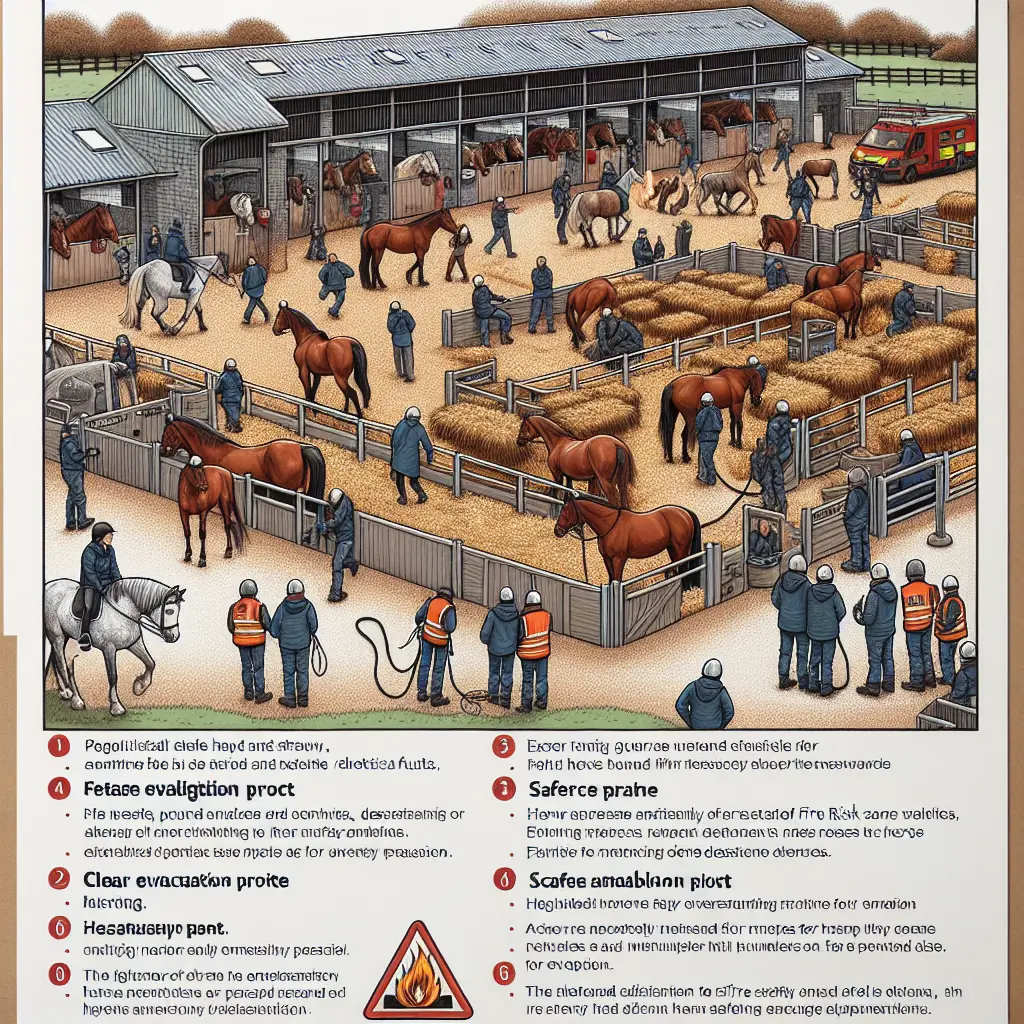
Extensive preparation on moving horses, potentially with turnout rugs, ensures they are guided to designated safe zones away from harm.
Practical Tips for Implementing Fire Drills
Develop a Comprehensive Evacuation Plan
Allocate safe assembly points and escape routes for humans and horses. Recognize and incorporate the horses’ specific behaviors into the evacuation strategy.

Conduct Regular Drills
Depending on changes in personnel or layout, schedule drills at least once a year, but more regularly if possible. These sessions ensure everyone, from seasoned trainers to volunteers, knows their role in an emergency, reducing confusion when action is imperative (source).
Involve All Staff and Volunteers
Everyone in the facility should participate in fire drills, creating a cohesive emergency response team that’s ready to act.
Review and Update Plans
Post-drill, analyze the effectiveness of plans and make necessary corrections. This ensures readiness for potential scenarios and improves future readiness.
Conclusion
Regular fire drills are essential for ensuring safety in equestrian settings, marrying regulatory compliance with practical safety measures. Proactively preparing stables and staff reduces fire-related risks, preserving both human life and equine companions. For more tips, browse our collection of gear and supplements, perfect for maintaining optimal training conditions year-round.
Remember, consistent preparation lays the foundation for effective emergency responses, safeguarding the lives of those who rely on us most. As you fortify your facilities with safety strategies, keep exploring everyday vitamins & supplements to enhance your equine care routine.