

Ensuring Comfort for Your Newly Purchased Horse
Purchasing a new horse can be a thrilling journey, but it also brings certain challenges, particularly when regarding the comfort and wellbeing of your new four-legged friend. Understanding the common causes of discomfort in new horses and implementing effective solutions can ensure a smooth transition for your equine companion.
Common Causes of Discomfort in Newly Purchased Horses
Musculoskeletal Issues and Pain

One significant cause of discomfort can stem from musculoskeletal issues. Problem areas may include kissing spines or bone cysts that often lead to lameness. These conditions can be alleviated by regular assessments from a veterinarian to ensure early detection and management.
Digestive Disorders and Colic
Newly acquired horses are particularly susceptible to digestive distress such as colic, often aggravated by changes in diet and transportation. Conditions like gastric ulceration or sand impaction are commonly cited issues. Using supplements like psyllium helps in managing these risks effectively.
Stress and Behavioral Factors
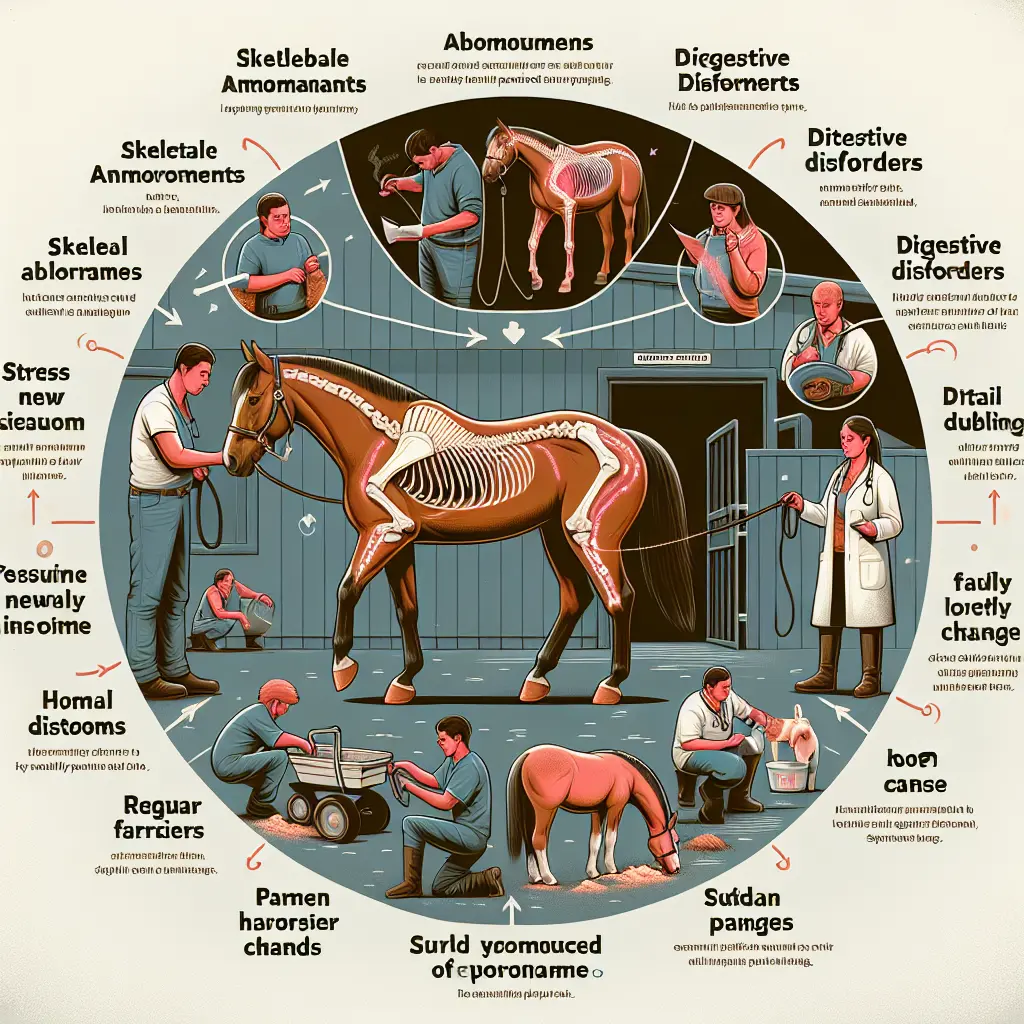
Relocation stress can alter a horse’s appetite and digestive health. stress can thin the gut lining and expose it to gastric acid, resulting in ulcers or colic. Changes in behavior often indicate discomfort, so monitoring and addressing these issues early can be beneficial.
Environmental and Management Changes
Adjustments to changes in forage and feeding routines are essential for new horses. Sudden shifts in diet can cause temporary discomfort like soft feces, which typically resolves as your horse acclimates. Pay careful attention to their hydration levels and dietary needs.
Effective Solutions to Address Discomfort
Pre-Purchase and Early Veterinary Exams

A thorough veterinary examination prior or just after purchase, including radiographs and lameness evaluations, can identify any underlying issues. Early intervention is key to preventing worsening conditions.
Dietary Management Adjustments
Introducing a gradual change in your horse’s diet reduces the likelihood of digestive upsets. Consider incorporating probiotics to maintain gut health.
Routine Deworming and Parasite Control
Implementing a vet-approved deworming program based on fecal egg counts can significantly lower discomfort arising from intestinal parasites.
Stress Reduction Techniques
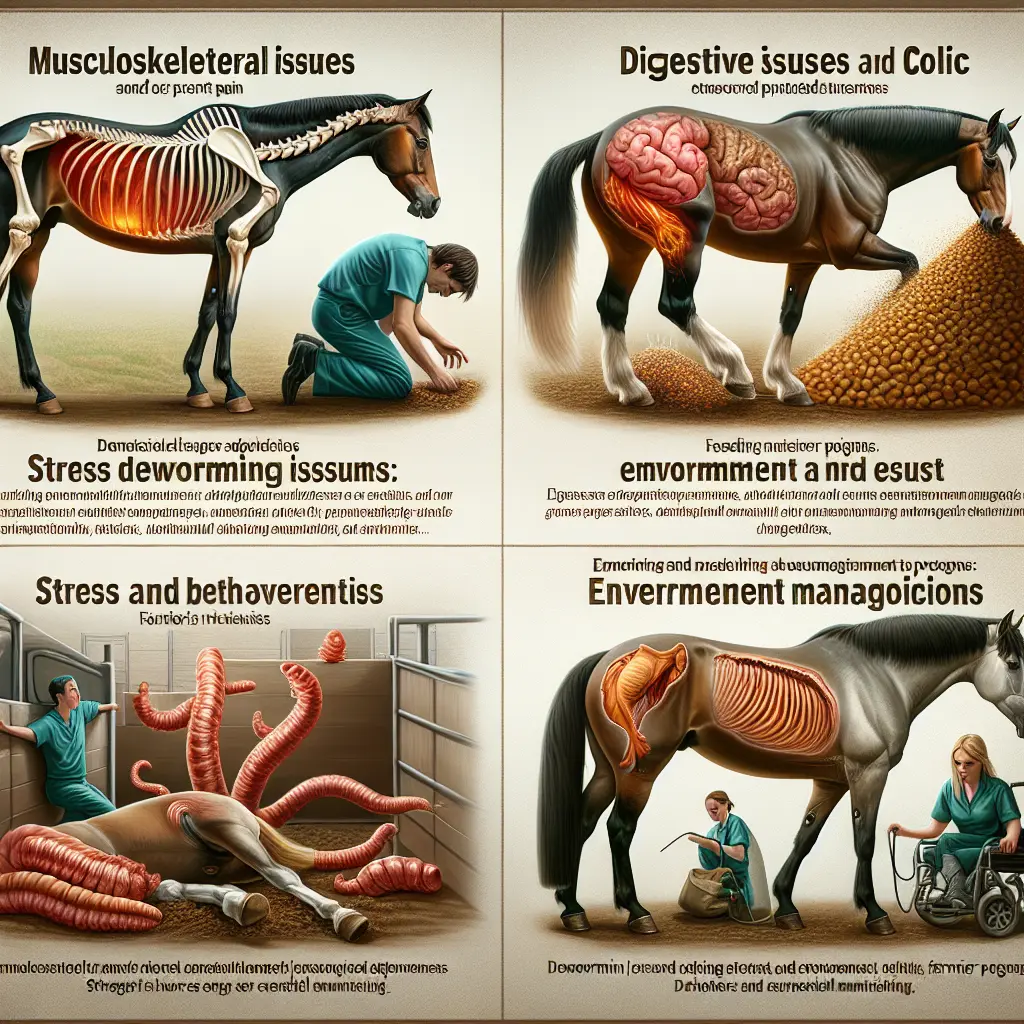
Maintaining consistency in routine and minimizing separation from other horses eases the adjustment period. Calming supplements can also assist in acclimating horses to new environments.
Farrier and Saddle Fit Care
Regular farrier visits and ensuring proper saddle fit are essential. These measures help relieve stress linked to musculoskeletal issues and prevent discomfort.
Close Monitoring After Purchase
Monitoring your horse closely post-purchase and consulting with a vet upon detection of any pain, colic, or behavioral changes ensures proactive health management.
Conclusion
Transitioning a horse into a new home can be challenging, but with the right preparations and care, it can be a rewarding experience. Thorough examinations and an understanding of potential discomfort causes facilitate smoother transitions. For continual care, explore collections like the Jodhpur Collection or Stable Rugs that cater to both rider and horse comfort from Just Horse Riders.