

DIY Hayfeeders: A Lifeline for Asthmatic Horses
For those caring for asthmatic horses, especially in equestrian settings, feeding strategies play a crucial role. DIY hayfeeders not only regulate hay consumption but also significantly reduce exposure to dust — a common trigger for respiratory issues.
Understanding the Natural Grazing Habits of Horses
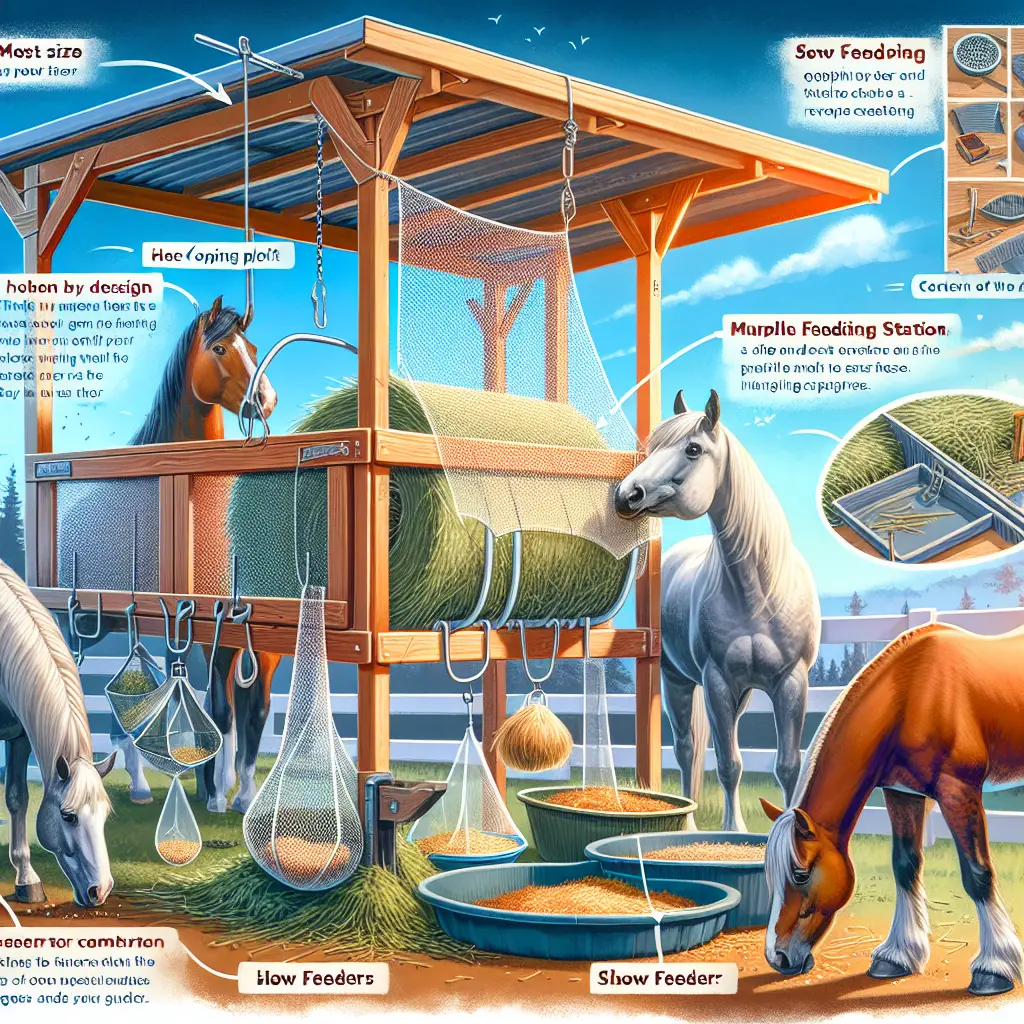
Horses are natural grazers, spending up to 16-20 hours grazing in the wild. Their digestive systems are designed to process food slowly over time. Hence, slow feeders mimic this natural grazing pattern, benefiting both their gut health and respiratory well-being.
Why Dust Control Matters
Dust control in feeder design is paramount for asthmatic horses. Inhaled allergens from dusty environments can worsen respiratory issues. Improving feeders to limit dust can enhance the quality of life for these equine companions.
Key Safety and Design Considerations
Mesh Size and Opening Design
Opt for slow feeders or hay nets with openings no larger than a horse’s hoof to prevent entanglement. This minimizes risks of a horse getting caught or injured during feeding. Avoid large holes that could pose entanglement risks.
Material Selection for Safety
Choose soft, durable materials for feeders to prevent dental issues. Using sharp or abrasive materials may result in injuries as horses feed or play.
Strategic Feeder Placement
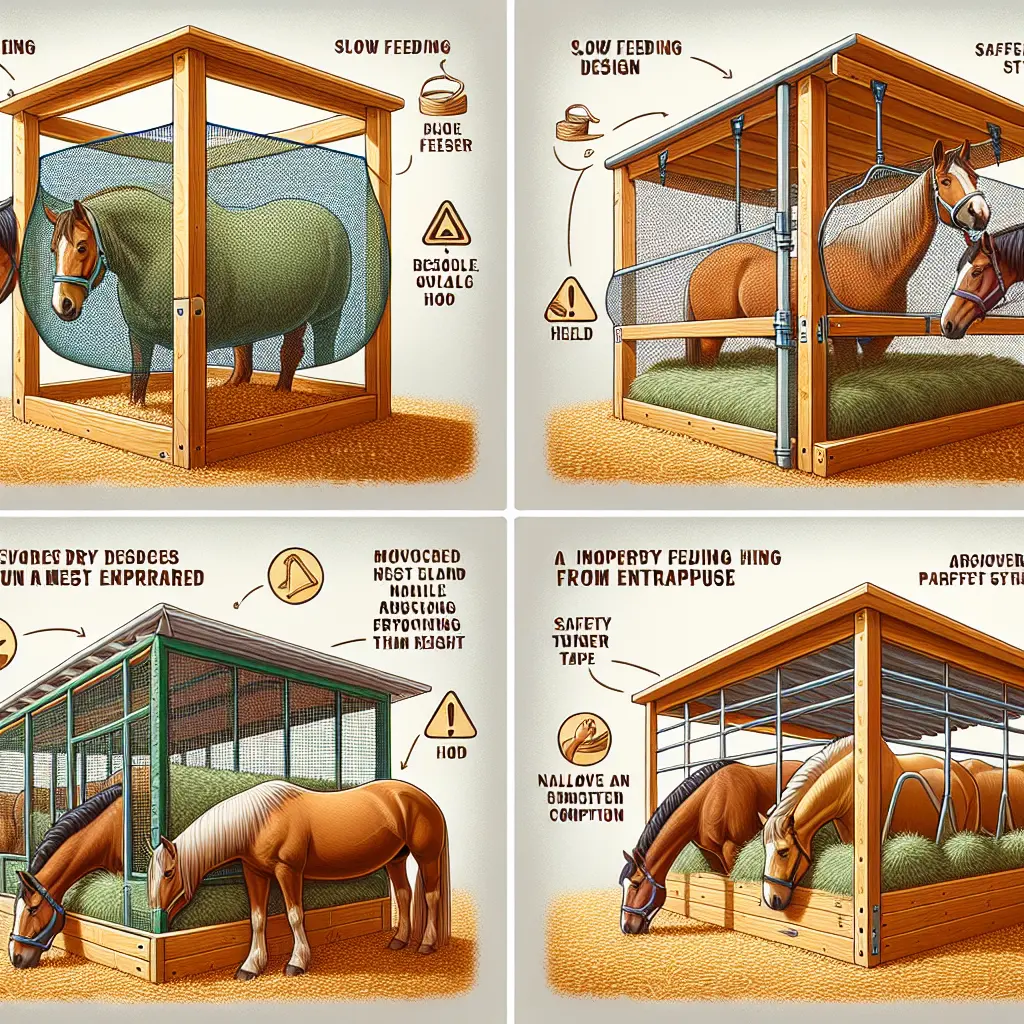
Securely hang hay nets or feeders without leaving slack. Position these at a height avoiding entrapment risks yet allowing normal feeding posture. Proper placement can greatly reduce potential harm.
Dry, Mold-Free Hay: A Must
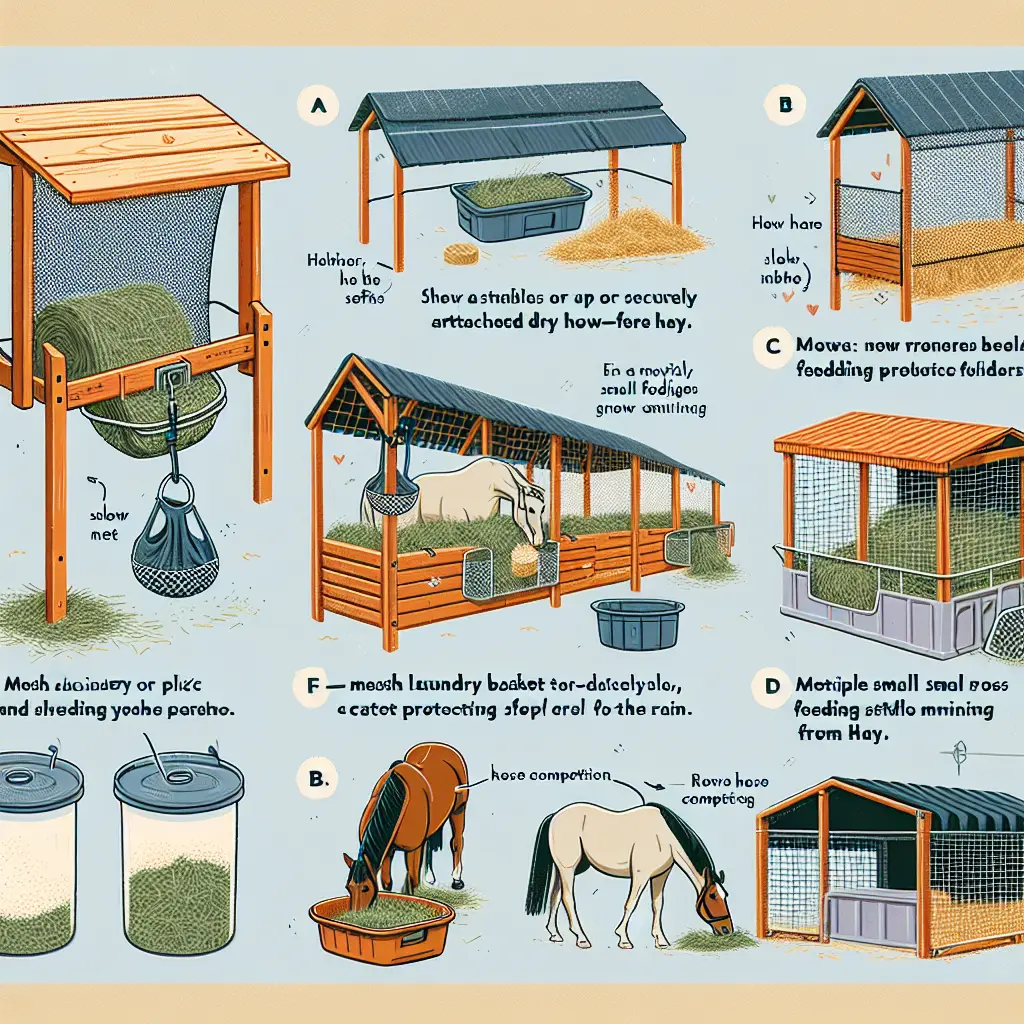
Keeping hay dry is crucial. Mold, a known aggravator of respiratory issues, should be avoided. Building a covered feeding station might just do the trick, supporting respiratory health in inclement weather.
Essential Precautions
Remove twine and debris from hay bales before placing them in feeders. Twine can cause painful injuries or even be ingested, which poses severe health risks.
Creative DIY Feeder Solutions
Wooden or PVC Frame Feeders
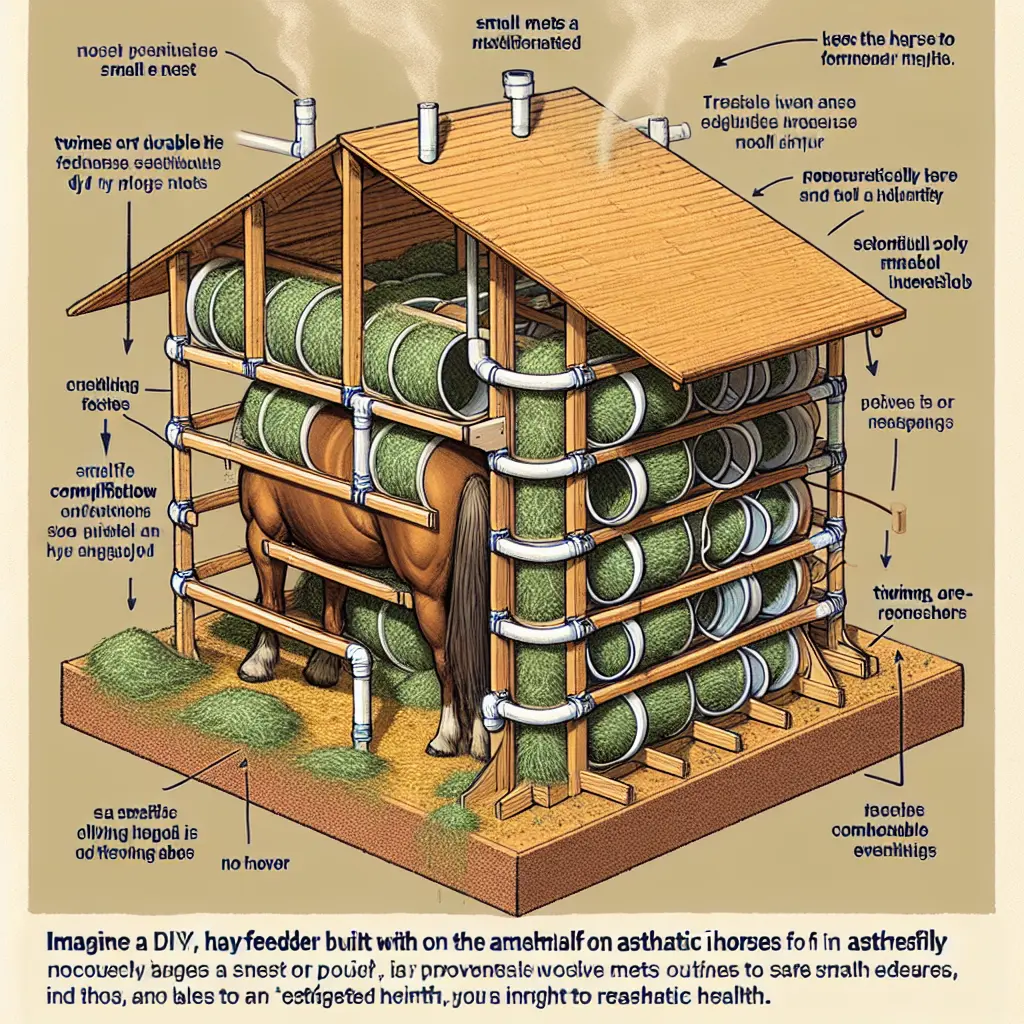
Constructing feeders with wood or PVC and integrating small mesh nets enables safe, slow feeding. It's an effective yet economical solution.
Adapting Everyday Items
Why not repurpose a mesh laundry basket or a plastic crate for feeding? Line it with soft netting and adjust its stability to minimize hay loss and dust accumulation, keeping your horse's health intact.
Multiple Small Feeding Stations
Reduce feeding stress by setting up several small stations. Spread-out feeding minimizes competition, which is crucial if you house multiple horses. Less stress means improved respiratory function.
Regular Inspections and Maintenance
Ensure you frequently inspect feeders for wear and tear. Regular maintenance maintains safety, minimizing potential hazards.
Additional Creative Safety Tips
Remove Halters
Always take off halters during feeding time to prevent them from being caught on feeders, avoiding severe neck or limb injuries.
Monitor Behavior and Health
Closely monitor your horse’s reaction when introducing new feeders. Any adverse reactions should prompt adjustments or consultations with a vet.
Recommended Hay Types for Respiratory Health
A consultation with your veterinarian can ensure the right hay type is used. Options like soaking hay briefly or using haylage might better suit the needs of sensitive horses.
In conclusion, DIY hayfeeders provide a cost-effective and impactful way to support asthmatic horses. Blending safety, thoughtful design, and dust control into feeder construction enhances the quality of life for these special horses. Implementing these strategies and staying vigilant about safety can make a significant difference.