

How to Safely Clean Your Horse's Sheath: Tips and Best Practices
As a devoted horse owner, keeping your equine companion in top health likely means regular grooming, hoof care, and dental checks. But have you paid enough attention to sheath cleaning? This crucial aspect of equine hygiene often slips under the radar, misunderstood and sometimes feared. Yet, routine sheath cleaning is paramount for your horse's comfort and health.
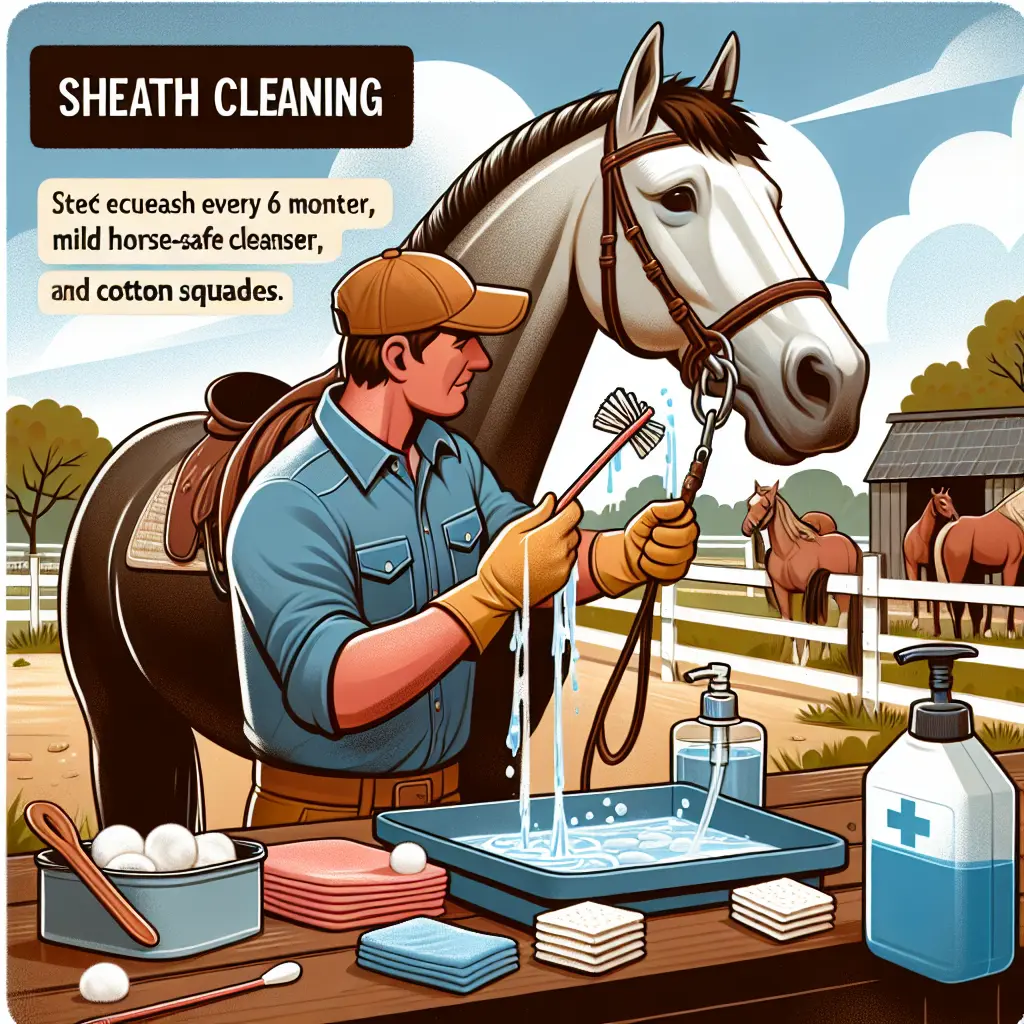
In this extensive guide, we will delve into the importance of sheath cleaning, the recommended frequency, and the best approaches as endorsed by veterinarians. Our goal is to equip you with the knowledge needed to undertake this task smoothly and safely.
Why Is Sheath Cleaning Important?
The sheath is a wrapping around the penis of male horses (stallions and geldings). Over time, it collects smegma, a natural mixture of dead skin cells, oils, and secretor substances. While normal in moderated amounts, excessive buildup can spark irritation or infections.
Regular cleaning helps prevent smegma buildup, allows for early detection of potential issues, and supports your horse's hygiene and comfort. According to Total Equine Veterinary Associates, cleaning the sheath every 6–12 months permits comprehensive examination, enabling early identification of abnormalities like sarcoids or melanomas.
How Often Should You Clean Your Horse's Sheath?
Most experts recommend cleaning the sheath 6 to 12 months apart, but some horses produce more smegma and may require more frequent cleaning. However, overcleaning can disrupt the sheath's natural microorganism balance, potentially leading to irritation or fungal growth.
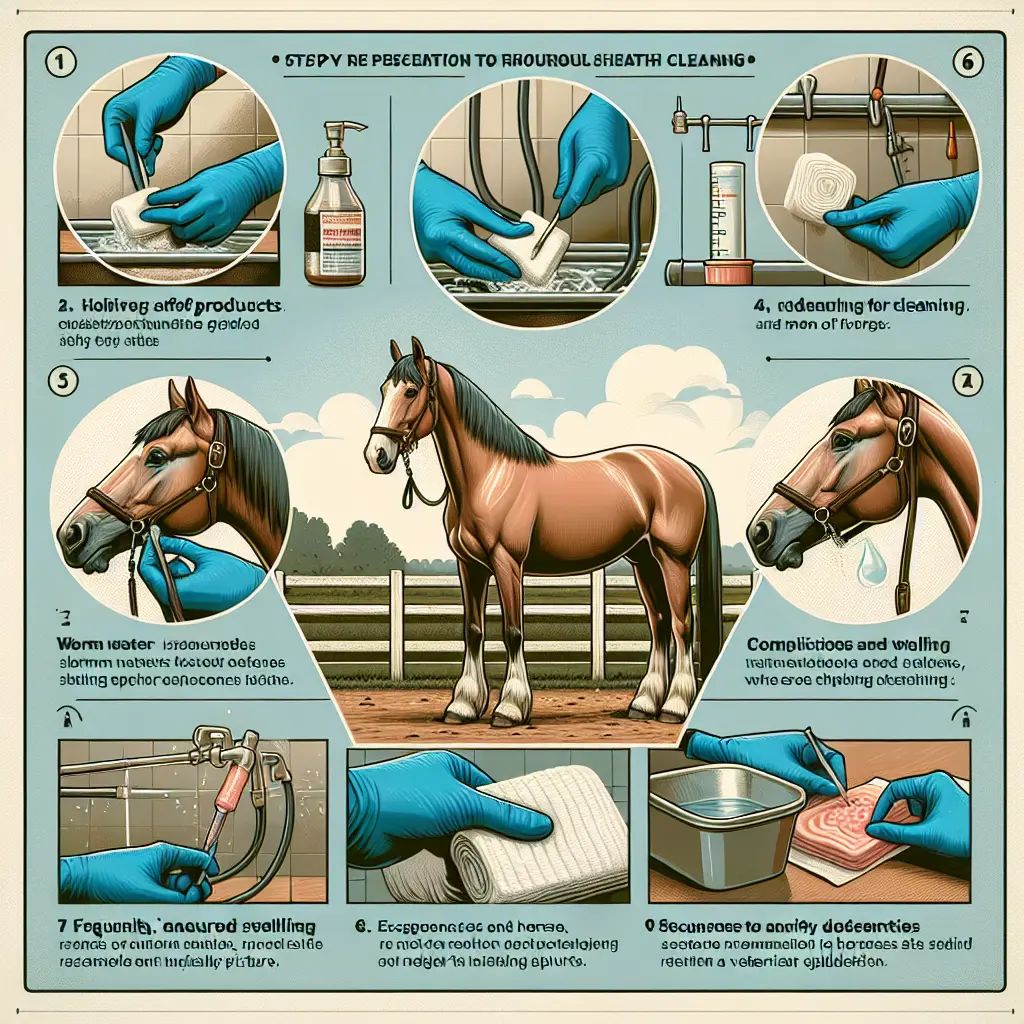
Belmont Farm and Equine Vets suggest that a brief wash every couple of weeks is adequate, with thorough cleaning once or twice a year being sufficient for most horses. This helps prevent disrupting the natural flora within the sheath
Step-by-Step Guide to Safe Sheath Cleaning
1. Gather Your Supplies
Have these items ready: warm water buckets (one for washing, one for rinsing), a mild horse-safe cleanser, cotton squares, disposable gloves, and optionally, KY Jelly to ease cleaning.
2. Sedation (If Needed)
If your steed is uneasy or anxious, consult with your veterinarian about using an oral sedative. Alternatively, you can request that your vet conduct the cleaning process.
3. Prepare the Area
Position yourself beside your horse's elbow to ensure safety. Use a warm, wet sponge for initial cleaning. If resistance occurs, apply KY Jelly to loosen smegma.
4. Clean Gently
Use mild cleanser diluted in warm water and gently clean using cotton squares or a soft cloth. Avoid harsh scrubbing and rinse thoroughly with warm water afterward.
5. Inspect and Remove Debris
After cleaning, inspect for lumps or sores. Remove debris gently without causing undue stress to your horse.
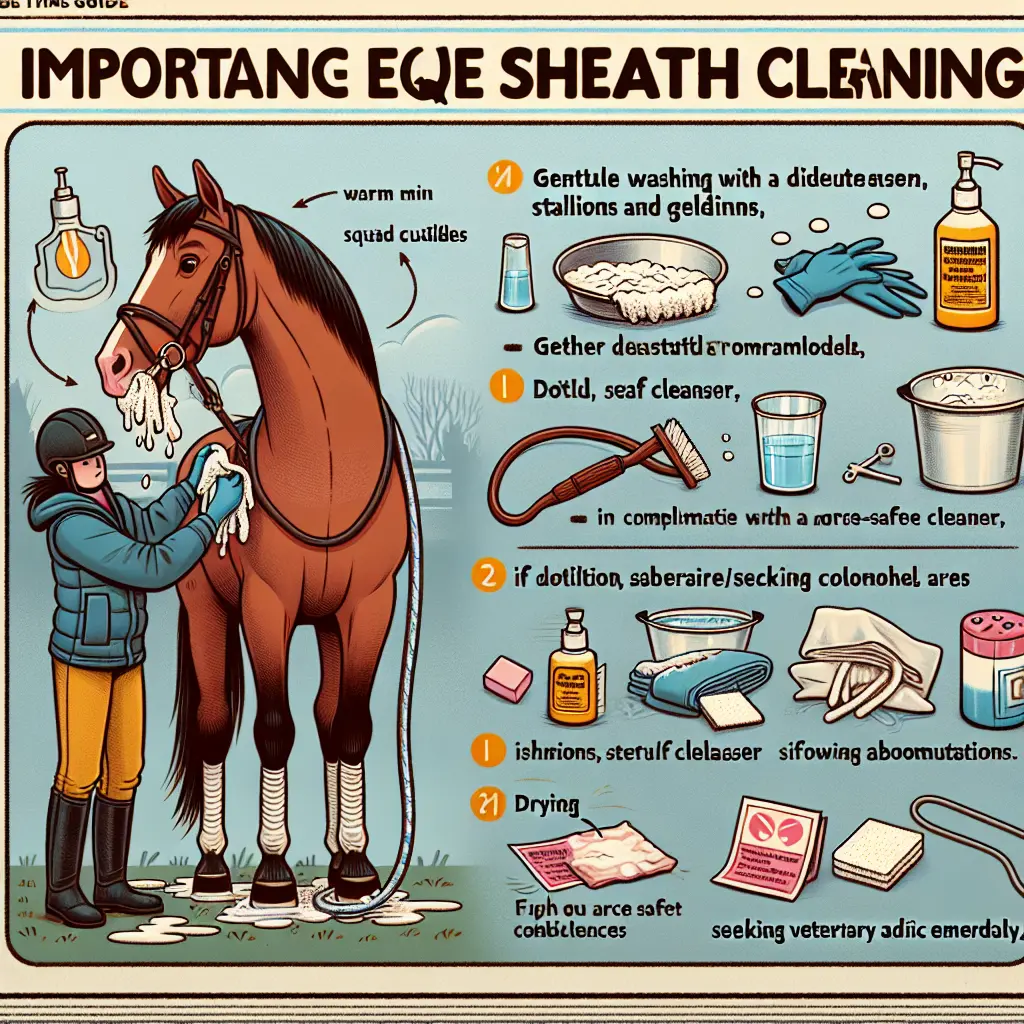
6. Dry the Area
Use a clean towel or paper towels to pat the area dry post-cleaning. This prevents moisture buildup, which could lead to infection.
What NOT to Do When Cleaning Your Horse's Sheath
- Never use harsh chemicals, as they can irritate the skin and disrupt natural microflora.
- Avoid scrubbing vigorously or spraying water directly into the sheath.
- Do not overclean, as this can lead to potential irritation or infection.
Choosing the Right Cleaning Products
Use only mild, horse-safe products. A traditional choice is a small amount of diluted, unscented Liquid Ivory™ dish soap or specialized sheath cleansers. Ensure all soap residues are rinsed thoroughly. SmartPak Equine provides an array of useful product suggestions.
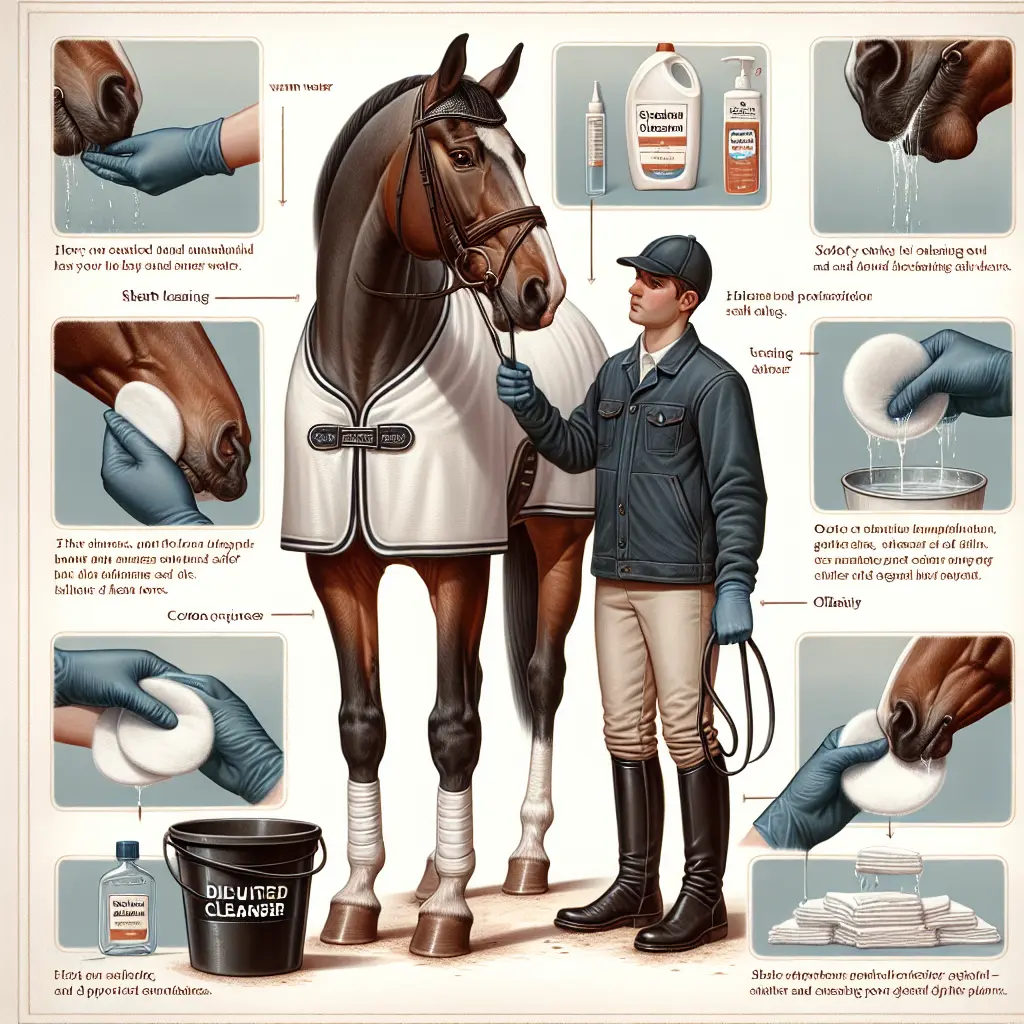
When to Call the Veterinarian
- If you observe excessive swelling, lumps, or discharge.
- Your horse is in pain or discomfort.
- If you're unable or unsure of performing the cleaning safely.
Conclusion
Regular, careful cleaning of your horse’s sheath is vital for their well-being. With these best practices and expert tips in mind, you offer your horse the health care they deserve. Consult veterinarians for any uncertainties. For more resources, see [Mad Barn: Sheath Cleaning for Horses](https://madbarn.com/sheath-cleaning-for-horses) for additional insights.
Just Horse Riders offers an extensive range of horse care products perfect for keeping your horse happy and well-groomed, including our latest Jodhpur Collection and Everyday Horse Vitamins & Supplements.
To keep up with your equestrian needs, explore our Horse Riding Boot Collection and our specially designed Horse Fly Protection gear, all meticulously selected to enhance your equine lifestyle.