

Is it a Risk Worth Taking? Evaluating Young Horses with Imbalanced Growth
Introduction
Horse owners often find the growth journey of young equines both thrilling and nerve-wracking. Concerns about their health and development multiply if growth becomes uneven, raising questions about future soundness.
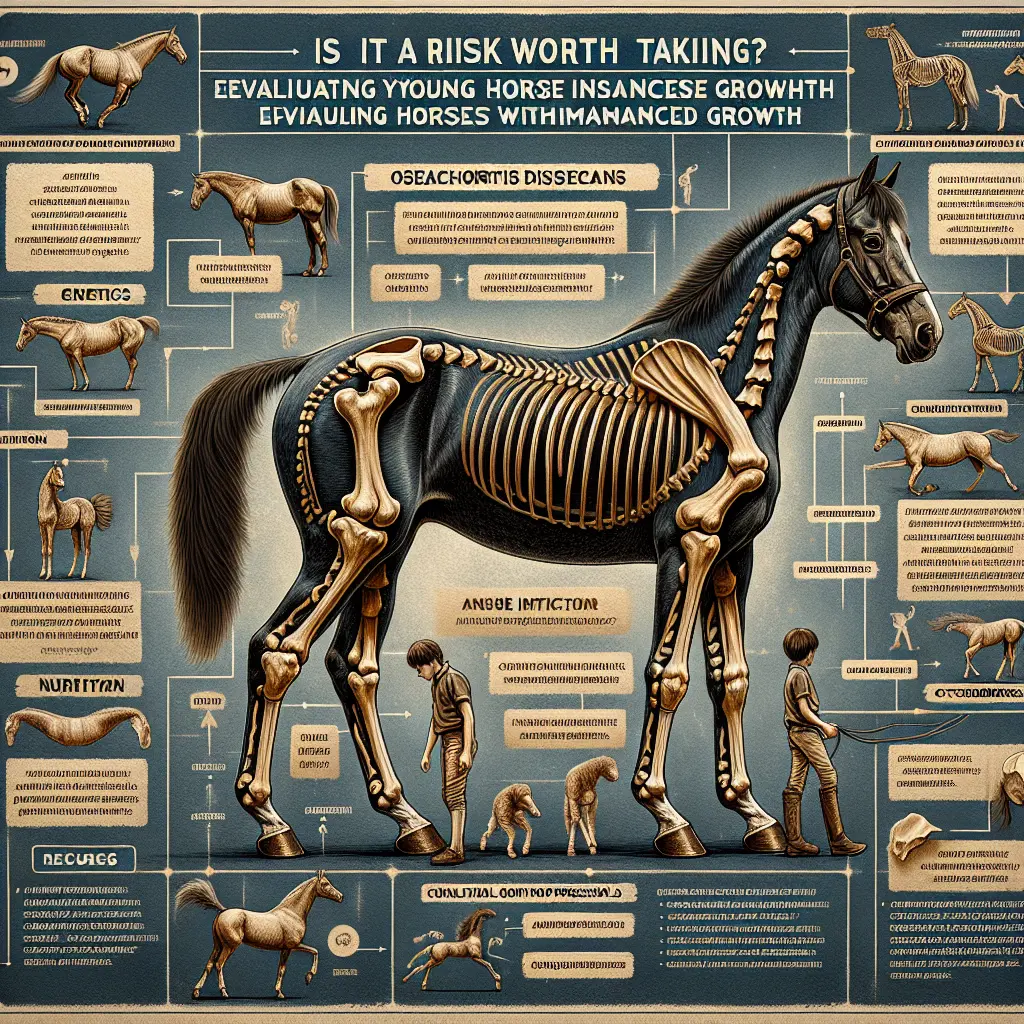
Imbalanced growth affects many young horses. A study revealed that 66.3% of foals among Warmbloods, Standardbreds, and Thoroughbreds suffered from developmental orthopedic diseases (DODs), which are closely linked to growth imbalances [7]. However, does this signal inevitable issues? The reality is nuanced.
Understanding Developmental Orthopedic Disease (DOD)
To evaluate imbalanced growth risks, it's crucial to understand DODs: non-infectious conditions impacting young horses' musculoskeletal systems [7]. DODs encompass various conditions like:
- Osteochondritis dissecans (OCD) – joint cartilage fragments detach
- Physitis – growth plate inflammation
- Angular limb deformities – misaligned legs
- Osteochondrosis – abnormal joint bone/cartilage development
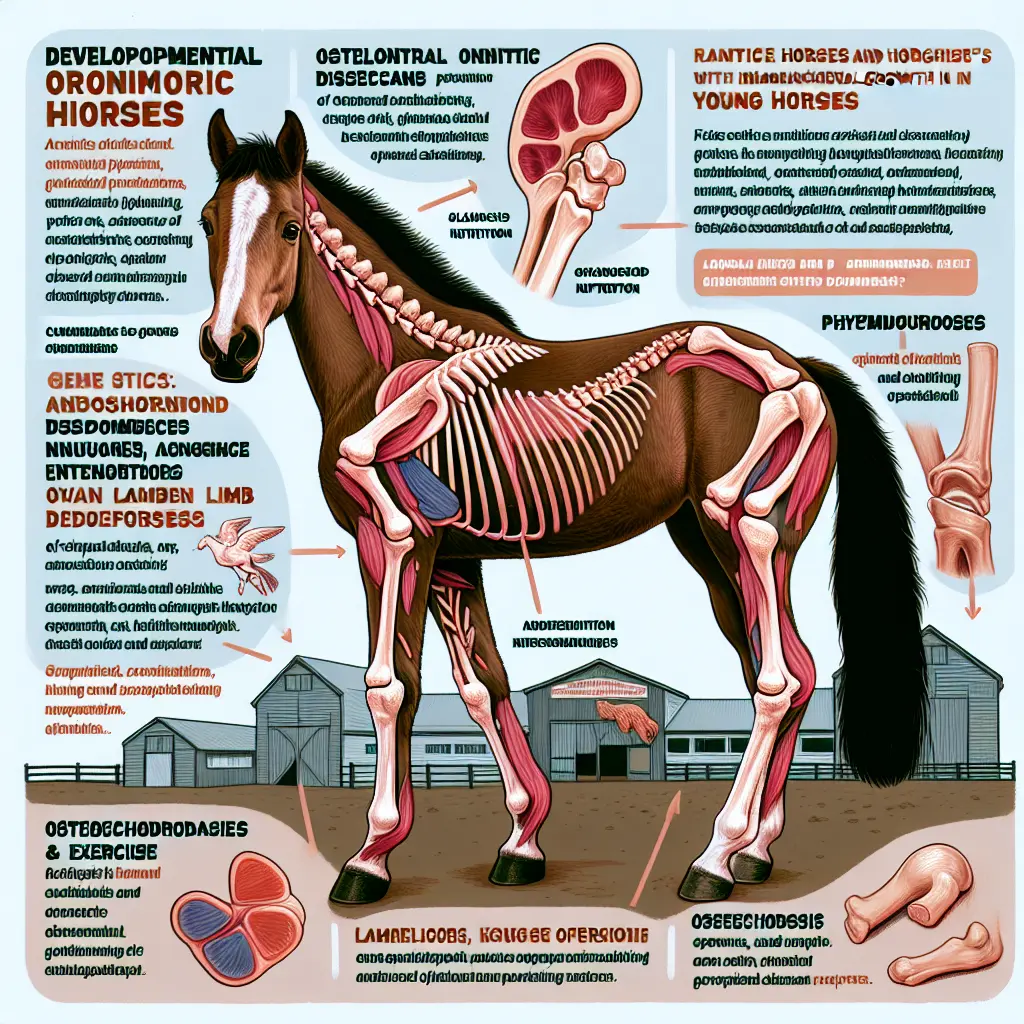
In studying young Swedish horses, clinical findings showed 49% had developmental disease symptoms, yet 84% were deemed healthy based on standard measures [2]. This suggests many imbalanced growth cases are manageable without severe consequences.
What Causes Imbalanced Growth?
Understanding these causes is pivotal since many are controllable by horse owners.
Genetics and Breeding Selection
Genetics significantly influence DOD susceptibility. Some lines show up to 50% heritability for osteochondrosis [4]. While genetic predisposition can necessitate extra care, it does not guarantee disease development.
Rapid Growth and Nutrition
Nutrition is a controllable risk factor. Rapid growth spurts, often linked to imbalanced nutrition, can cause DODs
[3].
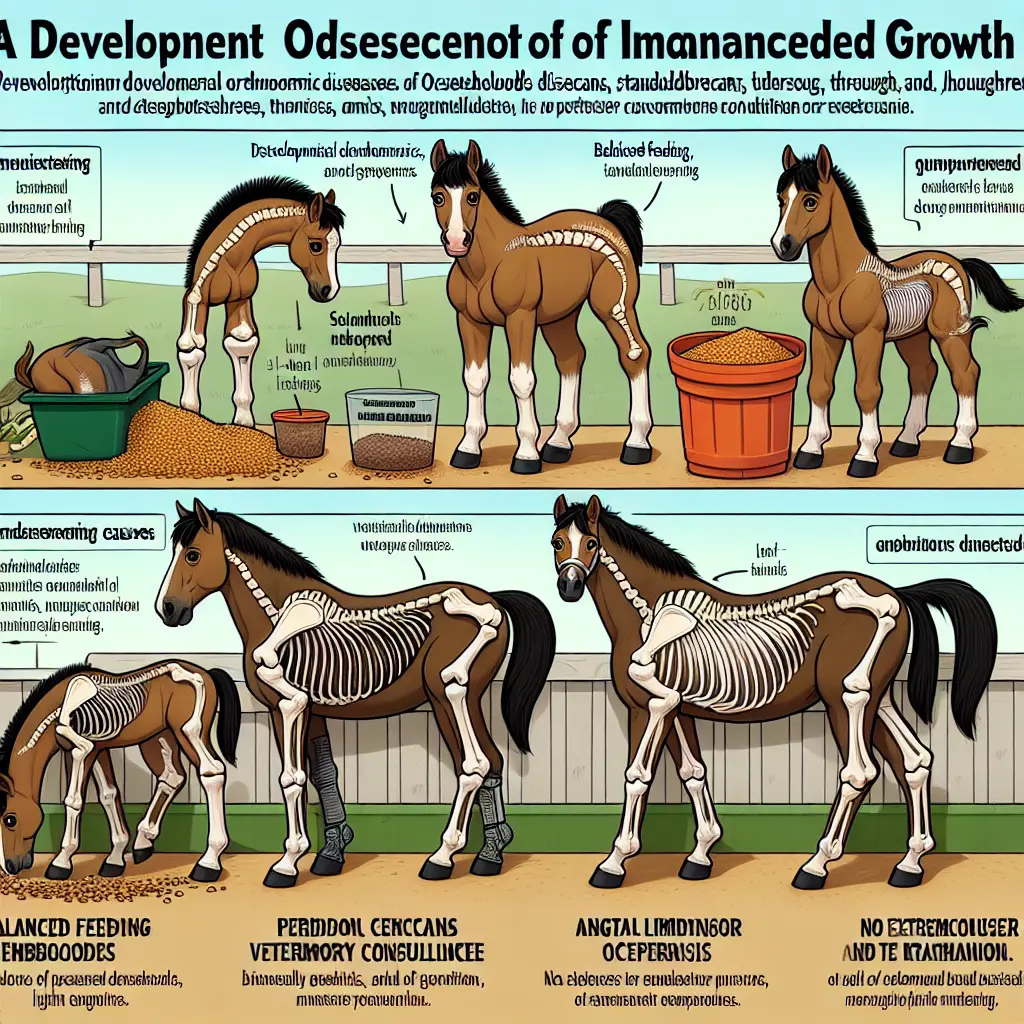 High growth rates driven by concentrates can predispose horses to gastric and skeletal problems
[4]. Balance is essential to foster bone and muscle development while avoiding extremes.
High growth rates driven by concentrates can predispose horses to gastric and skeletal problems
[4]. Balance is essential to foster bone and muscle development while avoiding extremes.
Exercise Patterns
Contrary to some beliefs, young horses benefit from early exercise. Research indicates that horses exercised before age two have lower lameness rates [1]. High-impact strides strengthen bones, while inadequate stall confinement decreases bone strength [1].
Overtraining Syndrome
Overtraining presents risks too, particularly with young horses more susceptible to heightened cortisol levels
[1].
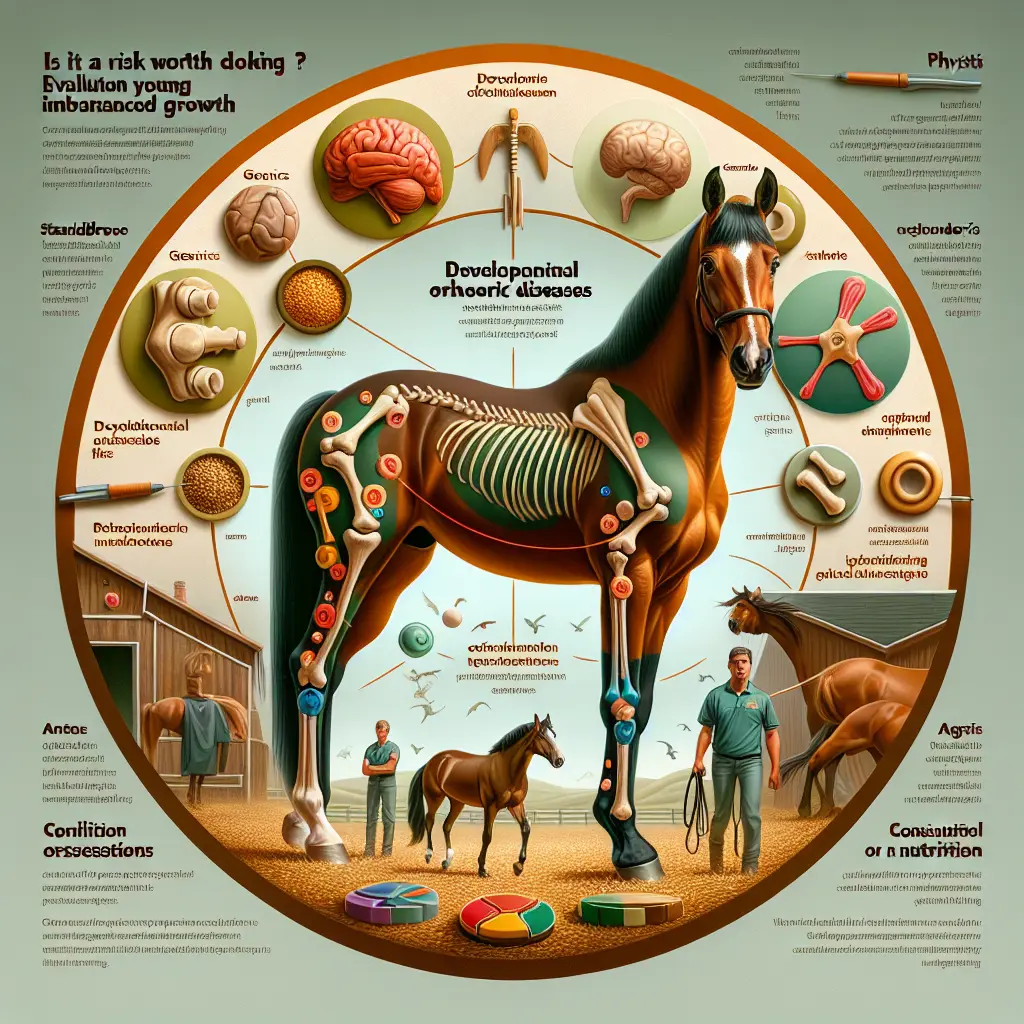 Persistent cortisol elevation weakens the immune system
[1]. Mitigating overtraining can prevent injuries from fatigue-induced missteps.
Persistent cortisol elevation weakens the immune system
[1]. Mitigating overtraining can prevent injuries from fatigue-induced missteps.
The Real-World Impact: What the Data Shows
In a study with 314 Thoroughbreds in Newmarket, more than half experienced lameness, hindering their training progress [5]. This showcases the practical challenges and underscores the need for effective management practices.
Is It a Risk Worth Taking?
Evaluating whether the risk is worthwhile involves considering various factors.
If Your Young Horse Shows Signs of Imbalanced Growth
Early detection and management can prevent many serious issues. Nutritional imbalances are often correctable, and higher pasture access reduces lameness risks [4].
Key Decision Points
1. Invest in Nutrition Planning: Work with an equine nutritionist to ensure balanced nutrition.
2. Provide Regular Exercise: Consistent pasture access and appropriate exercises aid development.
3. Monitor Growth and Development: Regular assessments help manage developmental factors [4].
4. Work with Veterinary Professionals: Consult vets promptly to address concerns [3].
5. Avoid Extreme Approaches: Ensure moderate, consistent management avoids confinement/excessive training risks.
The Bottom Line
Embracing the challenge of managing imbalanced growth strategically is crucial for youth horses. Parents must balance nutrition, exercise, and monitoring while letting management practices evolve alongside the horse’s development.
By interpreting imbalanced growth as a signal to refine management rather than as a catastrophe, horse owners can guide their equines toward healthy growth. Knowing the right practices may well lead many horses, despite early DOD signs, to successful careers in adulthood.
Explore collections that help ensure your horse’s journey is both fashionable and functional: Visit theJodhpur Collection, Horse Riding Boots, and Gloves to choose the best fit for your horse today!