

The Impact of Horse Trading Practices: Insights from a Radio 4 Programme
Horse trading is a fascinating practice with deep historical roots and far-reaching implications. Recently highlighted in a Radio 4 programme, horse trading encompasses not only the literal buying and selling of horses but also the strategic negotiating tactics adopted across various domains. This article explores the multidimensional nature of horse trading, including its economic, cultural, and ethical facets, as well as its metaphorical applications in politics and business.
Understanding Horse Trading
More than Just Buying and Selling
At its core, horse trading involves intricate negotiation between buyers and sellers. This highly specialized market requires professional traders and buyers to possess expertise in equine health, pedigree, and performance. These elements are crucial for effective bargaining and avoiding unfair or unethical deals.
The Evolution of Practices
As the Radio 4 programme noted, the evolution of horse trading practices highlights the essential role of transparency and regulation in maintaining trust. Without proper oversight, unethical practices like selling unhealthy horses can ensue, impacting both buyers and animal welfare standards.
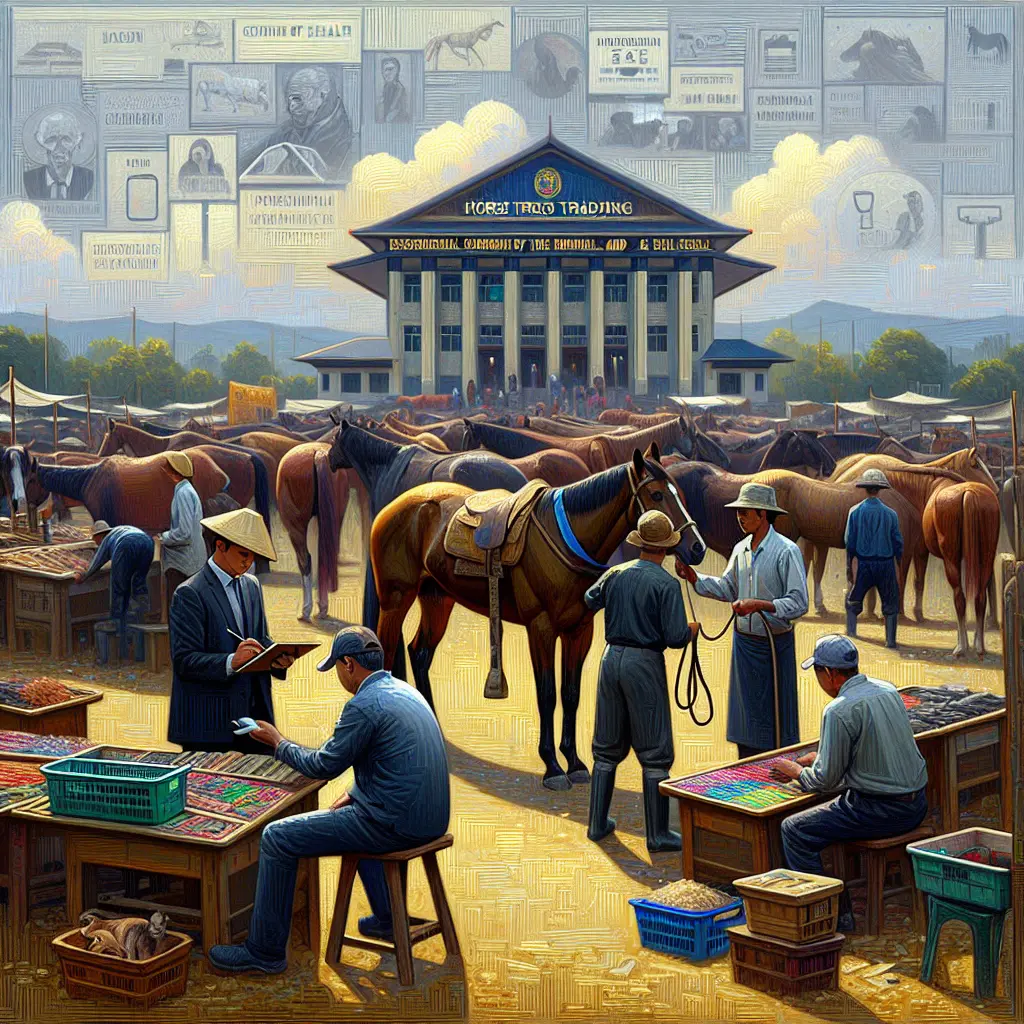
Image courtesy of Just Horse Riders. Click to visit their homepage.
Economic and Cultural Impact of Horse Trading
An Economic Pillar
Horse trading is more than an economic activity; it is a cultural tradition with markets that span centuries. In the UK, the horse industry contributes an approximate £4 billion to the economy, supporting over 100,000 jobs.[1] This contribution emphasizes the role of horse trading in providing liquidity and economic vibrancy, especially in rural communities.
Cultural Heritage
Cultural significance is another important dimension of horse trading. In many regions, these practices are not only economic in nature but also a part of cultural heritage, often representing longstanding traditions intertwined with local identity.
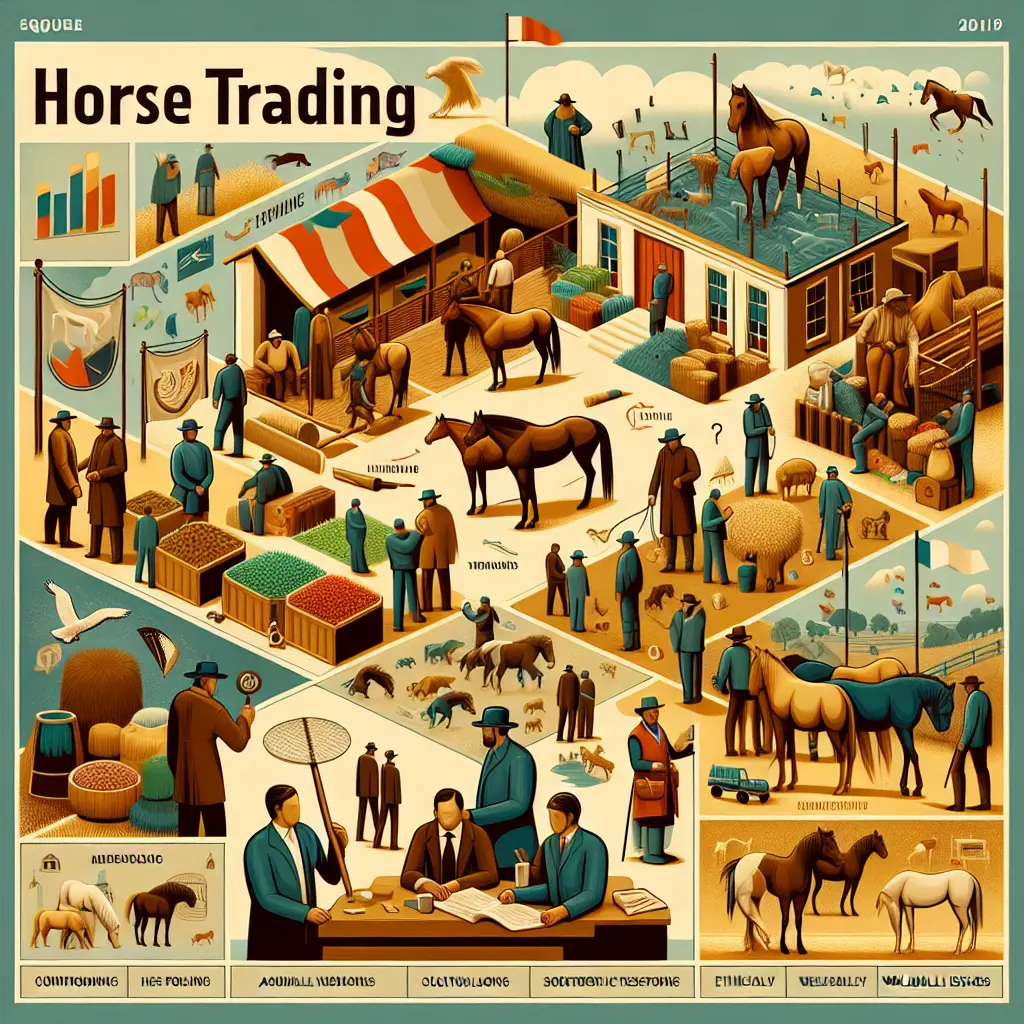
Image courtesy of Just Horse Riders. Click to visit their homepage.
Ethical Considerations and Regulatory Challenges
Ensuring Ethical Conduct
One of the most urgent challenges posed by horse trading is the need for ethical practices. Issues like misrepresentation and illegal trading threaten the integrity of the market, while animal welfare violations compromise the wellbeing of the equines involved. The Radio 4 programme underscored the importance of improving legal frameworks and enforcing strict animal welfare standards.[2]
Proactive Regulation
Regulatory bodies have taken measures such as mandatory health certifications and microchipping to promote transparency and reduce fraud. These efforts are crucial in fostering a trustworthy trading environment.

Image courtesy of Just Horse Riders. Click to visit their homepage.
Broader Implications: Horse Trading as a Metaphor
Strategic Negotiation in Other Fields
Beyond its literal meaning, "horse trading" has become a metaphor for strategic negotiation practices in politics and business. It describes scenarios where compromise is key, emphasizing negotiation techniques, ethical conduct, and transparency as universally relevant principles.[3]
Lessons from Metaphorical Horse Trading
Understanding metaphorical horse trading provides valuable insights into strategic thinking and problem-solving. The principles derived from this metaphor are applicable beyond equine markets and are essential for achieving fair and ethical outcomes in various fields.

Image courtesy of Just Horse Riders. Click to visit their homepage.
Why This Matters to Readers
Embracing Knowledge and Informed Choices
Understanding horse trading allows readers to gain appreciation for the complexities of markets and the importance of regulation. Whether you are a consumer, policymaker, or simply curious, these insights can guide informed and ethical engagement with market practices, ultimately ensuring better welfare for all parties involved.
Encouraging Ethical Engagement
For anyone interested in economics, culture, or ethics, the discussion surrounding horse trading encourages responsible interactions and thoughtful consideration of market dynamics. By promoting fair deals and welfare standards, we can foster a more ethical and beneficial marketplace.
Enhancing Your Riding Experience
As horse riding enthusiasts, understanding the intricacies of horse trading can enrich your perspective and enhance your equestrian pursuits. Be sure to check out our wide range of equestrian equipment and supplements, including our Jodhpur Collection, Horse Riding Boot Collection, and Everyday Horse Vitamins & Supplements.
Conclusion
Horse trading, both in its literal and metaphorical forms, is a subject of significant complexity and importance. From its impact on rural economies to its metaphorical applications in negotiation, understanding horse trading practices offers compelling insights into market dynamics and ethical considerations. As we continue to explore these topics, let us strive for fairness, transparency, and ethical conduct in all our endeavors.
This article builds upon the extensive discussion in the Radio 4 programme on horse trading practices, offering valuable insights grounded in historical, economic, and ethical contexts. For further understanding and authoritative perspectives, listening to the Radio 4 broadcast is highly recommended.