Debunking Equine Sarcoid Treatments: Exploring the Divide Between Herbal Remedies and Vet-Approved Solutions
Equine sarcoids are a common yet challenging issue for horse owners. These benign skin tumors can be as unpredictable as a horse refusing to jump a puddle, and they have a pesky tendency to recur. Fortunately, solutions range from natural herbal treatments to well-researched, science-backed veterinary options. Understanding the intricacies of these treatments will help you make informed decisions that put horse health and welfare first.
Understanding Equine Sarcoids
Equine sarcoids are benign, fibroblastic tumors that often appear due to bovine papillomavirus infection. While typically harmless, these tumors can appear on a horse's head, neck, or limbs, becoming stubbornly resistant to treatment and notorious for recurrences.
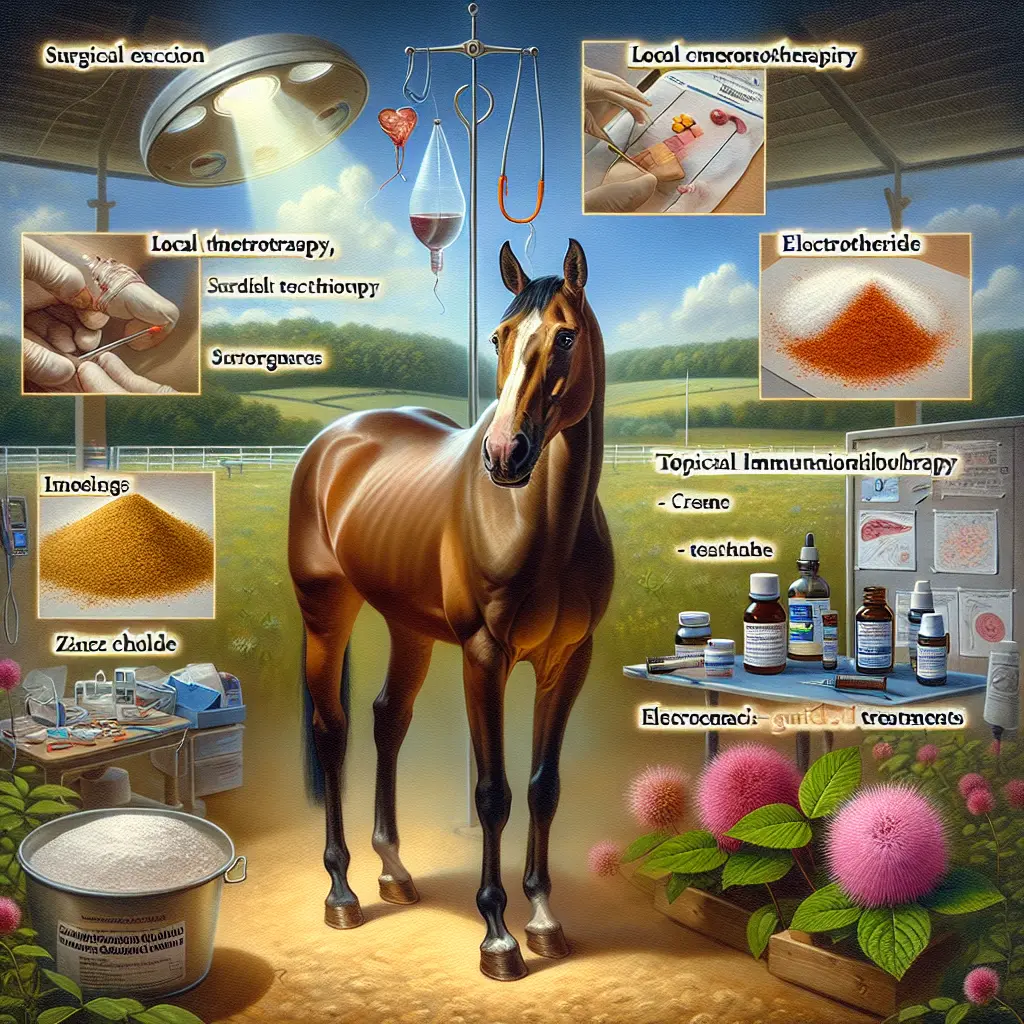
Herbal Remedies: An Enchanting Appeal?
The Power of Bloodroot and Zinc Chloride
Some horse owners flock to herbs like moths to a flame, lured by the natural appeal of plants such as *Sanguinaria canadensis* (commonly known as bloodroot) mixed with zinc chloride. Though anecdotal evidence suggests they effectively combat sarcoids, scientific support is limited. Studies show mixed results, with some suggesting that certain herbal mixtures can match medical creams like imiquimod in 80% of smaller fibroblastic sarcoids [1].
The Drawbacks of Herbal Approaches
While the natural appeal is strong, this approach is riddled with challenges:
- Efficacy is often restricted to smaller lesions.
- Lack of controlled studies confirming broad effectiveness.
- Risks of skin irritation or inflammation due to incorrect usage.
Vet-Approved Treatments: Proven, Reliable, Effective
Surgical Excision

For many horse owners, a trip to the vet feels like handing off the reins to a professional jockey. An experienced surgeon can remove sarcoids with techniques that boast only a 10–20% recurrence rate under current best practices[2], compared to historical rates of 70%.
Local Chemotherapy
Injecting agents like cisplatin directly into tumors has shown high success rates. Matching Asterix against the Romans, these injections paired with surgical debulking offer significant regression results[3].
Topical Immunomodulators
Imiquimod cream stimulates local immune responses, yielding some of the most significant regression results, particularly for diminutive tumors[1].
Electrochemotherapy and Multimodal Approaches
Combining electric pulses with chemotherapy drugs, electrochemotherapy represents the high-tech lassoing of sarcoids, yet often requires anesthesia [3]. Similarly, combining surgical approaches with localized chemo or topical treatments enhances effectiveness, showing that partnerships, whether in the rodeo or oncology, often yield the best results [1].
Deciding Between Two Worlds
Comparing Evidence and Efficacy
| Aspect | Herbal Remedies | Vet-Approved Treatments |
|---|---|---|
| Evidence Base | Limited trials; anecdotal | Strong evidence; reviewed systematically[1] |
| Effectiveness | Variable; more effective on small tumors [1] | High, especially with multimodal therapy[1] |
| Safety | Low regulation; risk of irritation | Vet-supervised, reliable profiles |
| Recurrence Rates | Unclear | 10–20% with modern techniques[2] |
| Accessibility | Over-the-counter; DIY | Requires veterinary oversight |
Key Considerations for the Dedicated Horse Owner
Emphasizing Accurate Diagnosis and Monitoring

Before galloping into treatment, secure an accurate diagnosis through biopsy. Sarcoids can mimic other skin conditions demanding varied resolutions[1].
Size and Location Influence Treatment Choice
Small, superficial sarcoids are more responsive to topical approaches. Larger tumors often require the surgical rodeo, hopefully leading to remission rather than recurrence[3].
Expect Recurrence
The unpredictability of recurrence necessitates vigilant long-term monitoring[2].
Seek Veterinary Guidance
Depend on licensed veterinarians for treatment guidance. They ensure accurate dosages, effective therapies, and successful follow-ups, minimizing complications for your beloved equine companions.
Additional Resources on Horse Health
While sarcoids remain tricky to manage, keeping your horse as comfortable and healthy as possible is easier than ever thanks to top-notch treatments available with a click:
- Jodhpur Collection
- Horse Riding Boots
- Horse Riding Gloves
- Horse Riding Socks
- Horse Treats And Gifts
- Everyday Horse Vitamins & Supplements
- Stable Rugs
- Turnout Rugs
- Horse Fly Protection
Conclusion: Bridging the Divide
While herbal remedies like bloodroot mixed with zinc chloride have shown some promise, the bulk of the evidence lies firmly with vet-approved strategies. In weighing these options, always consider the modern science backing vets, the nuanced nature of sarcoids, and how your decisions can best support your horse's health. At the heart of this journey is ensuring your horse's care is tailored under expert veterinarian guidance while prioritizing safe, effective, and evidence-based solutions.