

Is the Cavesson Noseband Still Relevant in Modern Dressage?
The **cavesson noseband** has long been a staple in English riding disciplines, especially in dressage. But with **evolving training philosophies** and an increased focus on **equine welfare**, the question arises: Does the cavesson noseband still hold its ground in modern dressage? This article delves into its contemporary role, supported by research and expert insights, enabling riders to make informed choices regarding their horses.

Understanding the Cavesson Noseband
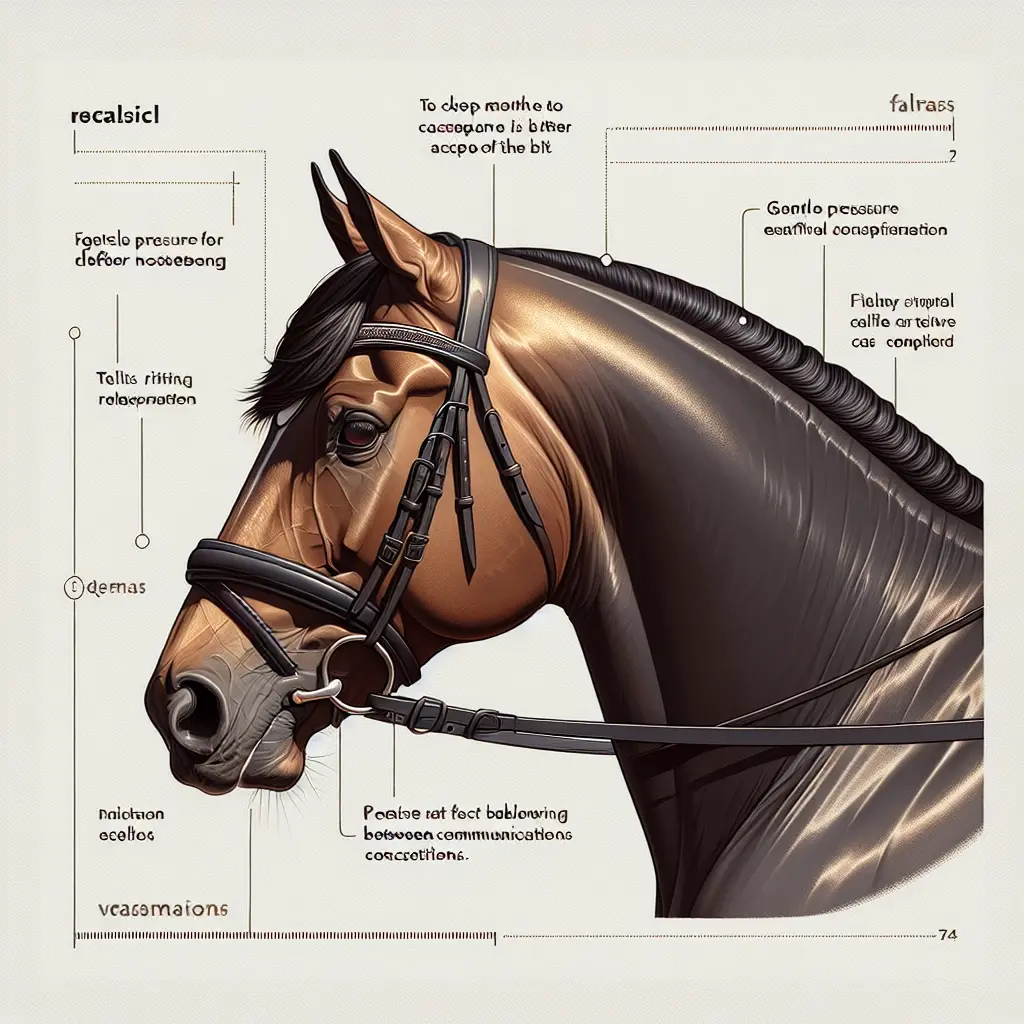
The **cavesson noseband** is the quintessential and most common type of noseband used in English riding. Crafted from a single piece of leather that encircles the horse’s nose and buckles beneath the chin, it promotes the horse's **comfort and acceptance of the bit** without overt restraint. This design is sometimes referred to as the "regular noseband" due to its simplicity and versatility.
Different Variations of the Cavesson
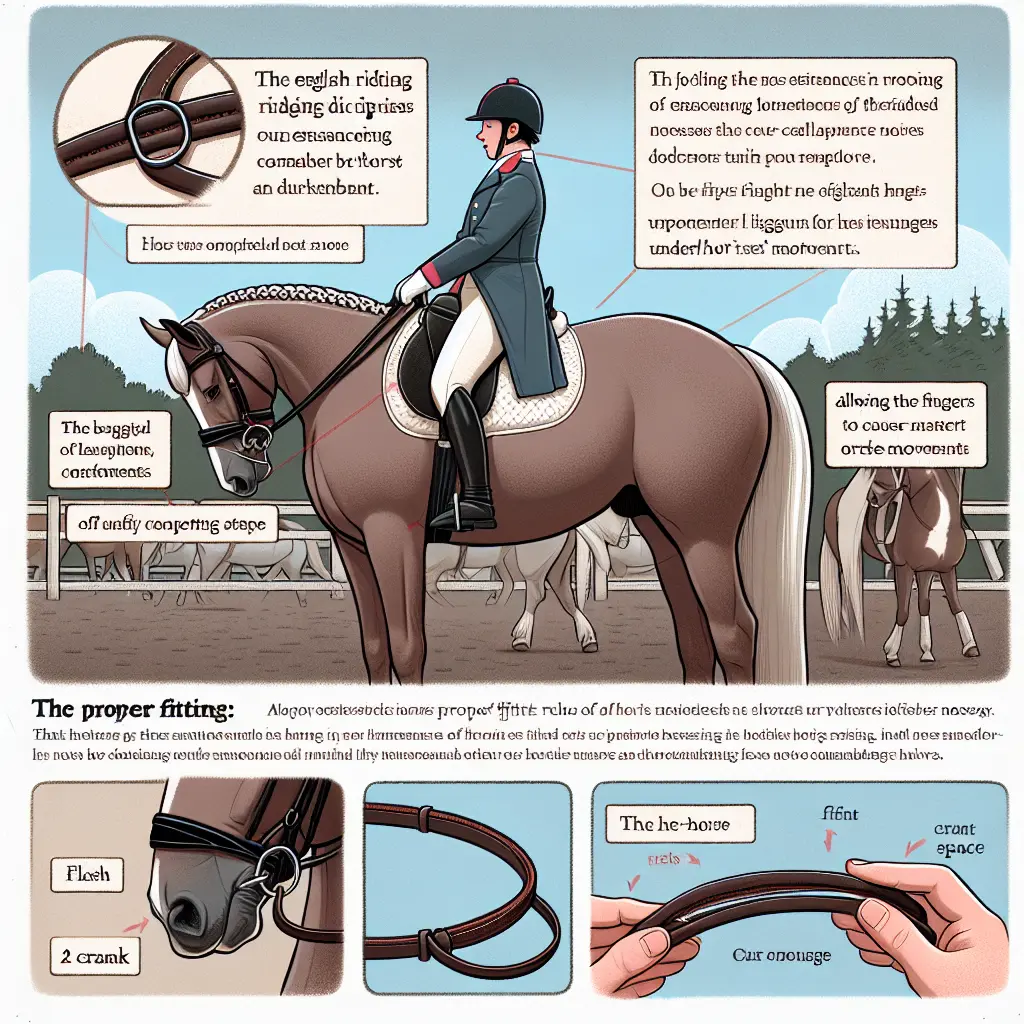
While the basic cavesson is prevalent, several variations exist to cater to different needs. These include the **flash noseband**, which adds an additional strap under the bit, and the **crank noseband**, known for its leverage and precise tightening capability. The latter is commonly used with double bridles in dressage to ensure a snug fit.
Functionality of the Cavesson in Dressage
In the realm of dressage, the noseband's primary purpose is to maintain soft, consistent contact with the horse’s mouth, preventing evasions such as mouth opening or crossing the tongue over the bit. Such actions can disrupt communication and hinder the horse’s **bit acceptance**, which is pivotal for executing **fluid, precise movements**.
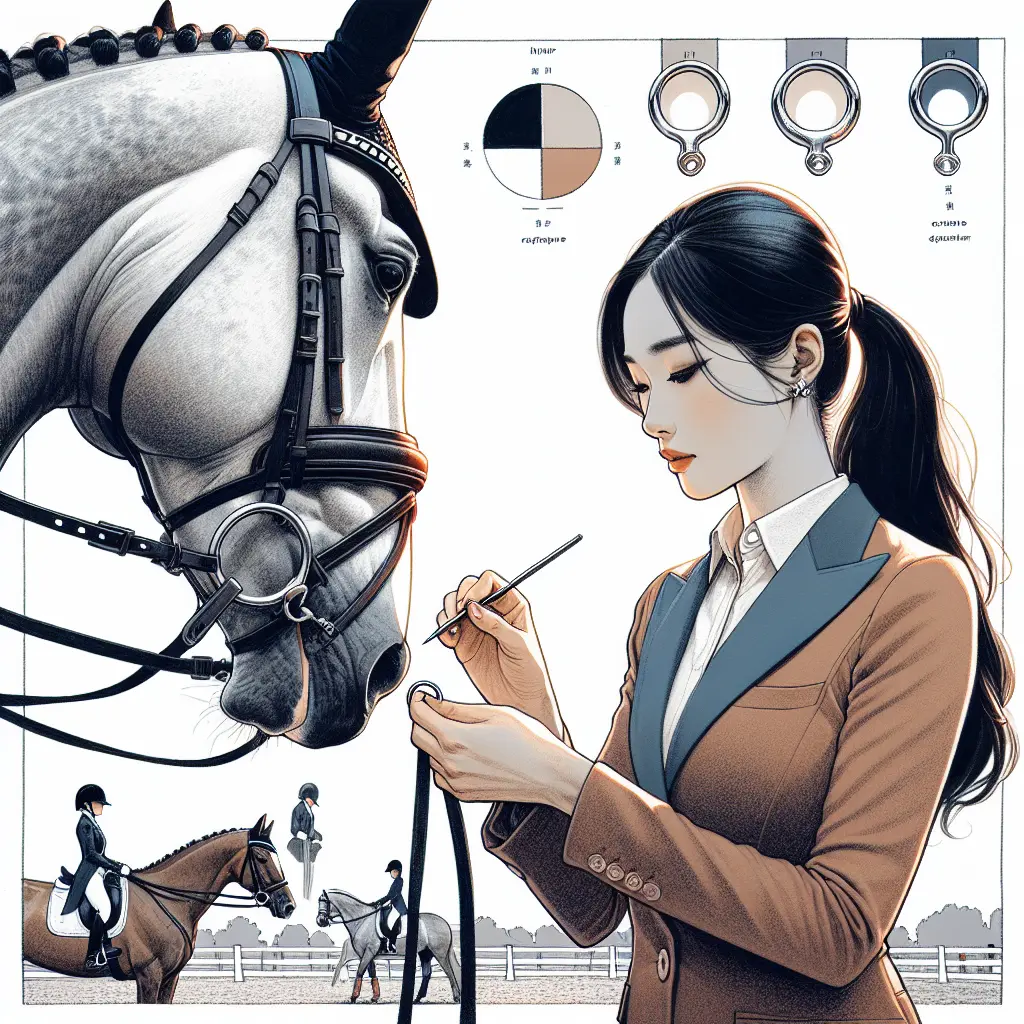
Encouraging Relaxation and Responsiveness
A well-fitted cavesson noseband exerts light pressure on the nose bridge and lower cheekbones, cuing the horse to keep its mouth closed gently. This mechanism fosters relaxation of the **chewing muscles**, vital for the horse to accept and "taste" the bit, a crucial aspect for achieving **lightness and responsiveness** in dressage.
Emerging Trends and Controversies
Nosebands and Welfare Concerns
Some modern equestrians challenge the use of nosebands, positing that a horse trained with **soft hands** and **proper techniques** doesn't require them to maintain a closed mouth. This perspective disputes the traditional belief that nosebands are indispensable components of riding gear.
Studies on Noseband Tightness
Research points to excessively tight nosebands, particularly crank types, raising welfare concerns due to reduced comfort and restricted natural behaviors, potentially clashing with **equine learning theory** and **negative reinforcement principles**.
Dressage Regulations and Noseband Use
In **elite dressage competitions**, specific types of nosebands are mandated. Double bridles often utilize a cavesson or crank noseband for enhanced fit precision. Despite this, the plain cavesson noseband remains permissible and extensively used across many dressage levels.
Fitting Trends Among Disciplines
The cavesson noseband is often favored for well-trained horses that accept the bit calmly. In contrast, more restrictive options like the flash or drop nosebands are generally reserved for horses that necessitate extra control.
Data and Insights on Cavesson Usage
Supporting Statistics
- An international study on noseband use in equestrian sports indicates that cavesson nosebands are usually fitted more loosely than crank or flash types, minimizing adverse effects while effectively serving their purpose.
- Eventing horses often sport tighter nosebands than dressage horses due to a need for greater control at speed and over obstacles.
- Research emphasizes that cavesson nosebands, when **adjusted correctly**, offer **even pressure distribution**, promoting bit acceptance without causing discomfort.
Selecting the Appropriate Noseband for Dressage
Key Considerations
The decision of which noseband to use is influenced by several factors:
- Training level and temperament: More experienced, calm horses often fare well with a simple cavesson.
- Behavioral issues: Horses that open their mouths or evade the bit may need a flash or crank noseband, but care is necessary to avoid excessive tightness.
- Competition regulations: Consider allowed noseband styles for your dressage level, as some events **impose restrictions**.
- Fit and comfort: Ensuring a proper adjustment that allows at least two fingers under the noseband is paramount for **welfare and effectiveness**.
Conclusion: The Continuing Relevance of the Cavesson Noseband
Without a doubt, the cavesson noseband remains a **reliable and relevant option in modern dressage**, particularly for horses that accept the bit with ease and require minimal tack intervention. It provides a balance between effective communication and horse welfare by promoting a closed mouth and bit acceptance without undue pressure.
Nevertheless, the push towards **gentler training approaches** and improved horse comfort prompts riders to scrutinize noseband use thoughtfully, steering clear of over-tightening or misuse. For numerous dressage enthusiasts, the cavesson remains the trustworthy standard: simple, efficient, and considerate of the horse's needs.
Further Reading and References
For those interested in exploring more about horse riding equipment and accessories, consider viewing our comprehensive collections:
- Jodhpur Collection
- Horse Riding Boot Collection
- Horse Riding Gloves Collection
- Horse Riding Socks Collection
- Horse Treats And Gifts
- Everyday Horse Vitamins & Supplements
- Stable Rugs
- Turnout Rugs
- Horse Fly Protection
By staying updated on these considerations, dressage riders can maintain the highest standards of horse welfare, ensuring effective arena communication and a commendable riding experience.