

The Role of Shetland Ponies in Grazing and Livestock Management
Shetland ponies, small yet mighty, have been pivotal in grazing and livestock management for centuries. While they are known for their strength and endurance, their impact on grazing and conservation efforts is profound. In this article, we'll explore how these charming creatures contribute to modern land management and conservation practices.
The History and Versatility of Shetland Ponies
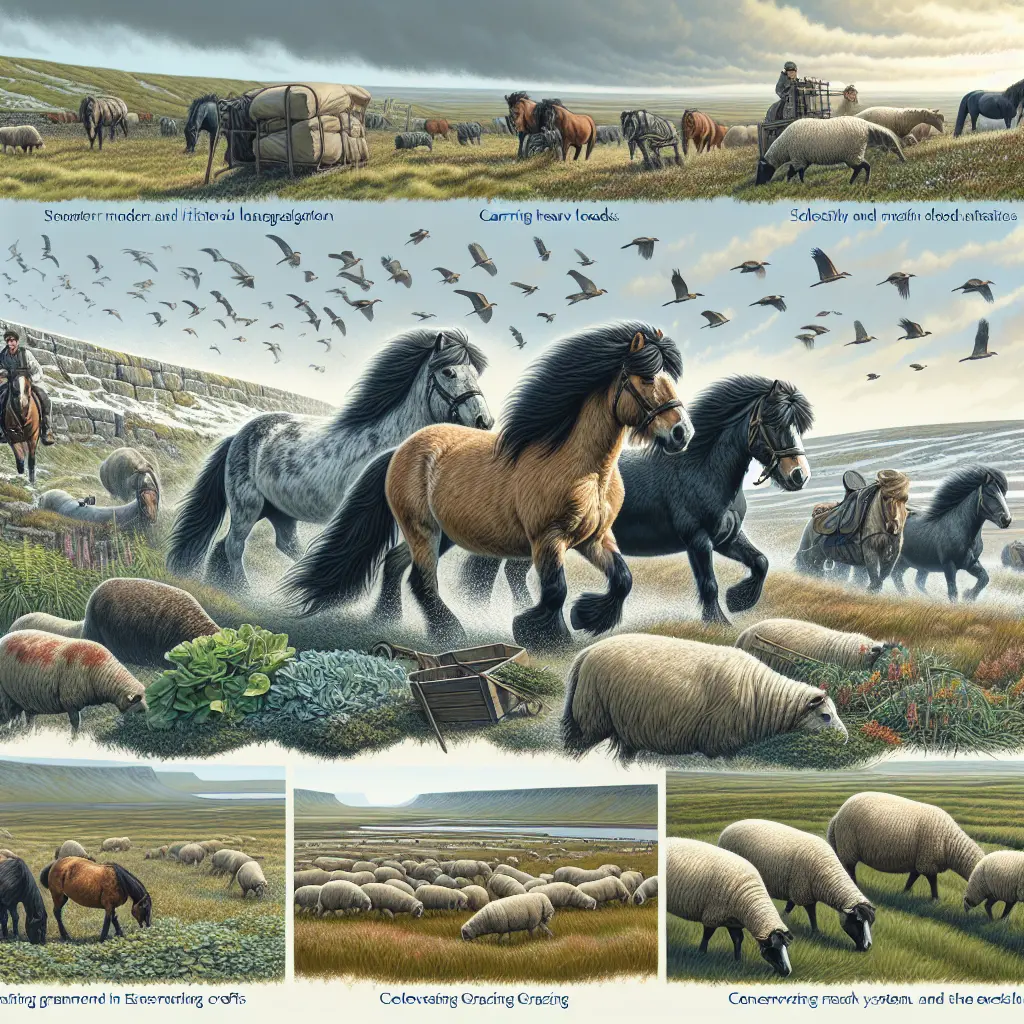
Shetland ponies have long been the workhorses of the Shetland Isles. Used historically by crofters for transportation and heavy lifting, these petite but powerful animals were key in moving peat and seaweed across harsh terrains. Their agility and strength made them indispensable for both agricultural and domestic tasks. Today, these traits are redirected into conservation grazing and mixed grazing systems.
Conservation Grazing: A Modern Use
Conservation grazing utilizes livestock to maintain and manage habitats by controlling vegetation growth. The National Trust in Fermanagh, for instance, employs Shetland ponies to navigate areas that machinery cannot reach, especially during the winter months. These ponies help prevent areas from becoming overrun with scrub while assisting in seed dispersal through their unique grazing behaviors.
The Grazing Behavior of Shetland Ponies
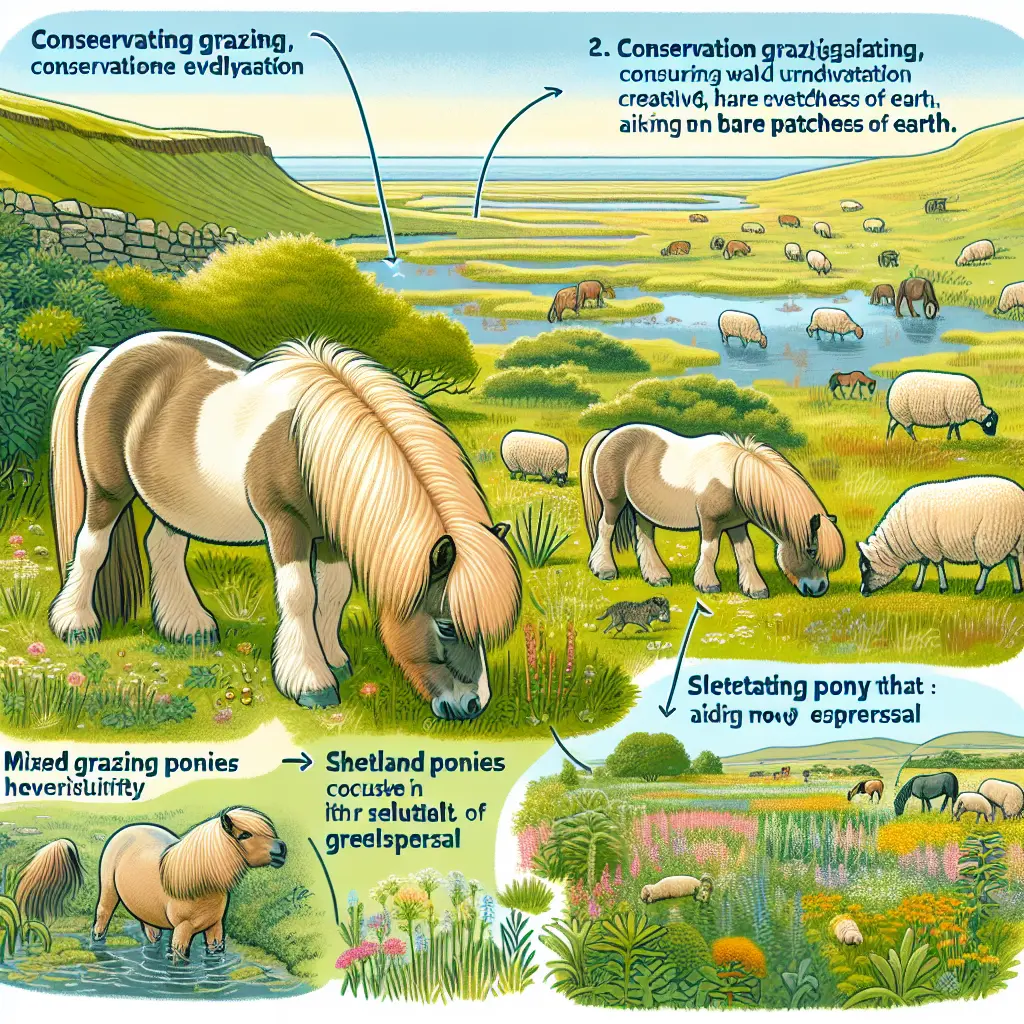
Research indicates that Shetland ponies adapt their grazing patterns based on various factors such as lactation and habitat type. For example, lactating mares graze more intensely than others, helping to maintain optimal ecosystem health by consuming more rough vegetation. Their selective grazing ensures that the biodiversity of grasslands is preserved, preventing dominance by particular plant species.
Impact on Ecosystem Biodiversity
Shetland ponies have a significant role in promoting ecosystem balance. By galumpfing through grasslands, they foster an environment where diverse flora can thrive. This selective grazing is essential for maintaining wildflower meadows and ensuring that no single species of grass or plant takes over, which is crucial for biodiversity.
Mixed Grazing Systems
The practice of mixed grazing combines different species, like ponies and sheep, to optimize habitat management. Shetland ponies contribute to this by offering a varied grazing pattern compared to other livestock. This synergy keeps grasslands healthy and helps mimic natural grazing regimes that the land has adapted to over millennia.
Livestock Management in Modern Settings
In contemporary livestock management, the techniques employed ensure a low environmental impact, with Shetland ponies being at the forefront due to their low maintenance and adaptability. They fit well into sustainable farming practices which aim to reduce the carbon footprint and enhance biodiversity.
Why Choose Shetland Ponies for Conservation Efforts?
The choice to utilize Shetland ponies over machinery or other livestock is conscious. Their lightweight and adaptability mean they can traverse delicate terrains, such as peatlands, without causing damage. Furthermore, their feces enrich the soil, enhancing microbial activity which is vital for nutrient cycling.
Real-World Applications and Success Stories
Across various conservation projects, Shetland ponies have demonstrated their efficacy. In Scotland, projects have integrated these ponies into efforts to maintain heathlands and coastal meadows, which are crucial for various bird species’ survival. Their role in these conservation projects is both practical and iconic.
Case Study: The Peak District
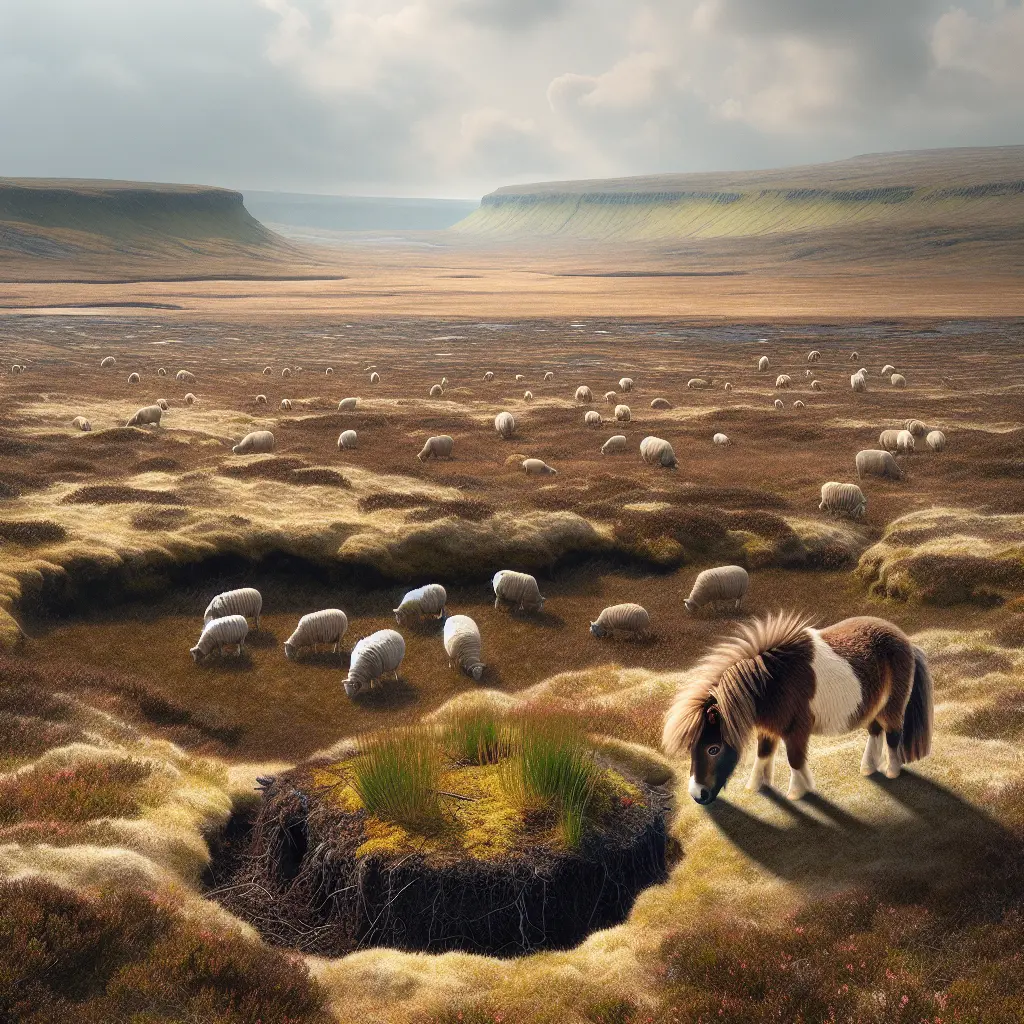
In the Peak District, Shetland ponies have played a significant part in restoring degraded areas to their former lush state. Working alongside local ecologists, these ponies have helped manage vegetation in a manner that brings long-term ecological benefits.
The Future of Grazing and Conservation with Shetland Ponies
With the growing interest in sustainable and environmentally friendly land management practices, Shetland ponies are likely to become increasingly prominent. Their dual role as effective grazers and cultural icons ensures they will continue to be valued in many conservation projects worldwide.
Conclusion
As we seek to balance agricultural development with environmental sustainability, Shetland ponies provide an intersection where tradition meets innovation. Their influence on grazing and livestock management enhances biodiversity and promotes healthier ecosystems. To explore more about the apparel and equipment you might need when engaging in horse riding or conservation activities, feel free to browse Just Horse Riders’ collections like Jodhpurs and Riding Boots.
Through the lens of conservation, the Shetland pony proves that its service to humanity extends beyond its size, fortifying our ecosystems one small hoofprint at a time.