

Navigating the Challenges of Rehabilitating a Horse with a History of Injuries: A Journey Through Trials and Triumphs
Rehabilitating a horse with a history of injuries can be as daunting as a late-night tale told around the campfire. However, it is an essential step in ensuring the horse returns to its healthy, galloping self. Let's embark on this journey filled with challenges, perseverance, and the triumph of overcoming equine adversities.

Understanding the Importance of Rehabilitation
Role of Rehabilitation
Rehabilitation plays a pivotal role for horses recovering from injuries. This process not only aids in their physical recovery but also reduces the risk of relapse and enhances the therapy's overall success. In human healthcare, rehabilitation is a given, yet in equine medicine, it is still blooming into its own. The rise of professional equine rehabilitation centers offers structured and intensive recovery programs (source).
Challenges in Rehabilitation
Early Identification of Problems
The key to a successful rehabilitation lies in the early detection of problems. Routine checks on the horse’s tendons and spinal conditions can prevent possible complications. This proactive approach demands a strong alliance between the horse owner and the veterinarian (source).
Cost and Accessibility
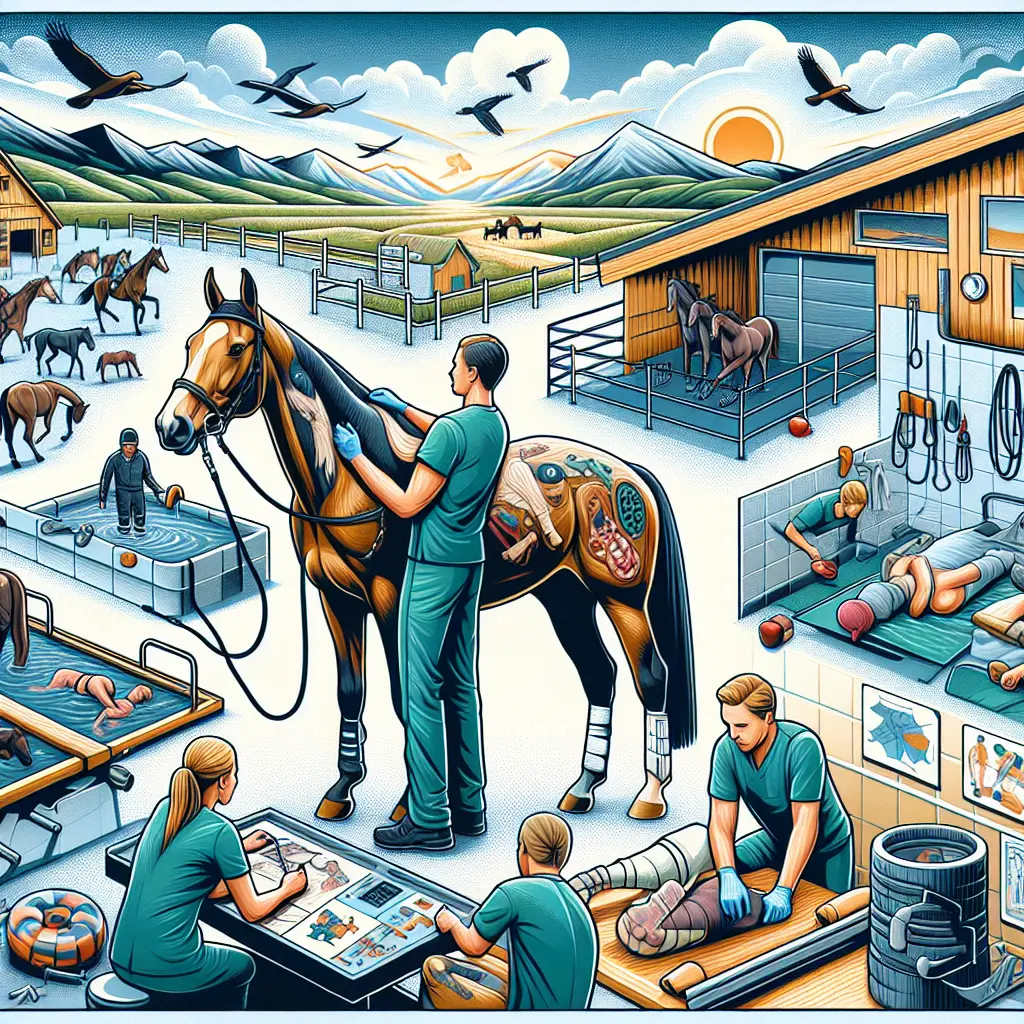
The price tag of properly rehabilitating a horse can be hefty. Many veterinary practices lack in-house facilities, making owners rely on specialized centers. While this may seem like a burden, these centers provide the sophisticated care necessary for successful recovery (source).
Owner Involvement
A crucial piece in the rehabilitation puzzle is owner involvement. Ensuring that owners are well-informed about their horse's progress ensures continuity in care. This collaboration between the owner and veterinary professionals is the backbone of a successful recovery (source).
Success Stories and Lessons Learned
Equine Rehabilitation Success
Take the case of Bercy, a racehorse whose steps back into the limelight tell a story of resilience. Positioned in a professional center and with continuous veterinary support, Bercy's recovery exemplifies the power of structured programs (source).
Adoption and Rehabilitation
Not all heroes wear capes; some trot on four legs. Equine rescues significantly help rehabilitate horses with injury histories. Although adoption rates vary, successful rehabilitation boosts the chances of finding these noble creatures a new home (source).
Factors Influencing Rehabilitation Success
Geographical Factors
The geographical location of a rehabilitation center isn't just for show; factors like climate and resource availability significantly impact its success. Moreover, local regulations can either be a boost or a bump in the journey (source).
Economic Factors
While love might not cost a thing, equine rehabilitation does. The region's economic landscape plays a vital role in affecting the success rate of rehabilitation programs. The cost of services and general economic stability are among the influential factors (source).
Tips for Successful Horse Rehabilitation
Professional Guidance
Working hand in hand with veterinary professionals is crucial. Veterinary involvement ensures that adjustments to the rehabilitation plan can be made swiftly, while regular check-ups prevent issues before they snowball (source).
Owner Education
Knowledge is power. By educating themselves on the rehabilitation process, horse owners can provide consistent and effective care at home. Creating a supportive and stress-free environment is a vital component of the horse's recovery journey (source).
Rehabilitation Techniques
Rehabilitation isn't a one-size-fits-all process. Structured programs that incorporate physical therapy and a careful reintroduction to activities are crucial. Moreover, being adaptable and responsive to a horse's unique response to treatment ensures a tailored and effective recovery (source).
Conclusion
The road to rehabilitating a horse with past injuries is filled with hurdles and victories alike. Understanding the importance of early detection, professional guidance, and owner involvement can dramatically enhance recovery success. Whether it’s through equine rescues or specialized centers, the right approach is your horse's ticket to recovery and vibrant health.
As you embark on this journey, explore our specialized Jodhpur Collection, Horse Riding Boot Collection, and much more at Just Horse Riders. Dive into a world where your equestrian needs are met with expertise and care.