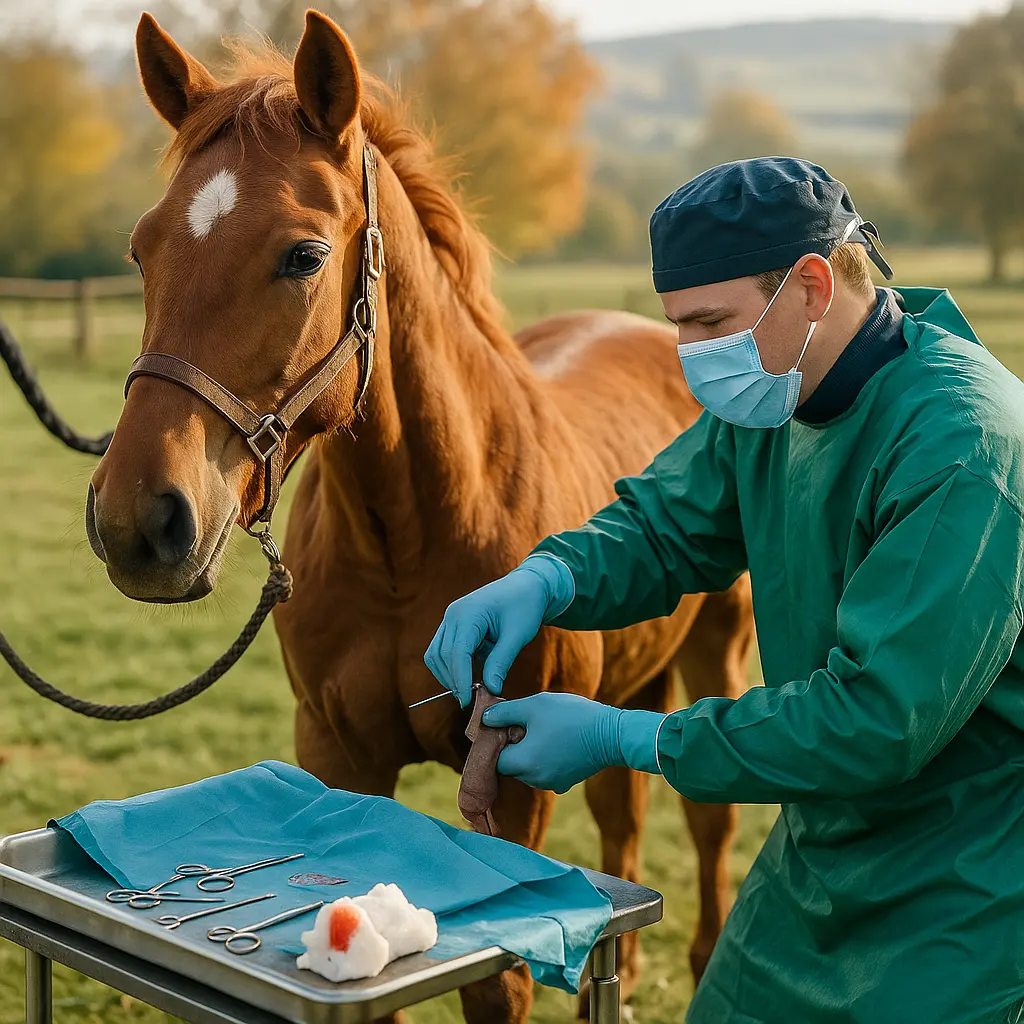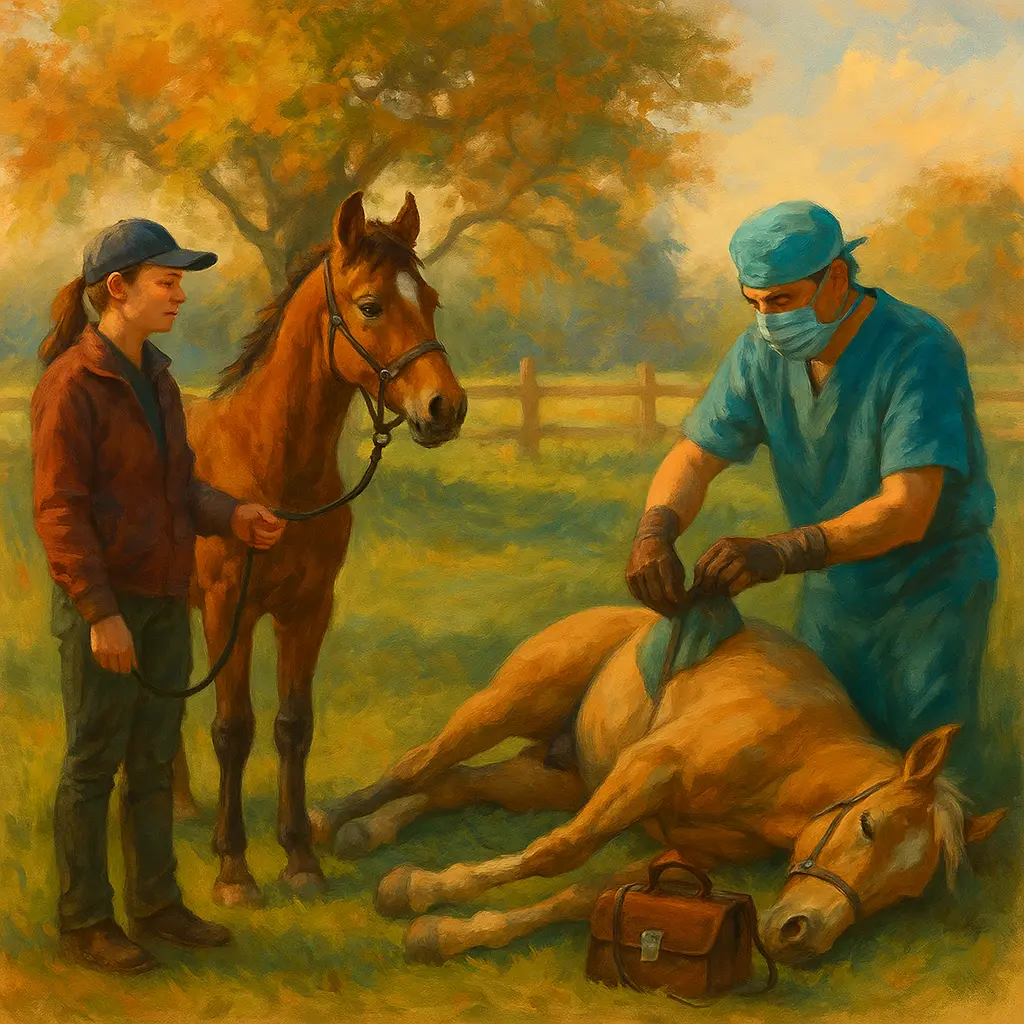
Thinking about gelding your colt and not sure when, how, or how much it will cost in the UK? Getting the timing and aftercare right makes life easier for you, safer for your yard, and kinder for your horse.
Key takeaway: Geld most colts at 6–12 months, budget £100–£200 for standing castration (or £200–£400 under general anaesthesia) plus a £40–£75 call-out, aim for spring or autumn, and allow 4–6 weeks for hormones to clear before rejoining mixed herds.
What does gelding cost in the UK?
In the UK, standing castration typically costs £100–£200, rising to £200–£400 under general anaesthesia, plus a £40–£75 veterinary call-out fee. These prices align with recent owner quotes for riding ponies and colts, where some packages around £200–£210 have even included vaccinations.
Costs vary by practice, location, and what’s included (sedation type, tetanus jab, follow-up visit). Standing sedation is usually the most economical and is commonly used for straightforward, young-colt castrations. If a vet recommends general anaesthesia (GA), expect the bill to roughly double. Remember to account for the standard UK call-out fee on top of the procedure itself.
- Typical standing castration: £100–£200
- Typical GA castration: £200–£400
- Typical call-out fee: £40–£75
Pro tip: Ask your BEVA-registered vet for an itemised estimate so you can compare like for like, and check whether your equine insurance will contribute (keeping in mind the policy excess). If you’re scheduling in spring or autumn, make sure you’ve got suitable turnout rugs for shoulder-season weather in case your vet advises limited turnout during recovery.
When should you geld a colt?
Most vets recommend gelding at 6–12 months if you’re not breeding; aim to complete it by age 2 at the latest for mixed-herd manageability. Early gelding helps avoid ingrained stallion-like behaviour that can persist even after castration.
Veterinary guidance is consistent: once both testicles have descended and your colt is healthy, earlier is generally easier. Horses typically reach sexual maturity at 18–24 months, so delaying until behaviours appear serves no purpose if breeding isn’t planned.
“The most common time to geld a colt is between six and twelve months of age... Recent research has shown that delaying castration past one year of age does create a horse that will have longer term stallion-like behavior.” — Irongate Equine Clinic
“Horses reach sexual maturity between 18 and 24 months of age... As soon as you know that you are not going to keep your colt to breed, there is no reason to wait until he demonstrates stallion-like behavior.” — Horse Illustrated (Vet Advice)
“Six to 12 months is kind of what most vets will do because it’s actually a lot easier the younger they are.” — Dr. Gray, SmartPak Equine
At Just Horse Riders, we recommend you plan well before your colt’s first spring or autumn to book the vet you prefer and secure a weather window that supports a clean, low-stress recovery.
Which season is best for gelding in the UK?
Spring or autumn are ideal in the UK, as cool conditions mean fewer flies and a lower risk of post-op infection and swelling. Winter can be cold, wet and muddy; summer brings intense fly pressure—neither is perfect for an open castration wound.
Experienced UK owners and trainers echo this seasonal advice, with many aiming for a fly-light window and firm ground for safe, controlled post-op exercise.
“Gelding a colt between age 6 mo and 2 yrs is the general window. Either do it in the spring or in the fall…cool weather is best to reduce infection.” — Chronicle of the Horse Forum
Quick tip: If you do need to geld during fly season, be ready with a well-fitted fly rug and repellents for turnout, along with a gentle antiseptic or wound-care spray for daily management from our grooming and wound-care collection.
How old should a colt be and what about descended testicles?
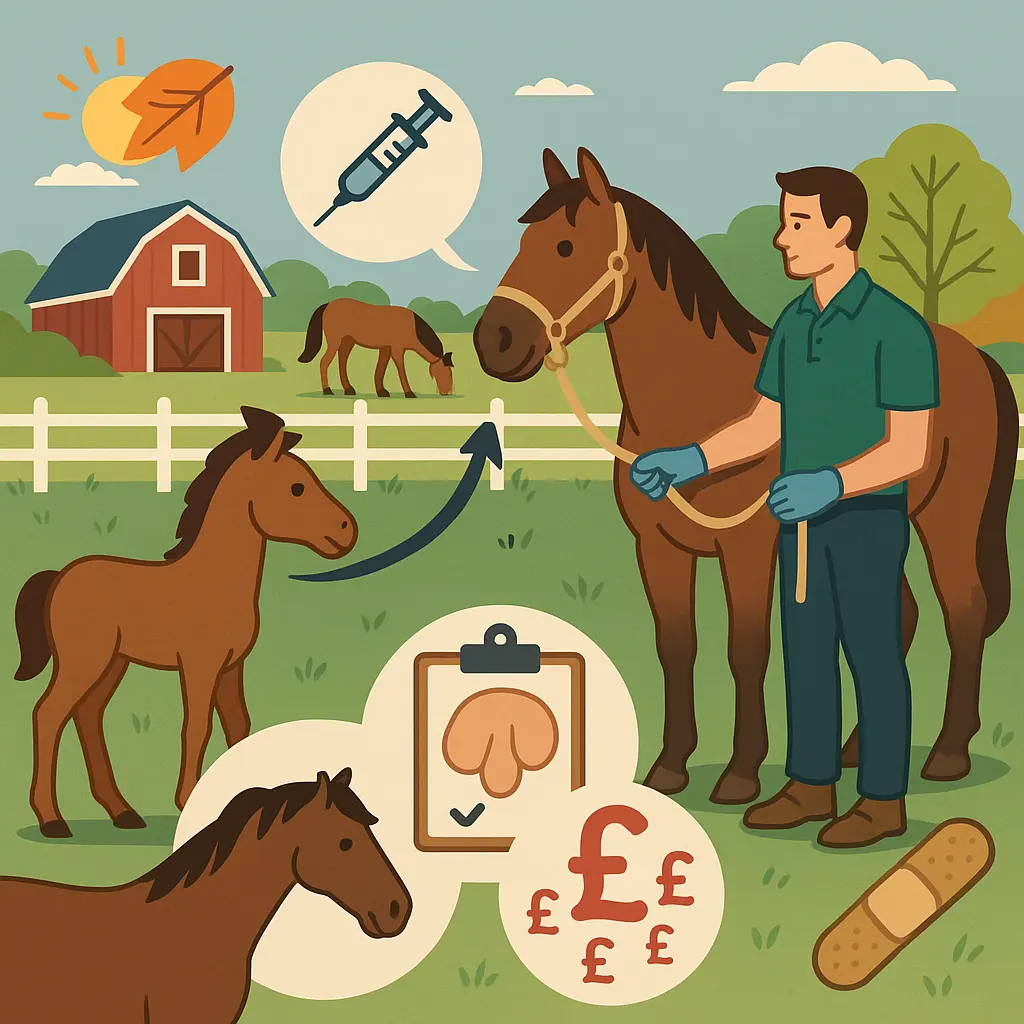
Proceed once both testicles are descended, which is typically by birth; if one or both are not down by 2 years, suspect cryptorchidism that may require referral surgery. Your vet will confirm descent during a pre-op check and advise on the safest approach.
Why it matters: a retained testicle (cryptorchid) often can’t be removed safely via a routine standing procedure. These cases may need general anaesthesia and hospital facilities, which increases complexity, risk and cost. Planning the first veterinary check well before your target date allows time to adjust your plan if descent is incomplete.
For peace of mind, speak to a BEVA-member vet about the likelihood of descent in your youngster and the most appropriate timing. If you’re not breeding, there’s no behavioural benefit in waiting once both testicles are present and your colt is in good health.
Standing sedation or general anaesthesia: which is right?
For most young colts, standing castration under sedation is sufficient, costs £100–£200, and carries a lower risk than GA; general anaesthesia at £200–£400 is reserved for specific cases or vet preference. Your vet will recommend the safest option based on age, temperament, facilities and anatomy.
Standing procedures are commonly performed yard-side with appropriate hygiene and aftercare. GA is more likely where restraint is difficult, the colt is older or larger, there’s a conformation concern, or in suspected cryptorchid cases. In all scenarios, factor in the UK-standard call-out fee of £40–£75 to your total budget.
Pro tip: Ask your vet whether a quiet, clean area with good footing at home will do, or if they prefer a clinic. Clear this early so you can plan turnout, rugs and handling on the day.
Aftercare: the first 4–6 weeks
Expect 4–6 weeks for testosterone to clear; daily checks, controlled exercise and fly/infection control are essential. Light, consistent movement helps reduce swelling, while simple wound hygiene supports healing.
What good aftercare looks like in the UK:
- Controlled exercise: Follow your vet’s advice; gentle, regular movement reduces swelling and encourages drainage.
- Hygiene: Keep the area clean and dry; use a suitable antiseptic or saline as directed by your vet. You’ll find wound-care essentials in our grooming and first-aid range.
- Fly management: Especially vital in summer. Use a breathable fly rug and repellents to protect the incision.
- Swelling support: If your vet suggests support bandaging (e.g., for associated limb swelling), choose well-padded stable bandages and wraps and check fit daily.
- Hydration and recovery: As exercise resumes, top up fluids and electrolytes via your horse’s normal diet; explore targeted options in our supplements and electrolytes.
Behaviourally, don’t be surprised if your newly gelded horse still shows interest in mares for a few weeks—testosterone must clear from the system. Keep him separate from mares initially and monitor daily for swelling or discharge in line with veterinary guidance.
At Just Horse Riders, we also suggest having a lightweight, waterproof layer ready for unsettled UK weather. Brands like WeatherBeeta make reliable transitional pieces that help you manage turnout comfortably without overheating the recovering horse.

Integrating into a mixed herd safely
Wait 4–6 weeks post-gelding before introducing to mares; this allows hormones to settle and reduces the risk of stallion-like behaviour. Early gelding (by age 2) also improves long-term herd manageability.
Reintroduction tips:
- Start over the fence so you can read body language without contact.
- Choose a calm companion first, then scale up to the full herd once behaviour is steady.
- Avoid crowded gateways and tight spaces in the early days.
Quick tip: If your yard is busy, plan the first turnout at a quiet time of day and pop a breathable turnout rug on if the weather turns—keeping your horse comfortable reduces fidgeting and helps you focus on behaviour.
How to plan and budget: a quick UK checklist
Book a BEVA-registered vet, aim for spring or autumn, confirm both testicles are down, and budget £140–£475 including call-out. Build a simple aftercare kit and set aside 4–6 weeks for hormones to clear before mixing with mares.
- Decide early: If you’re not breeding, target 6–12 months.
- Season: Prefer spring or autumn to cut fly pressure and infection risk.
- Vet check: Confirm both testicles are descended; discuss standing sedation vs GA and facilities.
- Budget: Standing £100–£200; GA £200–£400; call-out £40–£75; vaccines as advised.
- Aftercare kit: Antiseptic/wound spray (grooming & first-aid), fly rug and repellents, optional stable bandages, and electrolytes for exercise days.
- Yard plan: Quiet handling space, clean footing, safe turnout, and a stepwise reintroduction to the herd.
- Save smart: Check our Secret Tack Room clearance for seasonal essentials and replacements.
The British Horse Society (BHS) and British Equine Veterinary Association (BEVA) both emphasise working with qualified professionals; use their guidance and your vet’s instructions as your standard. Once recovered, a gelded horse typically fits more easily into UK livery environments, riding schools and mixed herds—making everyone’s life simpler.
FAQs
Is 2.5 years too late to geld a colt in a mixed herd?
No, but aim to geld by age 2 if possible to reduce ingrained stallion-like behaviours and make herd life safer. You can still geld at 2.5; allow 4–6 weeks post-op before mixing with mares and monitor behaviour closely.
What’s the typical UK cost to geld a colt?
Budget £100–£200 for standing sedation and £200–£400 for GA, plus a £40–£75 call-out fee. Some practices quote ~£200–£210 for ponies/colts, occasionally bundling vaccinations—ask for an itemised quote.
When do colt testicles fully descend?
Usually by birth or shortly after. If both haven’t descended by 2 years, your vet will suspect cryptorchidism, which may need a more complex procedure under GA.
Does early gelding affect growth or appearance?
Yes. Without testosterone, growth plates tend to close later, so geldings often grow a little taller and may develop less stallion-like musculature. Some owners wait for a more mature look, but if you’re not breeding, 6–12 months remains the practical window.
How soon after gelding can a horse join a mixed herd?
Wait 4–6 weeks to allow testosterone to clear and behaviour to settle. Reintroduce gradually, starting over the fence and building up to full turnout with mares.
What’s the best season to geld in the UK?
Spring or autumn for cooler weather and fewer flies. If you must operate in summer, prioritise fly control with a good fly rug and repellents.
Is standing sedation safer than GA?
For routine young-colt castrations, standing sedation is typically lower risk and cheaper than GA. Your vet will advise which approach is safest for your horse based on temperament, anatomy and facilities.
Ready to plan? Line up your vet, pick a cool-weather window, and prep your aftercare kit with essentials from our curated ranges, from wound-care sprays to fly rugs. Your future, easier-to-manage gelding will thank you.