

Exploring the Impact of Prize Distribution in Dressage Competitions: A Boost or Letdown for Amateur Riders?
Dressage, often described as the highest expression of horse training, attracts riders across various levels, from amateurs to elite professionals. One key aspect influencing the experience and ambitions of these riders is the distribution of prize money at competitions. Understanding how prize money affects amateur dressage riders sheds light on whether current systems encourage broader participation or unintentionally alienate this essential community segment.
Prize Money in Dressage: Context and Scale
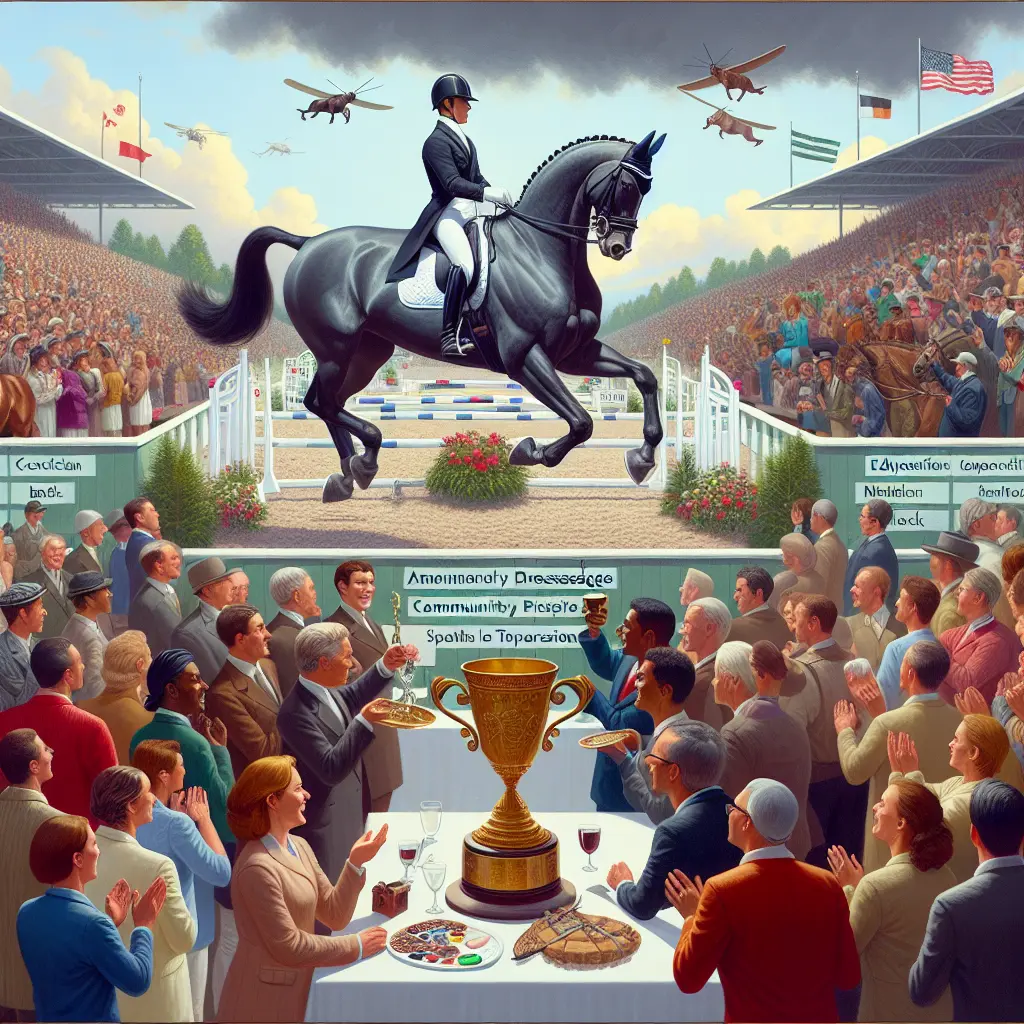
Unlike more commercially popular equestrian disciplines like showjumping, dressage generally offers smaller prize purses. Though the 2024 FEI World Cup Dressage Final in Riyadh featured a substantial prize pool of €400,000—up by €100,000 from the previous year—it still pales compared to the €2.6 million awarded at the showjumping World Cup final. Other top-tier events like the World Equestrian Festival in Aachen, Germany, distributed around €130,000 for high-level Grand Prix Freestyle classes, while prestigious CDI4* and CDI5* competitions have minimum prize money requirements of 24,000 CHF and 90,000 CHF, respectively.
How Prize Money is Distributed
Prize money distribution follows a percentage-based model, where the total pot corresponds proportionally to the number of starters and entry fees, with distribution typically reaching only a fraction of participants. At lower-level British Eventing dressage phases, for example, 1 in 8 riders can expect prize money at BE80 to BE105 levels, increasing to 1 in 5 at the advanced level. The FEI mandates that at least 25% of participants receive prize money, with a minimum provision for 5 prizes if there are fewer than 20 riders.
Impact on Amateur Riders: Boost or Letdown?
The prospective impact of prize distribution on amateurs can be viewed from multiple angles:
Boosts for Participation and Progression
- Motivation and Achievement: For many amateurs, modest prize money is both a validation of their efforts and a practical help towards covering competition costs. Winning or placing in prize money can incentivize further development and deepen commitment.

- Recognition and Exposure: Besides financial rewards, prizes often include valuable gear, trophies, and recognition that enhance a rider’s profile and experience.
Challenges and Potential Letdowns
- Limited Financial Support Relative to Costs: Dressage competitions involve significant expenses—training, coaching, horse care, travel, and entry fees. Smaller prize purses often do not offset these costs effectively, leading some amateurs to view prize money as insufficient or inconsequential.
- High-Level Prize Money Inequity: The large disparity between top international and national or amateur-level prize money may reinforce a perception that dressage is predominantly an elite sport, potentially discouraging newcomers who see limited financial pathway or reward.

- Distribution Concentration: Since prize money goes mostly to top finishers (25% or fewer), many amateur riders who invest heavily still receive no monetary return, which can feel like a letdown.
Supporting Participation Beyond Prize Money
Amateur riders benefit from additional forms of support that extend beyond prize money:
- Sponsorship and Grants: Some organizations and sponsors provide financial or in-kind support that otherwise might not come from prize money alone.
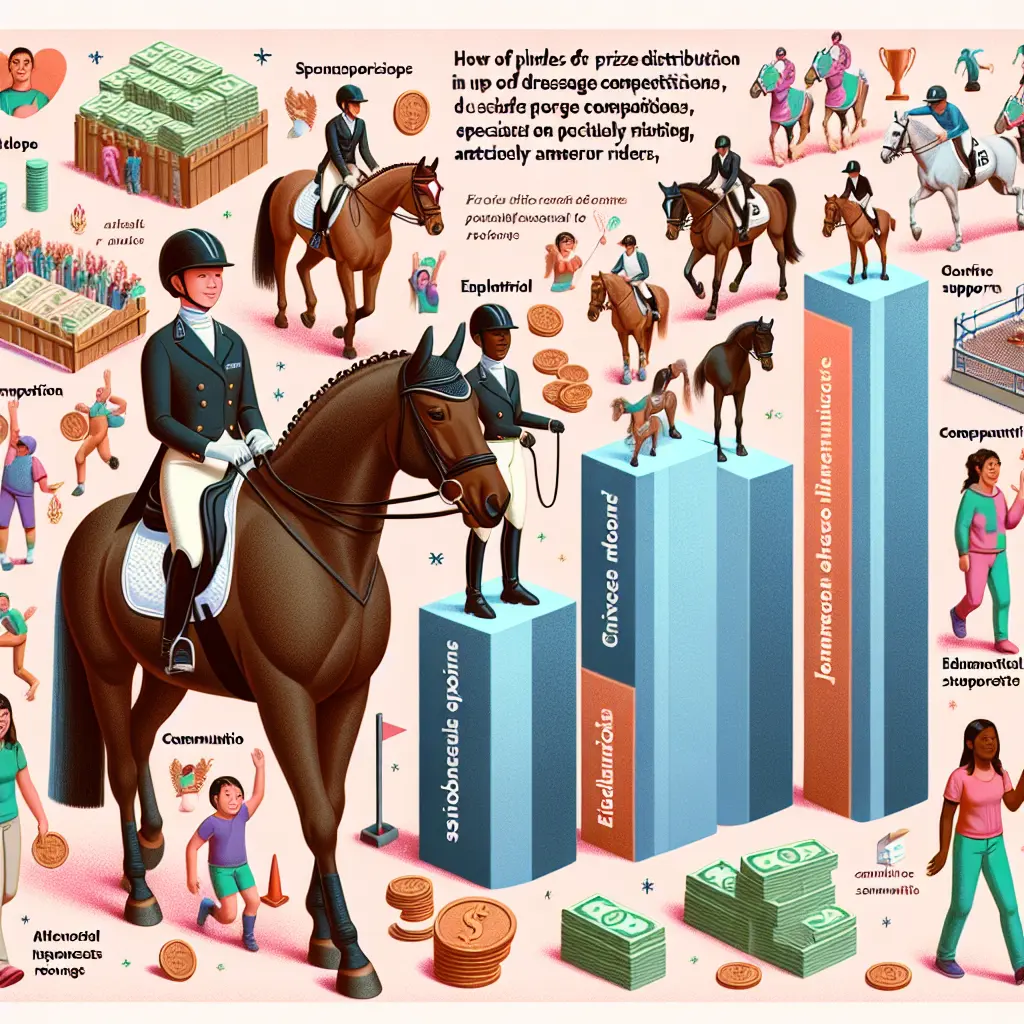
- Community and Education: Clinics, schooling shows, and mentorship programs bolster amateur engagement even if prize money is not significant.
- Recognition Programs: Titles, qualifications, and rankings contribute to rider motivation and can open doors to sponsorships or team opportunities.
Data-Driven Insights and Reader Takeaways
- Prize pools at high-profile events have increased but remain small relative to costs for most amateurs.
- Competitions distribute prize money to roughly the top 25% of finishers, which may motivate high placement but leaves many without direct financial return.
- Amateur riders often rely on a combination of prize money, sponsorship, and personal investment to sustain participation.
- Greater prize money at lower levels or more evenly distributed payouts could better support amateurs and encourage growth in dressage participation.
Final Thoughts
Prize money in dressage serves as both a boost and a challenge for amateur riders. While rewarding top performers and enhancing the sport’s visibility, current distribution patterns and relative prize size can limit broader financial accessibility. For dressage to flourish at all levels, ongoing evaluation of prize structures, combined with expanded support mechanisms, is essential to ensure amateur riders feel valued, motivated, and able to pursue their passion sustainably.