

Enhancing Equine Comfort: Mastering Mud with Sand or Wood Chips on Control Mats
Horse lovers worldwide understand the pivotal role of maintaining healthy environments for their equine companions. Among the numerous concerns, controlling mud in paddocks emerges as a top priority. The age-old debate about whether sand or wood chips on mud control mats optimizes this process remains at the forefront. Let's dive into this subject, uncovering the secrets to keeping muddy areas under control and enhancing equine comfort.
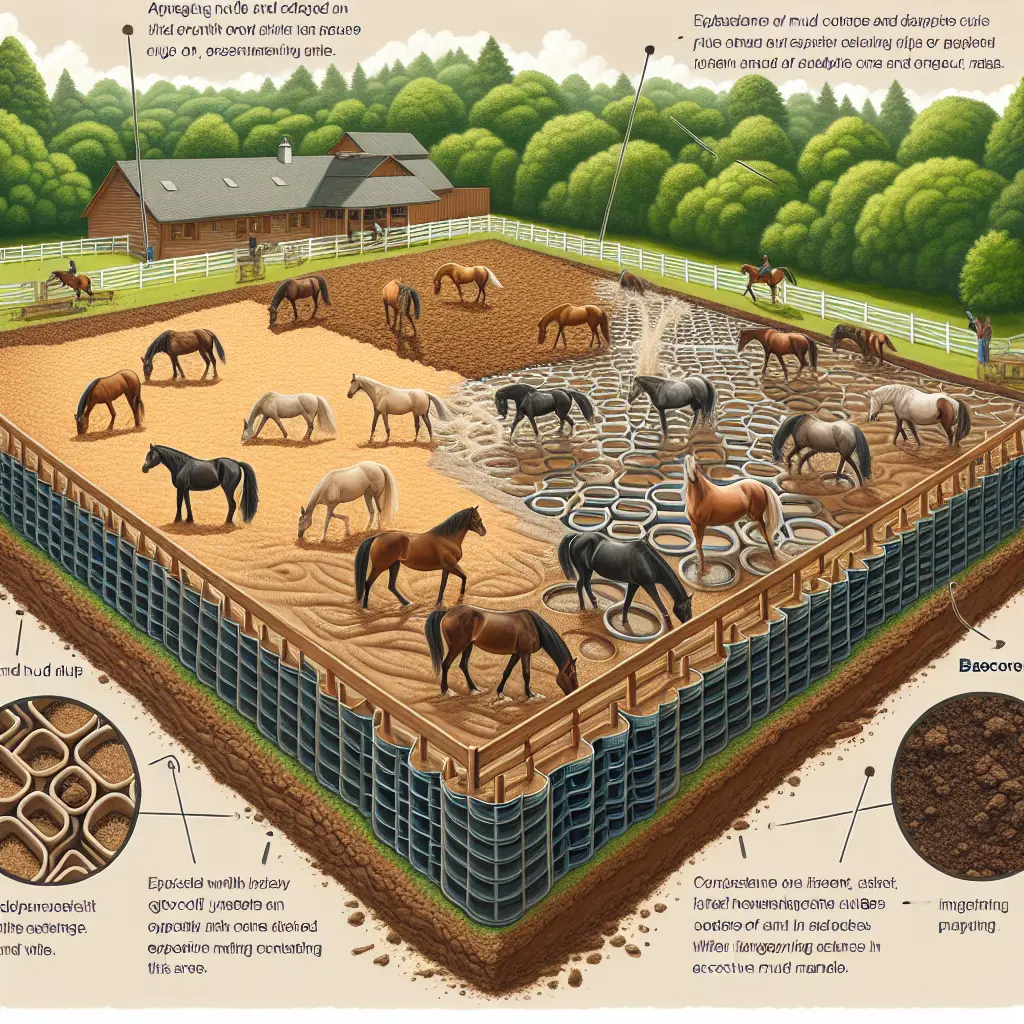
The Basics of Mud Control Mats
Mud control mats are specially designed surfaces that serve to prevent mud buildup in horse environments. These remarkable mats enhance hoof health by offering a dry, stable footing, minimizing the risk of slips and injuries. Their structure boasts permeable grids, promoting effective water drainage. An example is the HIT Paddock Mats, which feature raised profiles that offer firm grip and efficient drainage, turning muddy areas into safe, firm surfaces.
Why Controlling Mud is Crucial for Equine Health
Excessive mud is more than just a cleaning hassle; it poses significant risks to horse health. The damp, anaerobic conditions foster diseases like thrush, hoof abscesses, and white line disease. Notably, unstable footing due to muddy surfaces can lead to increased chances of slips and injuries. Thus, maintaining dry, stable grounds is essential for safeguarding equine health.
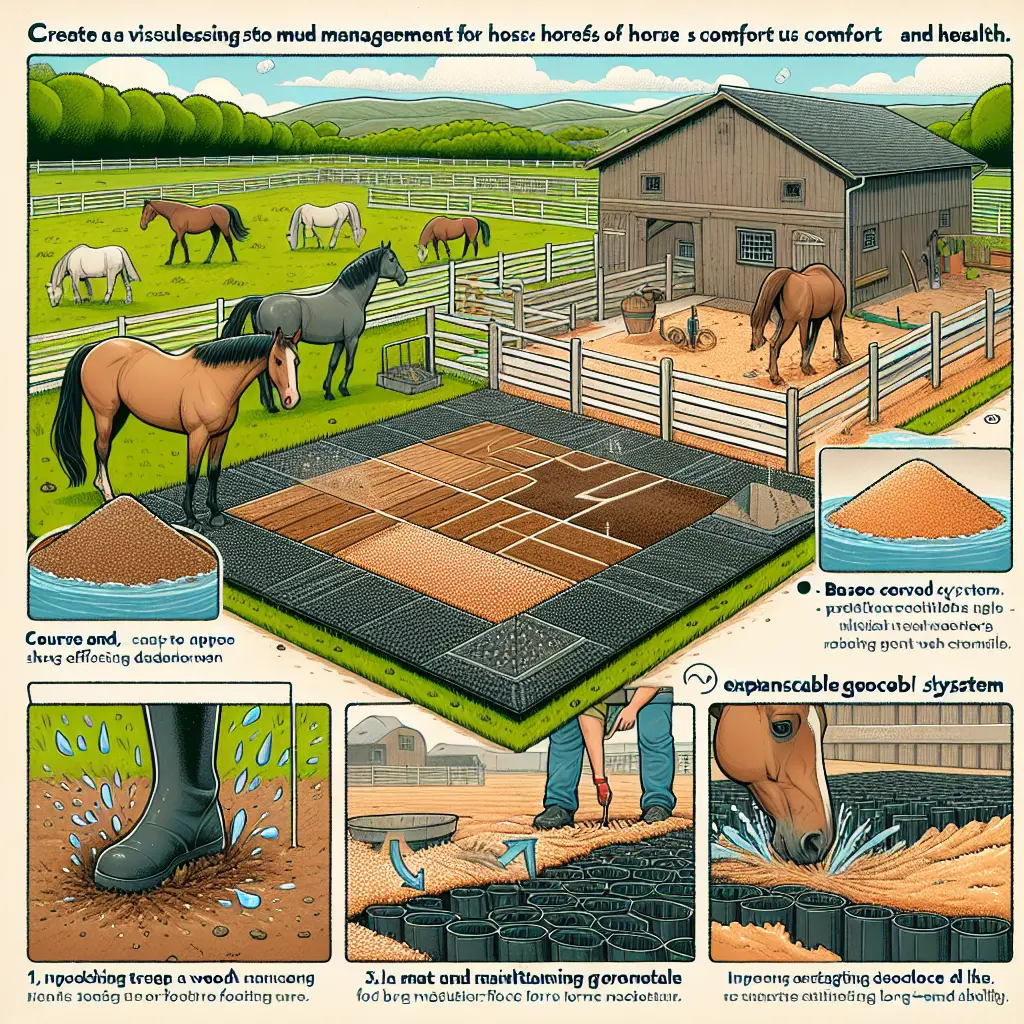
Comparing Sand and Wood Chips on Mud Control Mats
Horse owners often debate whether to use sand or wood chips atop mud control mats, with each material boasting distinct properties.
Drainage and Moisture Control
Sand: Generally offers excellent drainage, especially when coarse sand is used, allowing water to filter through quickly. This reduces surface moisture, creating a less inviting environment for bacteria.
Wood Chips: Moderately porous, these can retain moisture longer, potentially leading to damp conditions if not managed efficiently.
Footing Stability
Sand: Known for firm, dense footing, sand performs best with mats that prevent it from sinking, thus providing exceptional stability.
Wood Chips: Providing a softer, cushioned walking surface, wood chips can compress and degrade, requiring frequent replenishment.
Hoof Health Considerations
Sand: When kept dry, sand is less likely to harbor bacteria. However, very fine sand can compact and trap moisture, potentially leading to hoof issues.
Wood Chips: Being organic, these can harbor microbes if they remain wet. Regular drying and replacement strategies are essential to prevent health issues.
Expert Insights and Best Practices
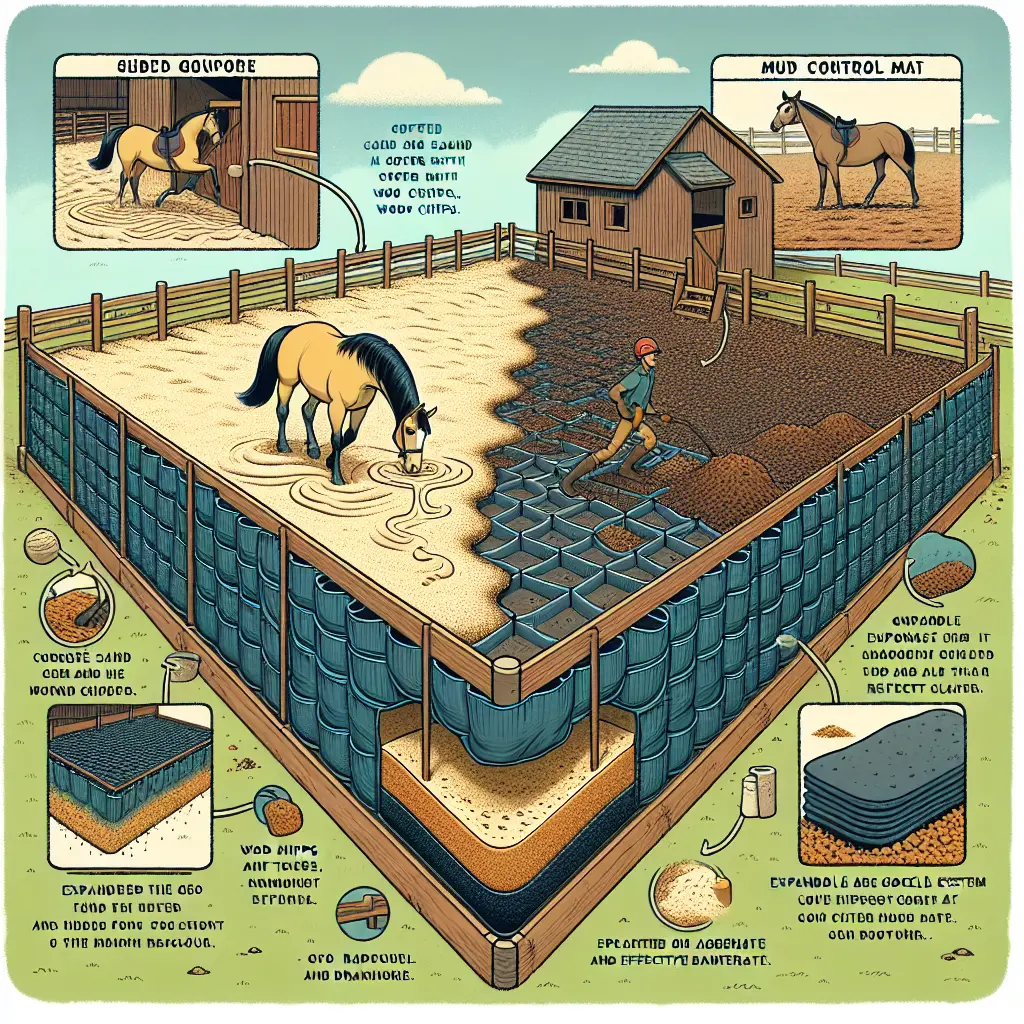
Experts recommend Expandable geocell systems like BaseCore, coupled with aggregate or sand, for unparalleled long-term stability and mud reduction. According to studies, this combination can reduce mud-related health issues by up to 68% post-installation.
Wood chips, while providing added cushion, demand more maintenance and can introduce dampness if not regularly replaced and dried.
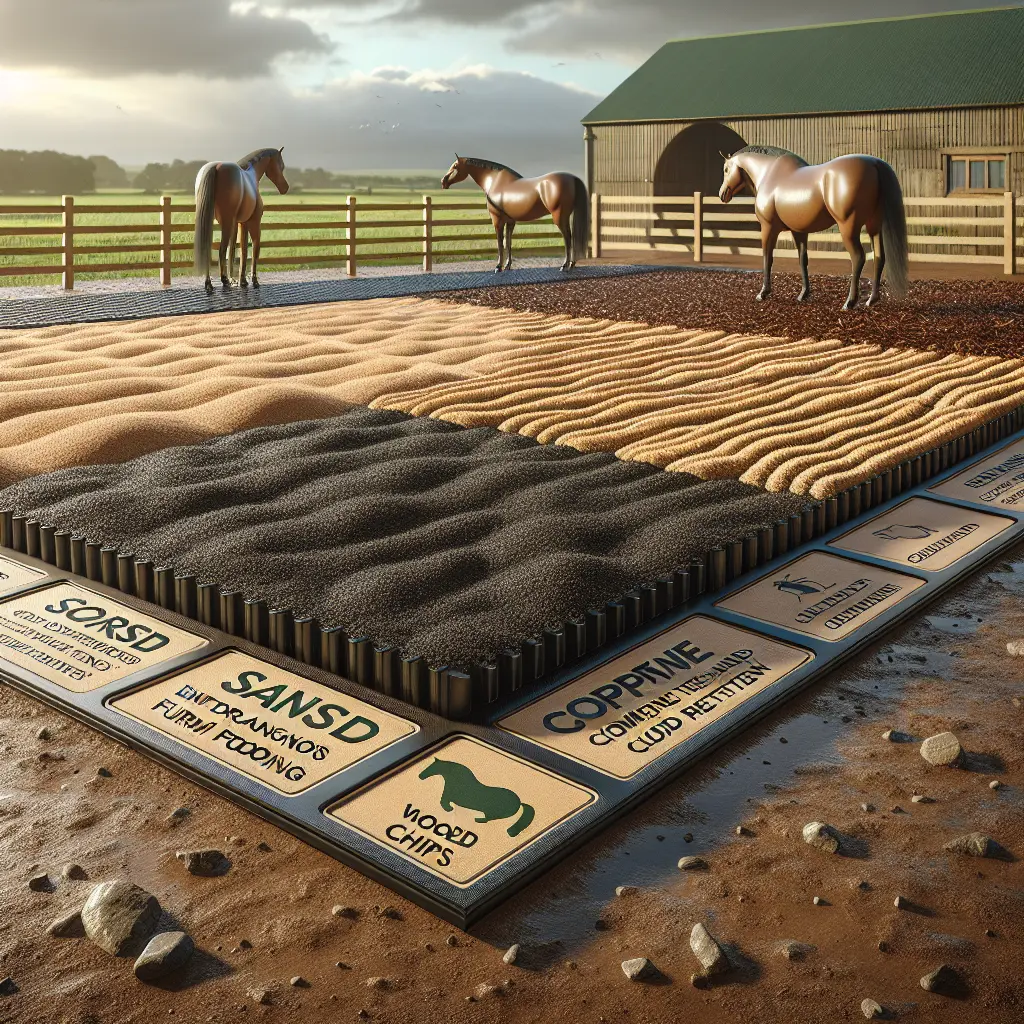
Complementing Mat Systems
HIT Paddock Mats emphasize hoof grip and water drainage. It's crucial to pair these mats with a top layer that supports these features. Sand’s stability aligns perfectly, whereas wood chips may compress and shift, risking the mat's drainage efficacy.
Practical Tips for Horse Owners
- Choose coarse sand or gravel over fine sand or organic materials to promote drainage and avoid compaction.
- Ensure proper slope and drainage when laying mats to facilitate runoff and preserve surface dryness.
- Regularly inspect and maintain footing materials; wood chips require seasonal replenishment, while sand might need periodic leveling.
- Blend mud mats with strategic paddock designs, incorporating shelter and dry zones, to naturally minimize mud formation.
Conclusion: Selecting the Optimal Solution
While both sand and wood chips serve roles in equine mud management, sands and aggregates on quality mud control mats offer superior drainage, footing stability, and hoof health protection. Wood chips, although comfortable, are maintenance-intensive and prone to moisture retention. Investing in well-engineered mud mats like HIT Paddock Mats or BaseCore systems with appropriate sand toppings ensures effective mud reduction and enhanced equine comfort, promoting long-term horse health and stable cleanliness.
Explore the best gear to accompany your seasoned and budding equestrians at Just Horse Riders. Dive into their extensive Jodhpur Collection, Riding Boots, and ensure nourishment with their Everyday Horse Vitamins & Supplements.