

How to Start Interval Training for Horses: A Beginner's Guide
Interval training for horses is like giving your equine friend a *carrot-flavored energy drink*—it boosts their fitness, keeps them engaged, and prevents injuries. But how exactly does one begin this magical routine? Whether you are new to horse riding or a seasoned equestrian expert, knowing the basics and benefits of interval training can elevate your horse's performance and health.
What Is Interval Training for Horses?
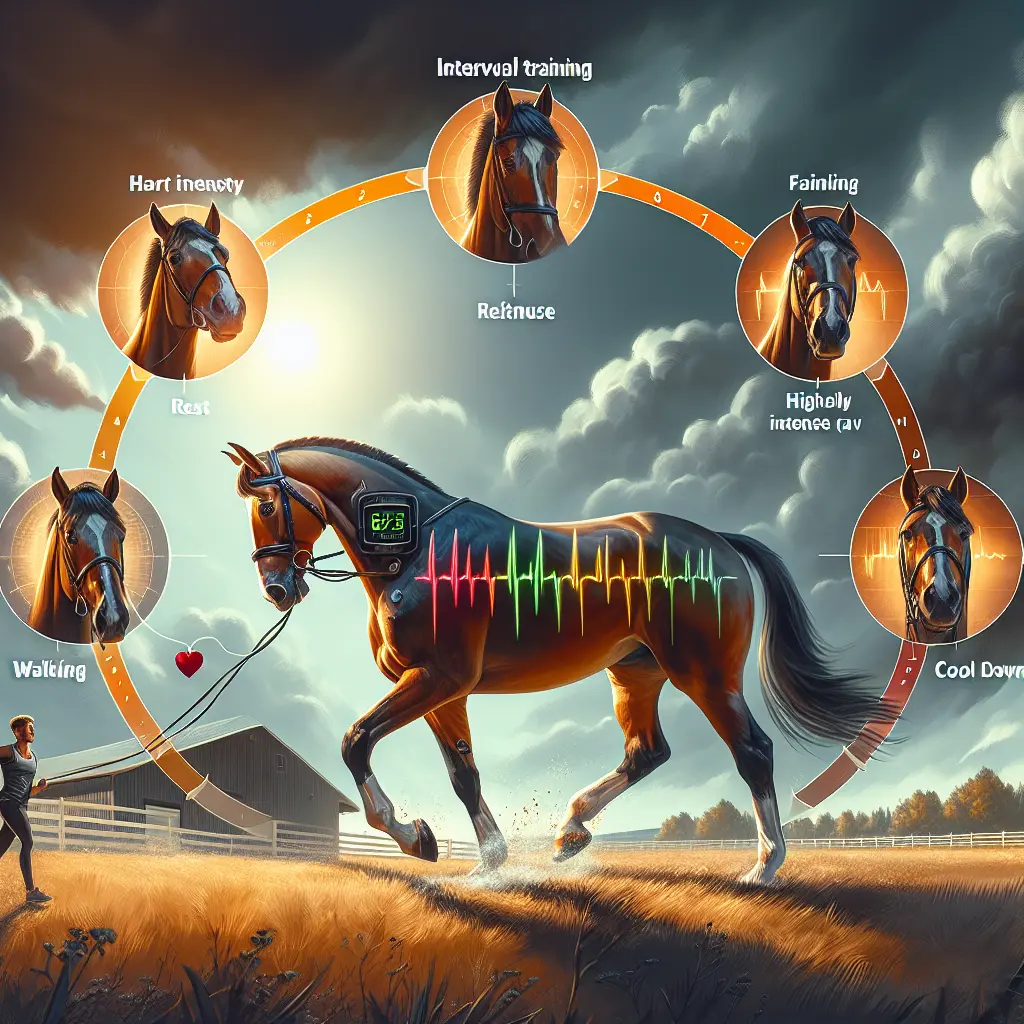
Interval training is a structured session designed around alternating short bursts of *high-intensity exercise* with recovery periods. It’s like a dance with effort and rest, aiming to improve your horse’s heart and lung capacities, strengthen muscles, and enhance overall fitness without overexertion. In essence, it's a full-equine workout plan with all the drama of a Netflix series!
Why Choose Interval Training?
- Improves cardiovascular fitness: The pattern of intense effort followed by rest is excellent for strengthening your horse’s heart, ultimately enhancing *oxygen delivery* to vital tissues.
- Builds muscular endurance: Essential for eventing, endurance, or racing as it helps develop stronger muscles.
- Prevents boredom and injury: You wouldn’t want your horse to yawn through its trot, right? Interval training keeps workouts varied and reduces the risk of *physical strain*.
Before You Start: Assess Your Horse’s Fitness and Health
Start with a veterinary consultation to ensure your horse is fit enough for increased intensity. Remember, some horses—especially heavier breeds like warmbloods—might require a more *gradual introduction* to the regimen. Everyone deserves a fair chance at fitness, including your four-legged friend.
Step-by-Step Guide to Starting Interval Training
- Prepare with a solid foundation: Ensure your horse is comfortable with basics like walking, trotting, and cantering before adding intervals. It’s like learning the alphabet before writing a novel.
- Warm-up adequately: Start with 10-15 minutes of active walking. This isn't a lazy Sunday stroll; the goal is to loosen those muscles and prep the cardiovascular system.
- Design your interval sessions: Based on your horse’s fitness and goals, alternate high-intensity cantering or galloping with *recovery periods* of slow trots or walks.
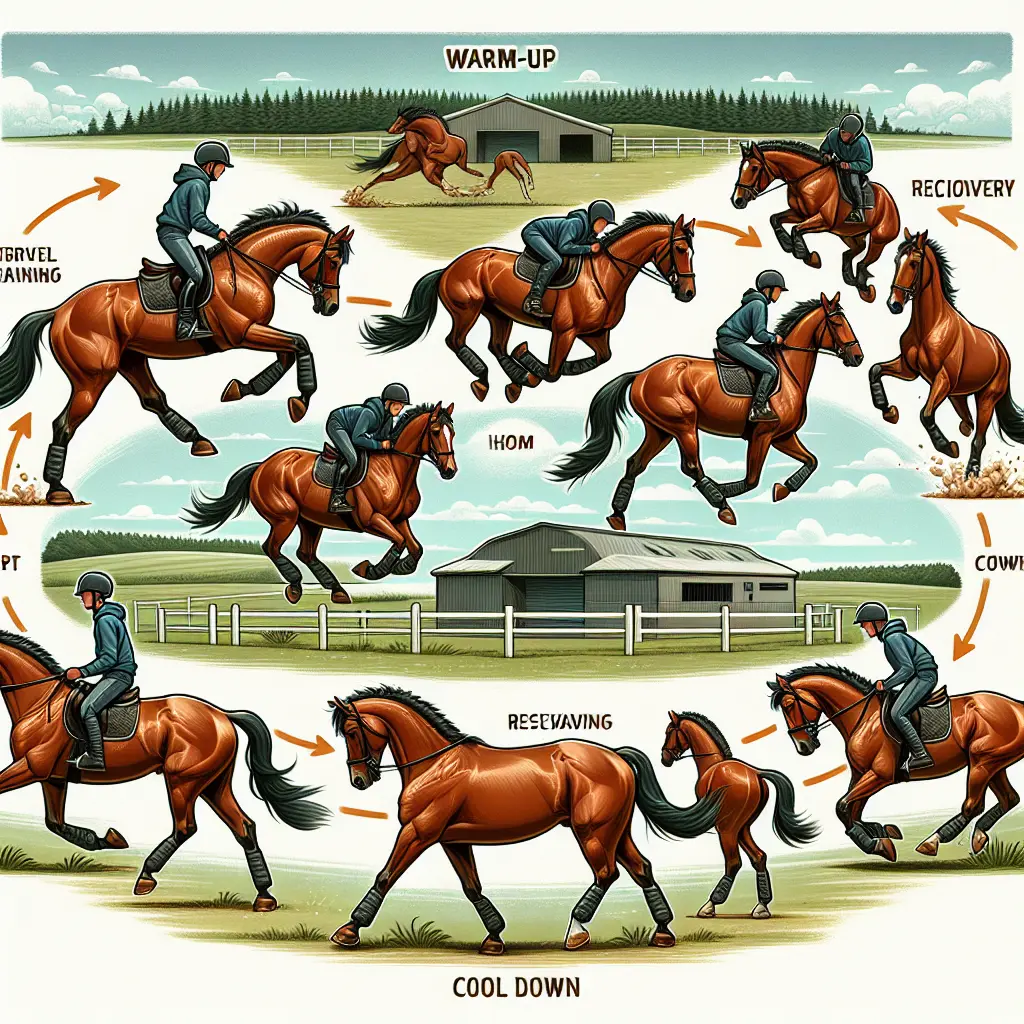
For beginners, start with 1-2 minutes of cantering, followed by 5 minutes of walking or trotting. Repeat this sequence a few times and monitor progress.
Monitor Key Indicators
Track your horse’s speed and heart rate during workouts. Think of it as a health checkup on-the-go. Consider using a heart rate monitor or fitness tracker] for precise measurement and adjust based on response.
Adjust Based on Response
Gradually build up intensity, listening to your horse’s feedback. If your horse appears fatigued or unhappy (a sour face tells all), reduce the intensity or session duration. Remember, it’s about consistency, not just adrenaline-pumping action!
Cool Down Properly
End each workout with a 10-15 minute cool-down walk. This helps relax muscles and aids recovery. Imagine it as the horse equivalent of unwinding with a cup of tea after a long day.
Where Can You Do Interval Training?
- Arenas: Ideal for controlled distances and speeds, offering a safe space for structured sessions.
- Gallops or tracks: Perfect for cantering or galloping bursts.
- Fields or bridleways: Opt for locations with safe footing and ample space to avoid any spontaneous obstacle courses.
Important Considerations and Tips
| Aspect | Details |
|---|---|
| Breed and Type | Heavier horses require longer recovery and slower progression than Thoroughbreds. |
| Frequency | Include interval training once a week as part of a comprehensive exercise regime. |
| Heart Rate Guidelines | Monitor heart rate to gauge intensity. A fit horse's heart rate recovers faster during rest. |
| Avoid Overtraining | Watch for signs of fatigue and adapt sessions to maintain both safety and effectiveness. |
Sample Beginner Interval Training Session
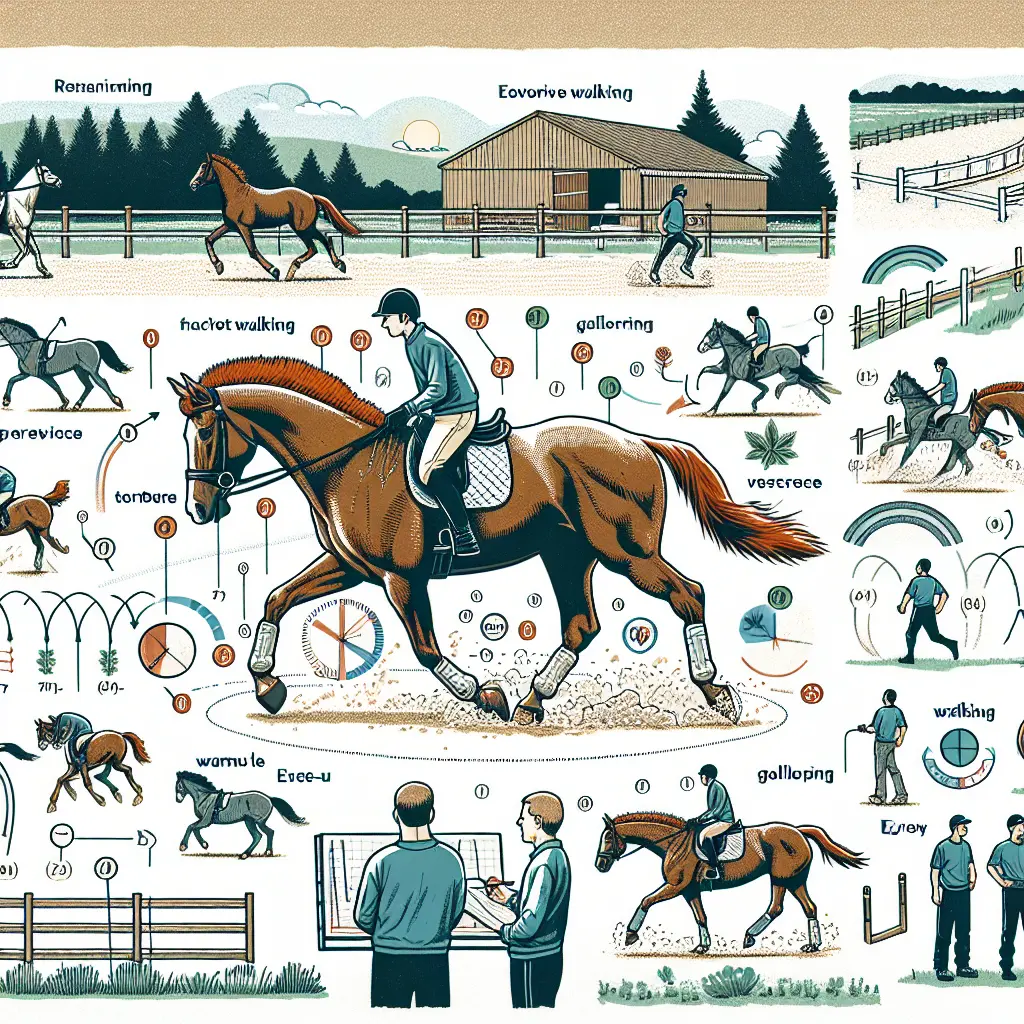
- 15 minutes active walk (warm-up)
- 3 minutes trot
- 2 minutes working canter (higher intensity)
- 1 minute walking recovery
- Repeat canter and walk intervals 3 times
- 10-15 minutes walk (cool-down)

Final Thoughts
Interval training is not just a regime; it’s a journey towards optimized health and performance for your horse. By focusing on step-by-step progress, safe practices, and ongoing monitoring, you can enhance your horse’s fitness while keeping its wellbeing front and center. Now, take that first step and design the ideal interval training program for your equine companion—it's a decision they might thank you for, even if they won't say it aloud!
Explore Jodhpur Collection, Horse Riding Boot Collection, and more at Just Horse Riders to equip yourself for every ride.