

Preparing Your Horse for Winter: Essential Tips for Horse Owners
As the temperature drops and winter approaches, ensuring your horse's health and comfort becomes a priority. Winter is a challenging season for horse owners, with the increased risk of Fecal Water Syndrome and other cold-weather-related health issues. In this comprehensive guide, we'll explore the best practices to prepare your equine companion for the chilly months ahead.
Understanding Fecal Water Syndrome
Fecal Water Syndrome (FWS) is a condition where horses pass loose manure with separated water content. Although the exact cause is still under investigation, factors such as gut health disturbances, antibiotic use, and dietary changes have been linked to FWS. To support your horse's digestive health and mitigate FWS risks during winter, consider the following tips.
Maintain Consistent Forage Intake

Providing a consistent intake of forage is crucial. Horses generate internal heat through hindgut fermentation of fiber, making high-quality hay an essential component of their winter diet. Aim to feed your horse about 1.5–3% of its body weight in forage daily to support digestive health and reduce FWS risks. Equus Magazine emphasizes the importance of increased hay rations during the colder months.
Encourage Adequate Water Consumption
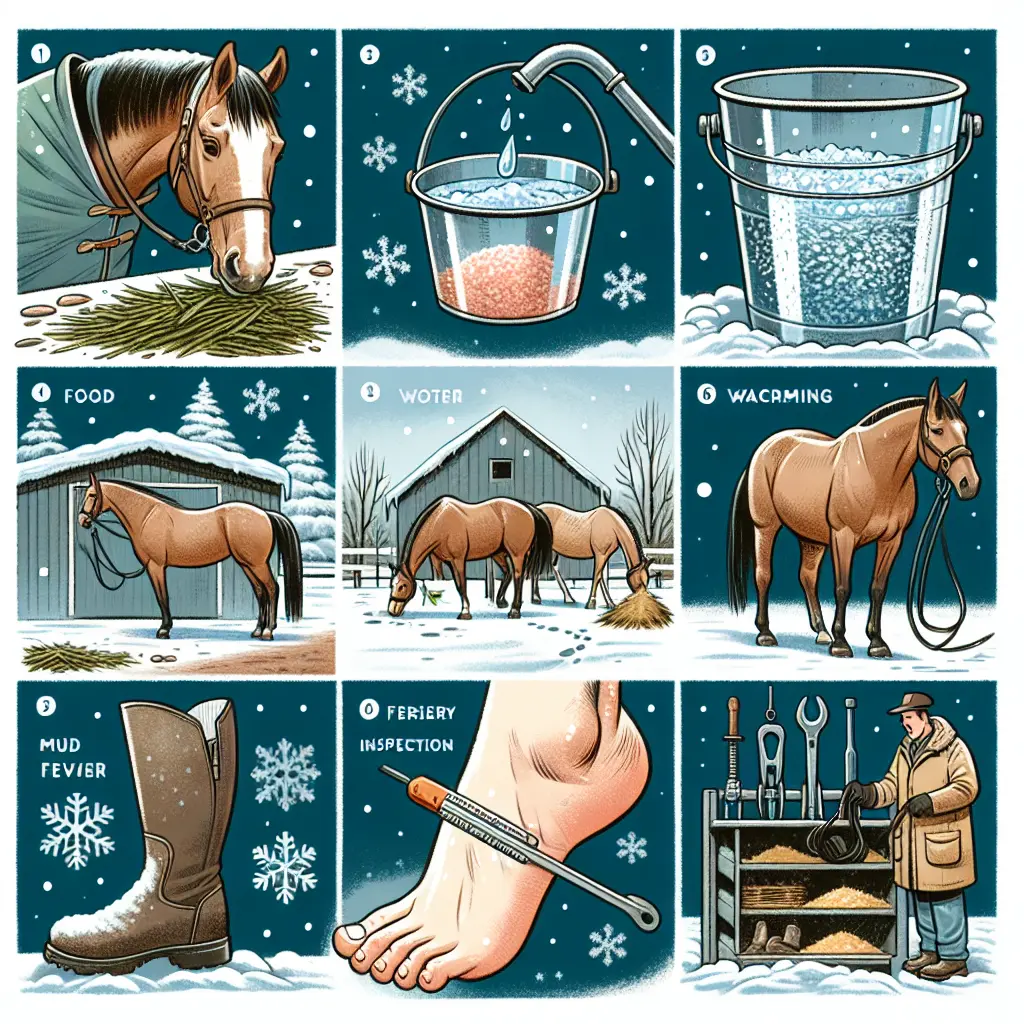
In winter, horses tend to drink less, heightening the risk of impaction colic and gut disturbances. Ensure fresh, ice-free water is always available by regularly checking and breaking the ice on troughs. To stimulate drinking, offer warm water and consider adding salt to feed, which encourages thirst. According to Mad Barn, these strategies are crucial for maintaining hydration and digestive health.
Monitor and Adapt Your Horse's Diet Carefully
Abrupt changes to your horse's diet can disrupt gut flora and lead to digestive issues. Rather than introducing new feeds suddenly, warm existing feed with hot water to enhance palatability without causing digestive upset. This gradual approach helps your horse adjust to dietary changes more smoothly.
Regular Health Checks
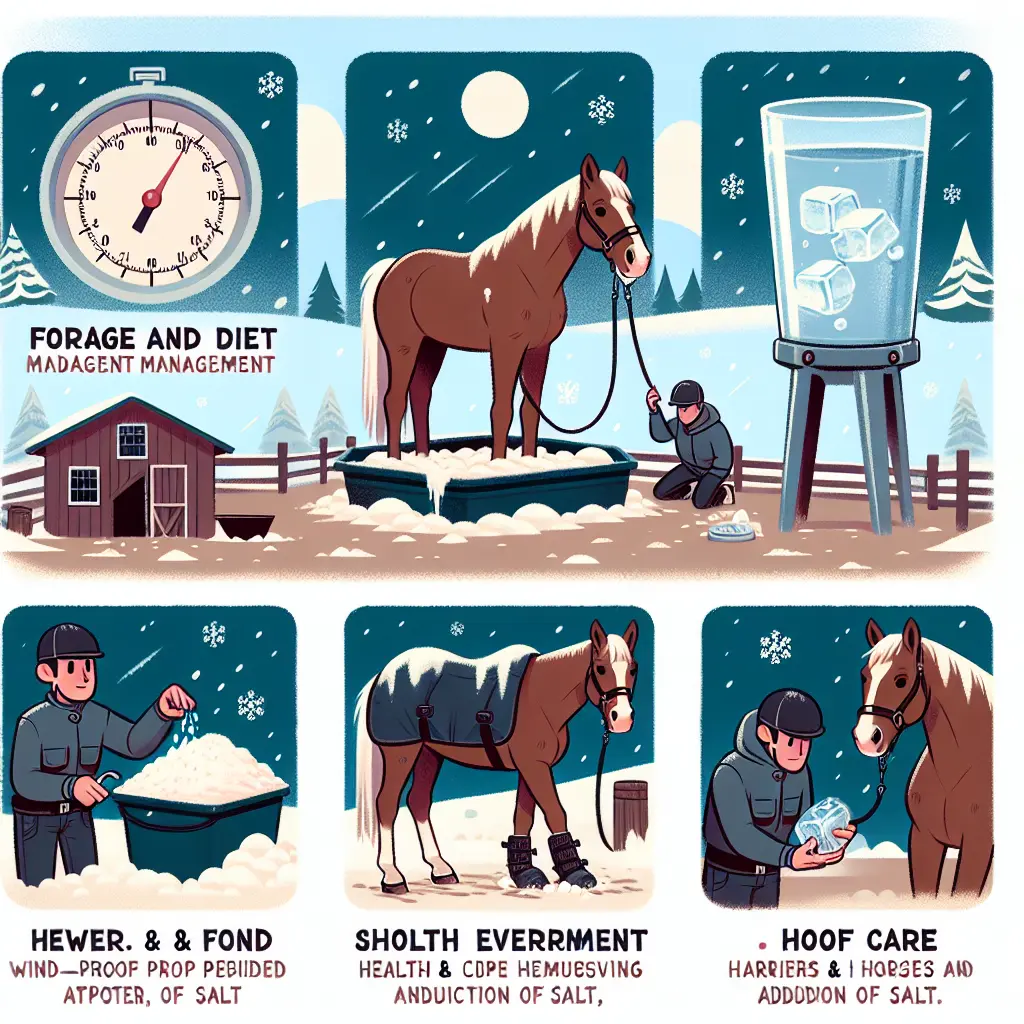
Regularly assess your horse's body condition using weigh tapes or fat scoring to prevent unintentional weight loss or gain. Special attention should be given to older horses, clipped horses, or ponies that may need additional energy. Maintaining up-to-date vaccinations, dental care, and farriery service is vital in managing the winter stress horses endure.
Shelter and Turnout
Provide access to windproof, waterproof shelters or natural cover, particularly for donkeys requiring fully waterproof protection. Regular inspections of your horse's legs and coat are important to catch early signs of skin conditions like mud fever in the wet winter months.
Hoof Care Considerations
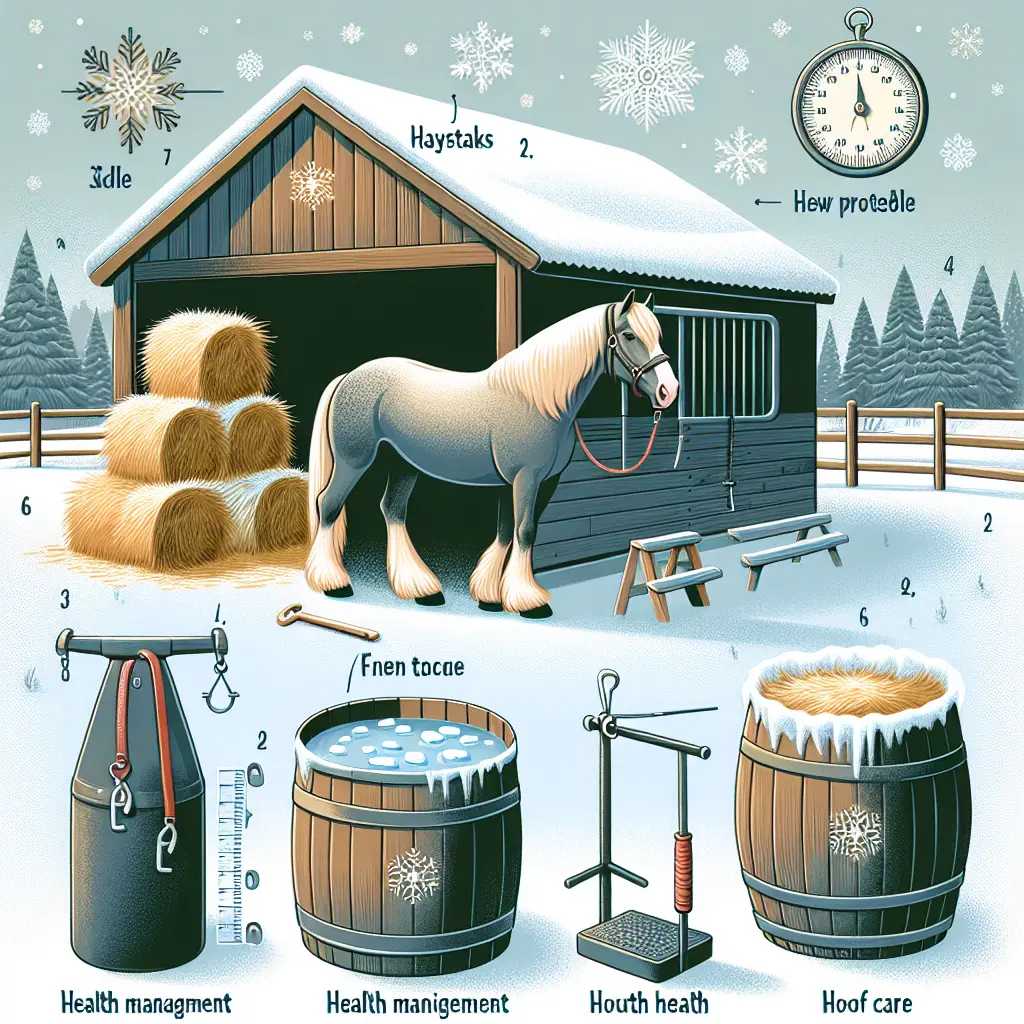
Snow and ice can accumulate in hooves, leading to slipping and soreness. Work with your farrier to decide whether to pull shoes for winter or use protective measures against ice balls and thrush. GG Equine discusses the pros and cons of shoeing options tailored to winter conditions.
Protective Apparel and Equipment
Protecting your horse against the elements is key. Consider investing in stable rugs and turnout rugs to provide warmth and shield against harsh weather. Our Horse Fly Protection range ensures your horse is safe even in the winter months.
Additional Gear for Riders
Don't forget about your own comfort and safety. Our Jodhpur collection, riding boots, gloves, and riding socks ensure you stay comfortable, warm, and stylish.
Equestrian Supplements to Support Winter Health
Supplement your horse's diet with Everyday Horse Vitamins & Supplements to bolster immune function and overall health during winter. Nutritional support can help mitigate stressors and maintain your horse's wellbeing.
Keep Things Fun with Horse Treats
Despite winter's challenges, keeping your horse entertained is important. Browse our selection of Horse Treats And Gifts to find the perfect way to show extra care and affection during the colder months.
Tailoring Your Winter Strategy
Every horse has unique needs, and tailoring your care strategy is essential. Evaluate your horse's specific requirements and make adjustments to diet, shelter, and health routines accordingly, using the outlined strategies as a foundation.
Practical Tips from Experts
Gain inspiration and practical advice from trusted sources to enhance your winter care approach. World Horse Welfare’s “Winter horse care tips” offers guidance on individual assessments and seasonal care, ensuring your horse thrives throughout winter.
Conclusion: Keep Your Horse Happy and Healthy
By implementing these key strategies, you can significantly improve your horse's winter welfare and minimize the risks of Fecal Water Syndrome, among other health concerns. Here's to a happy, healthy season for you and your hoofed friend!