

How to Choose and Fit an Anatomical Girth for Your Horse's Comfort and Performance
As any equestrian enthusiast knows, the comfort of your horse is paramount for effective riding and top-notch performance. One often overlooked yet crucial piece of equipment is the anatomical girth. This guide will walk you through everything you need to know about selecting and fitting the perfect anatomical girth for your horse, ensuring both comfort and optimal performance.
Understanding Anatomical Girths and Their Benefits
Anatomical girths are designed to conform to the natural shape of a horse, particularly around the chest and elbow areas. Unlike traditional girths, they have curves or cutbacks at the front to prevent rubbing and chafing in sensitive areas such as the horse's armpits and elbows. This ergonomic design allows for a greater range of shoulder motion, enhancing your horse's freedom of movement while reducing the risk of sores or rubs. According to Pink Equine, the cutback design avoids restriction around the horse’s elbow, a common issue with straight girths.

The Importance of Elastic Ends
Many anatomical girths feature elastic ends on both sides, which help accommodate the expansion and contraction of the horse’s ribcage. This flexibility supports comfortable breathing and muscle function, particularly important for performance horses in jumping or dressage. A well-designed anatomical girth can directly improve a horse’s respiratory efficiency and movement freedom.
How to Measure for the Correct Girth Size
The foundation for choosing the right anatomical girth lies in accurate measurement. An ill-fitting girth can cause discomfort or even injury, nullifying the benefits of its ergonomic design.
Timing of Measurement
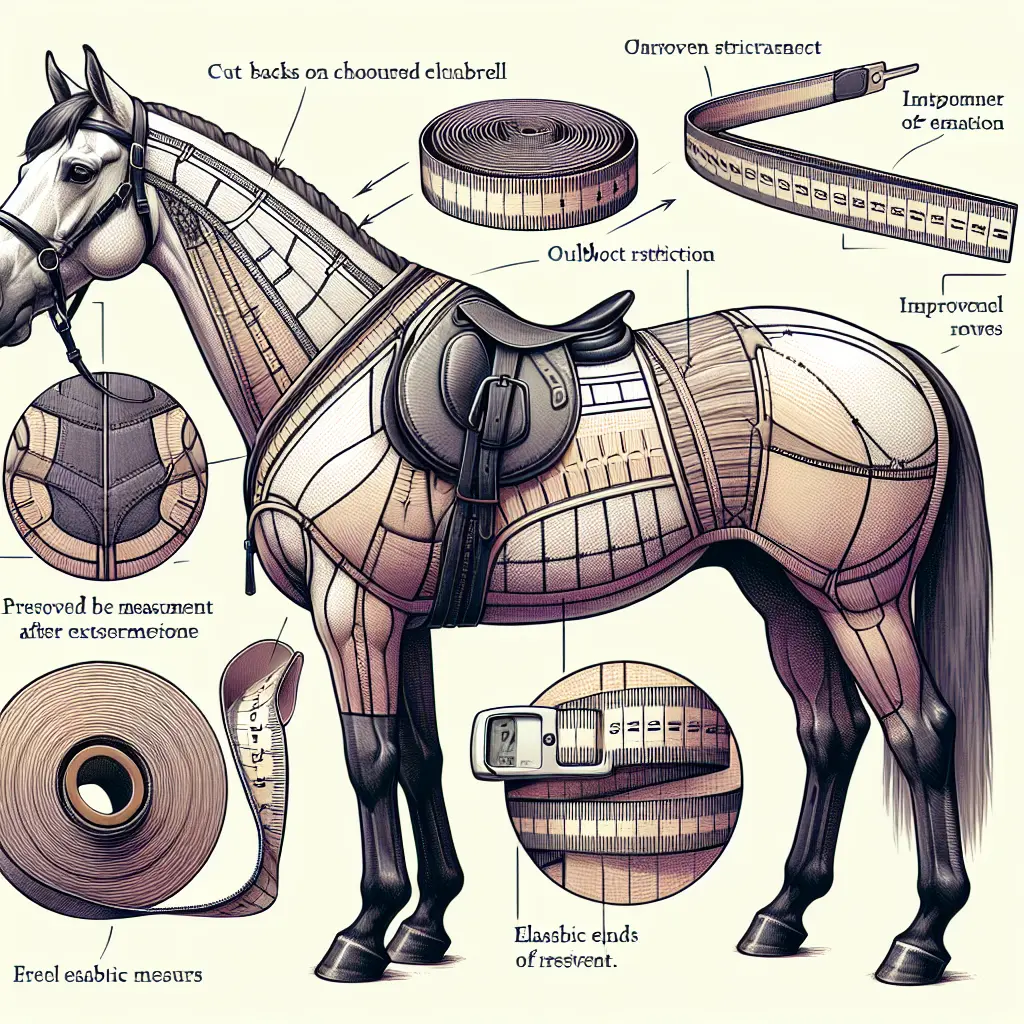
Always measure your horse after exercise or once its muscles are warmed up. This provides a more realistic muscle state, ensuring the girth won’t be too tight or restrictive when the horse is active.
The Measuring Process
Position the saddle properly and fasten it on both sides. Then, use a soft tape measure from the middle hole of one girth billet to the corresponding hole on the opposite side, following the barrel’s curvature. The measurement should be snug enough to reflect real girth tightness. If the measured length falls between sizes, round up to a slightly longer girth for comfort.
Choosing the Correct Shape
Selecting the appropriate girth shape for your horse’s conformation and activity level is crucial. Depending on the horse's needs and riding discipline, you may choose from various girths types:
| Girth Type | Shape Characteristics | Best For | Key Benefits |
|---|---|---|---|
| Straight | No contour, uniform width | Beginners, multiple horses | Simple fit, no front/back orientation |
| Anatomical | Contoured with front cutbacks near elbows | Horses with elbow rubs, normal conformation | Reduces chafing, enhances shoulder freedom |
| Asymmetrical | Contoured front + straight back | Horses with shorter girth grooves | Prevents forward shift of girth, elbow comfort |
Riding Warehouse suggests that anatomical girths offer additional clearance around the armpit area, allowing a wider range of motion without compromising the saddle's security.
Proper Positioning for Comfort and Performance
Ensure that the buckles of the girth are positioned as high as possible on the horse's sides. This placement prevents rubbing and avoids pressure points, contributing to overall equine comfort. Avoid overtightening the girth, as this can constrict the horse’s breathing. The thorax should have freedom to move easily during exercise, maintaining optimal respiratory function.

Material and Width Considerations
A well-chosen girth will not only fit correctly but will also have the appropriate material and width. A flat, wide surface on the horse-side of the girth helps to distribute pressure evenly, avoiding any nerve compression. For added flexibility during exertion, opt for a girth with elastic ends
Use Cases for Specialized Girths
For horses involved in activities like jumping, consider girths with protective features such as belly guards to shield the sternum from injury. Elastic ends also help the ribcage expand with each breath, reducing restriction and enhancing performance.
Summary Checklist for Choosing and Fitting an Anatomical Girth
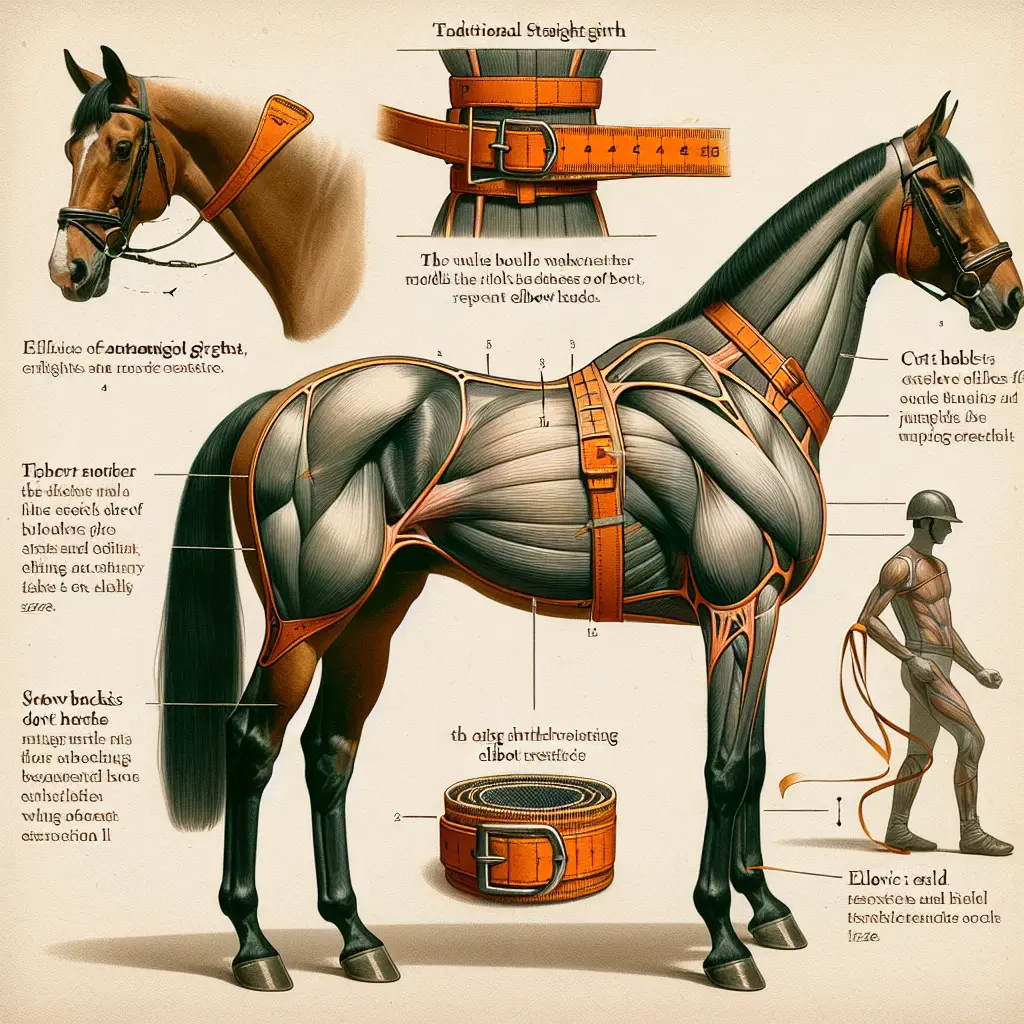
- Measure your horse’s girth length with its warmed-up muscles, while the saddle is on and buckled evenly.
- Select a girth that matches your horse’s conformation and activity type—anatomical girths generally suit horses prone to elbow rubs.
- Position the girth buckles high and tighten it snugly but not restrictively to ensure freedom of breathing.
- Opt for a girth with elastic ends for added flexibility during exertion.
- Choose materials that distribute pressure evenly and protect sensitive areas.
- Regularly check the girth fit and make adjustments as necessary, especially with seasonal weight or muscle changes.
By following these steps, you ensure your horse's comfort and enhance your riding performance, supporting your partnership with every stride.
Call to Action
Ready to upgrade your riding gear? Check out our collections of Jodhpur, Horse Riding Boots, and Horse Riding Gloves to complete your equestrian wardrobe. And don't forget the Horse Riding Socks and Horse Treats And Gifts for those special occasions!
This guide integrates expert advice from sources such as Pink Equine, Riding Warehouse, and Winderen, ensuring the information is accurate, research-based, and practical for riders of all levels.