

Transforming a clumsy horse into a confident jumping superstar is not simply a dream but a reachable reality through strategic training, attention to details, and dedication. With show jumping being an exhilarating test of both rider and equine prowess, this article provides a deep dive into methods that ensure your horse jumps like a superstar.

The Foundation of a Jumper
A strong foundation in training and conditioning is vital. Without basic strength, balance, and coordination, a horse cannot excel in the demanding discipline of show jumping. Early training focused on building impulsion (hindlimb engagement) and joint articulation leads to efficient jumping technique (van Weeren et al., 2019).
Importance of Physical Conditioning
Physical conditioning should never be underestimated. Testing by van Weeren et al. shows that young horses with consistent training demonstrate superior jumping abilities. A blend of free jumping, walking exercises, and muscle-building activities contribute to this improvement.
Data-Driven Techniques
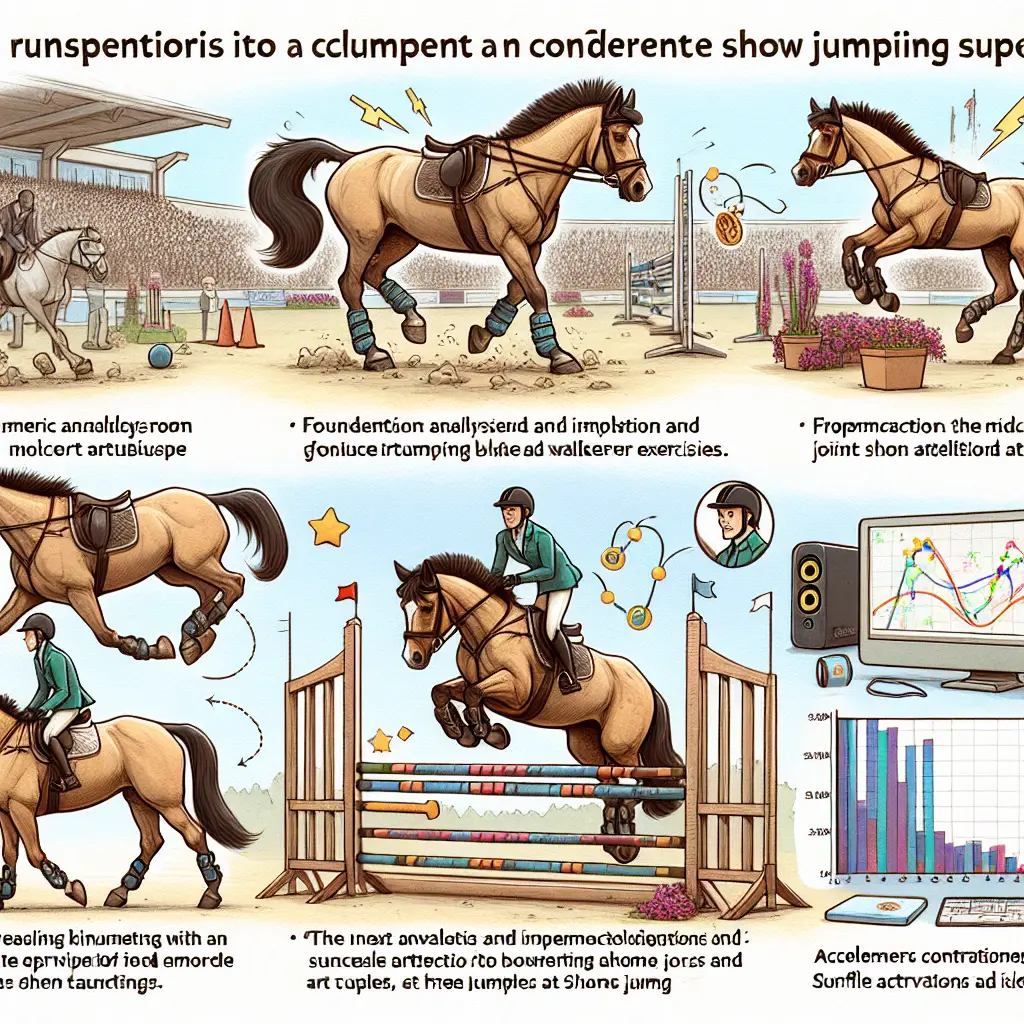
Relying on data and technology can give you the edge in training. By employing kinematic analysis and surface electromyography (sEMG), trainers can determine specific muscle patterns such as shorter gluteal contractions at take-off, which equate to successful jumping (PubMed studies).
Embracing Modern Technology
Advancements in technology, including accelerometer data, have allowed trainers to classify show jumping activities with pinpoint accuracy, enhancing their ability to tweak and customize horse training programs for unique needs (MadBarn's research).
Promoting Confidence in Horses
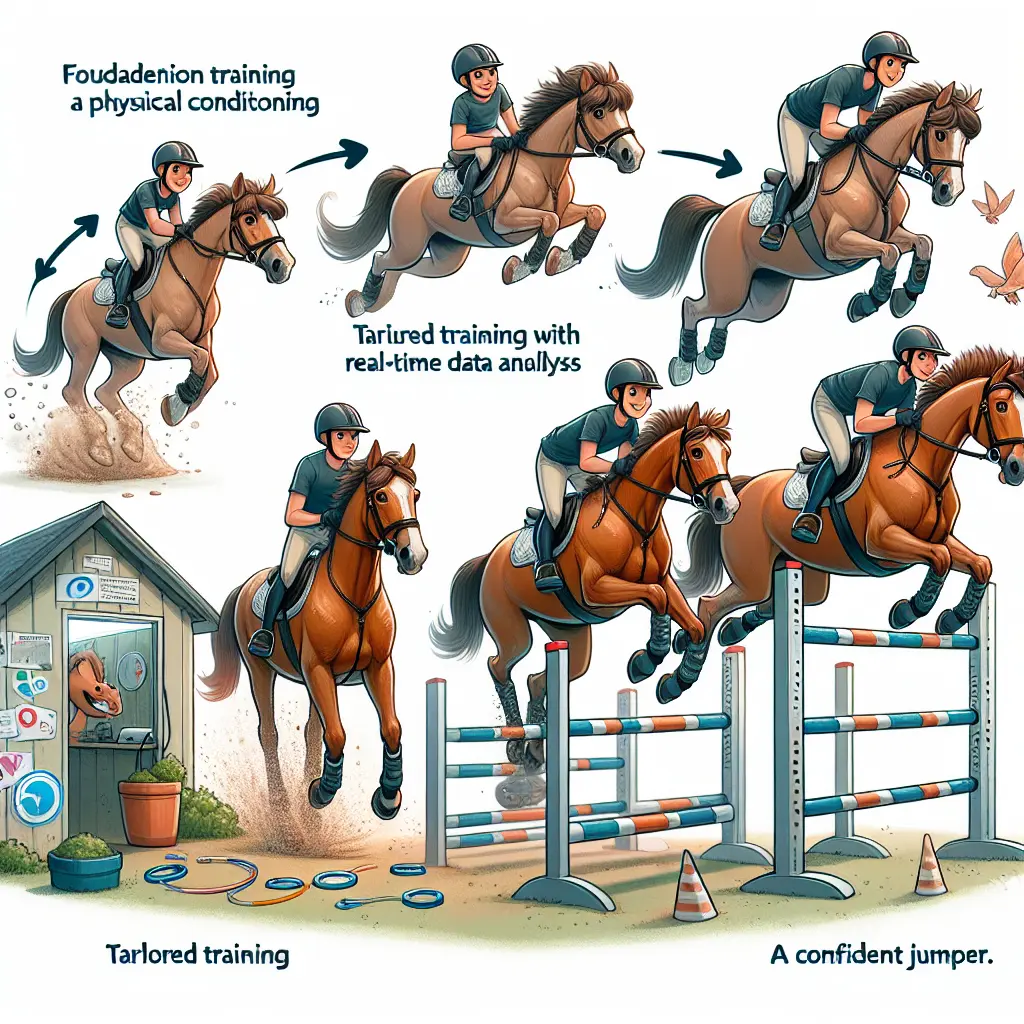
The psychological aspect of training is just as crucial as the physical one. A horse must trust its body and its rider to perform at its best. Gradual exposure to increasingly complex jumping tasks helps build their confidence exponentially, reducing refusals and knockdowns.
Forging Strong Rider-Horse Partnerships
The connection between a rider and their horse is sacred, and in Jumping, it becomes clear that trust is paramount. Consistent communication and shared growth in skills cultivate that trust, letting the horse approach obstacles with courage and certainty.

Success Stories & Real-World Results
Looking at success stories, a cohort of foals exhibited significant improvement when subjected to intensive, five-day-a-week training. By age 4, these horses were not only jumping efficiently but also showed fewer refusals in comparison to their untrained counterparts.
Real Measurement of Improvement
Applying biomechanical analysis and muscle activation monitoring has helped trainers and riders identify areas needing improvement. Tailored exercises have resulted in measurable enhancements in jump height and duration, showcasing science working hand-in-hand with traditional horsemanship approaches.
Facts and Figures
Jumping Proficiency: It has been shown that jumping training classified using accelerometers is 100% accurate, highlighting the precision provided by modern-day monitoring tools. Horses competing at the highest levels can clear 10–13 obstacles up to 1.70 meters, a testament to their muscle power and coordination.
Practical Advice for Aspiring Riders
Jumping isn’t just for the highly trained, it’s for those dedicated to the sport. It’s essential always to remember the basics; a horse relies on consistent, foundational training. Gradually build upon exercises to further develop coordination, balance, and confidence.
Embrace Equestrian Apparel
Proper apparel ensures safety and enhances the riding experience. Check out Just Horse Riders' Jodhpur Collection to keep you and your horse decked out in the finest gear.
Step Up Your Riding Boots Game
Don't underestimate the power of good footwear. Explore types of boots that cater to different needs at this collection and invest in quality equestrian boots.
Conclusion
Transforming a clumsy horse into a confident show jumper requires deliberate training, informed by scientific insights, and a collaborative harmony between rider and horse. By integrating contemporary technology with time-honored traditions in horsemanship, you can foster an unbeatable show jumping partnership primed to excel. Should you need additional insights or equipment enhancements for both horse and rider, resources such as horse supplements and appropriate stable rugs available at Just Horse Riders can support this transformative journey.