

How to Manage and Alleviate Sweating in Horses on Box Rest: Tips and Solutions
Horses provide us with companionship, sport, and joy. However, when these magnificent animals are placed on box rest, they face several challenges. One prevalent issue is excessive sweating. This article explores practical strategies and insights on managing and alleviating sweating in horses during this challenging period.
Understanding Sweating in Horses on Box Rest
Sweating is a natural way for horses to regulate their body temperature. However, when a horse is on box rest, factors such as anxiety, limited airflow, and unsuitable bedding can result in excessive sweating, leading to skin irritations and health complications.
Why is Box Rest Necessary?
Box rest is often necessary to allow a horse to recover from injuries or illnesses without the risk of further damage. During this period, the horse is confined to its stall, which limits its ability to release energy or manage heat effectively.
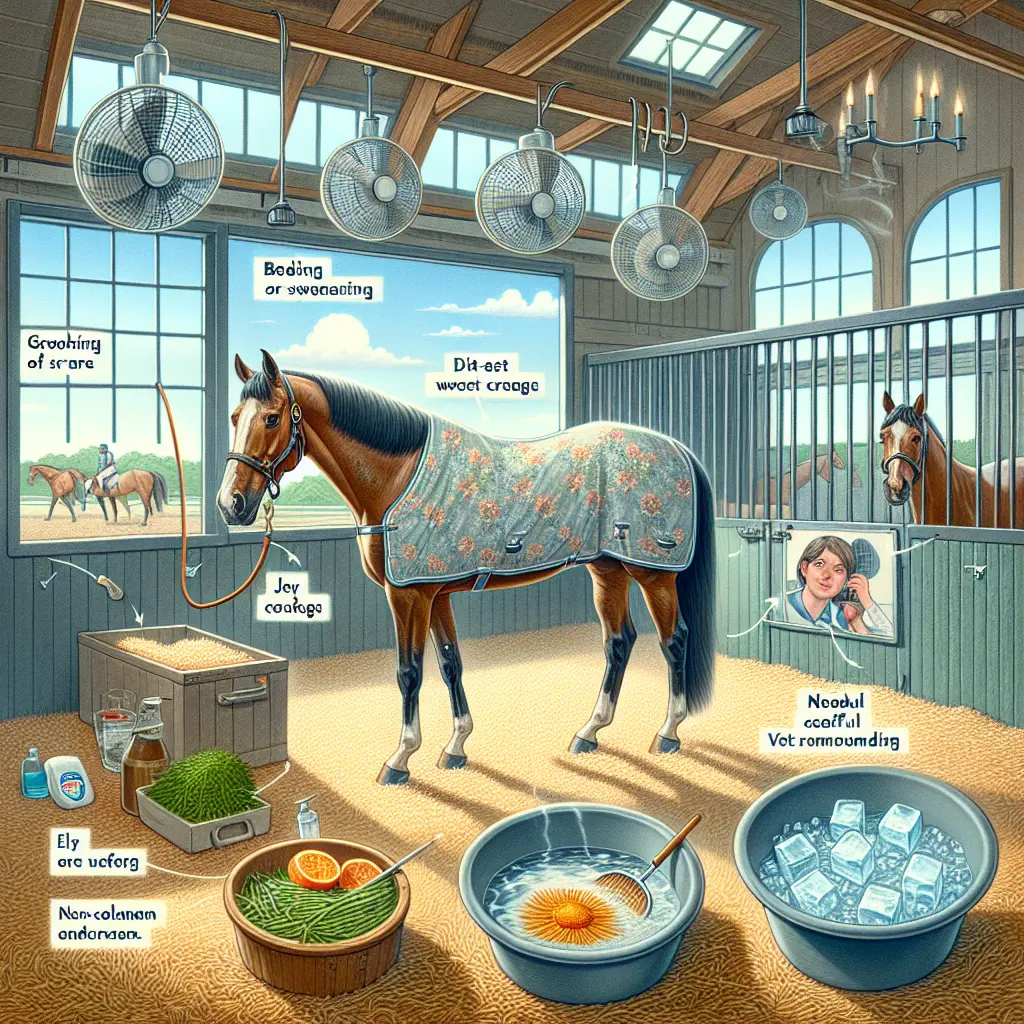
Key Tips to Manage Sweating in Box-Rested Horses
1. Ensure Proper Ventilation and Airflow
Ensuring that the stable is well-ventilated is critical for reducing heat buildup. Opening windows and stable doors allows fresh air to circulate, which minimizes sweat accumulation and helps prevent respiratory issues. Consider the use of fans if natural ventilation isn't sufficient.
2. Choose Suitable Bedding
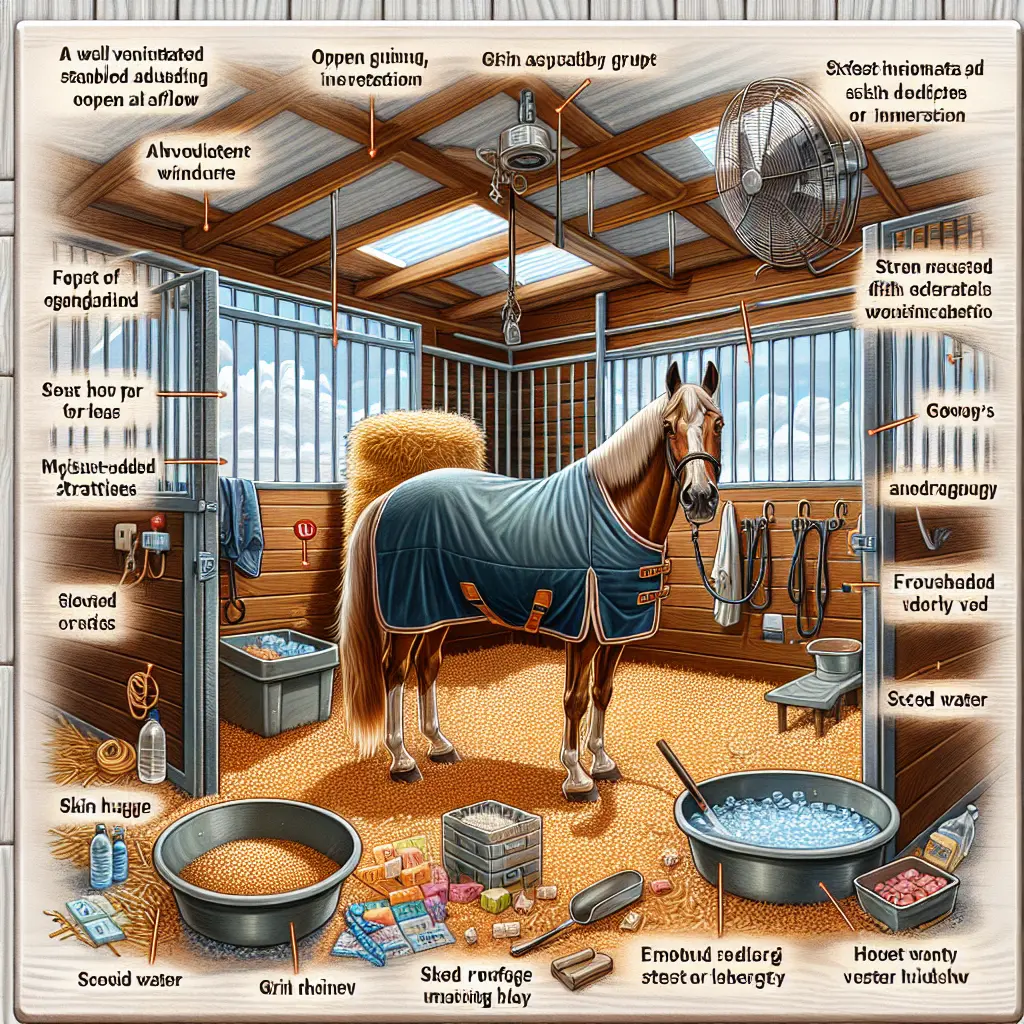
Opt for absorbent and moisture-wicking bedding like straw or shavings. This type of bedding can absorb sweat effectively, reducing the risk of skin infections like thrush. Cleaning the bedding regularly ensures the stall remains dry and prevents discomfort.
3. Regulate the Stable Temperature
Over-rugging can contribute to overheating. It's vital to use rugs that are appropriate for the stable's temperature. For options suitable for different weather, consider exploring Just Horse Riders' Stable Rugs and Turnout Rugs collections.
4. Monitor and Adjust Diet
A well-managed diet is essential to reduce excess metabolic heat production. Feeding mainly roughage with minimal grains helps prevent unwanted weight gain and overheating. Consider soaking hay or treating forage with steam to keep your horse hydrated and aid in temperature regulation. For dietary enhancements, you may want to look into Everyday Horse Vitamins & Supplements from Just Horse Riders.
5. Encourage Hydration

Keeping your horse hydrated is crucial since sweating leads to fluid loss. Providing fresh water consistently and using soaked hay helps maintain the horse’s hydration levels. Encouraging your horse to drink more may involve the use of flavored water or floating toys in the water trough.
Maintaining Skin Hygiene
Regular Grooming
Frequent grooming helps to remove sweat and keep the coat healthy. Using sweat scrapers can efficiently eliminate excess moisture. If any signs of irritation appear, mild antiseptic shampoos can help manage skin health without causing additional dryness.
Preventing Skin Infections
Check regularly for areas prone to rubbing or sweat build-up, investing time in preventing sores or infections. Keeping the skin clean and dry is essential for avoiding issues like rain scald.
Footnote on Image Integration
Incorporate practical solutions with imagery for enhanced understanding. For example, when discussing ventilation, you might illustrate with an image from our gallery, such as  this image, to highlight those solutions visually.
Managing Stress and Anxiety
Enrichment Techniques
Stress reduction is vital since it can enhance sweating. Provide your equine friend with toys, outings, and interactions with other horses where possible. These measures reduce nervousness and the sympathetic responses that heighten sweating. Calming supplements are also an option under veterinary guidance.
When to Consult a Veterinarian
Should the sweating become persistent and is accompanied by other symptoms like a fever or lethargy, it is time to consult a veterinarian. Such signs could suggest complications such as cellulitis or lymphangitis, which are serious and require timely medical intervention.
Supporting Evidence and Citations
- Blue Cross: An invaluable resource for understanding care practices.
- Equinavia: Practical tips to ensure your horse remains comfortable.
- Haygain: Expert advice on hydration and managing confinement-related complications.
Final Thoughts
Successfully managing and alleviating sweating in horses on box rest requires a comprehensive approach that combines environmental control, appropriate diet modifications, skin care, and stress management strategies. For horse owners and caregivers, these strategies will empower you to ensure your horse's comfort and health during paper collars. Whether you're exploring jodhpur options for comfort or unleash fun with horse treats and gifts, it's important to keep your equine companion happy and healthy.