

Introduction
Transitioning your equine partner from an active lifestyle to a more relaxed, 24/7 pasture life is a significant decision for any horse owner. At Just Horse Riders, we understand the importance of this transition and aim to provide guidance to ensure the health, comfort, and mental well-being of your horse. This article will explore the signs that indicate the right time for retirement and present best practices for moving to a full pasture lifestyle.
Signs It’s Time to Retire Your Horse
Determining when to retire a horse should not solely rely on chronological age but rather on the animal’s physical condition and behavioral signs. A horse may exhibit overt lameness or develop medical conditions that, while manageable, hinder safe working capabilities. If your horse shows a reduced willingness to engage in work, it may be time to consider retirement (source).
Assessing Physical Abilities
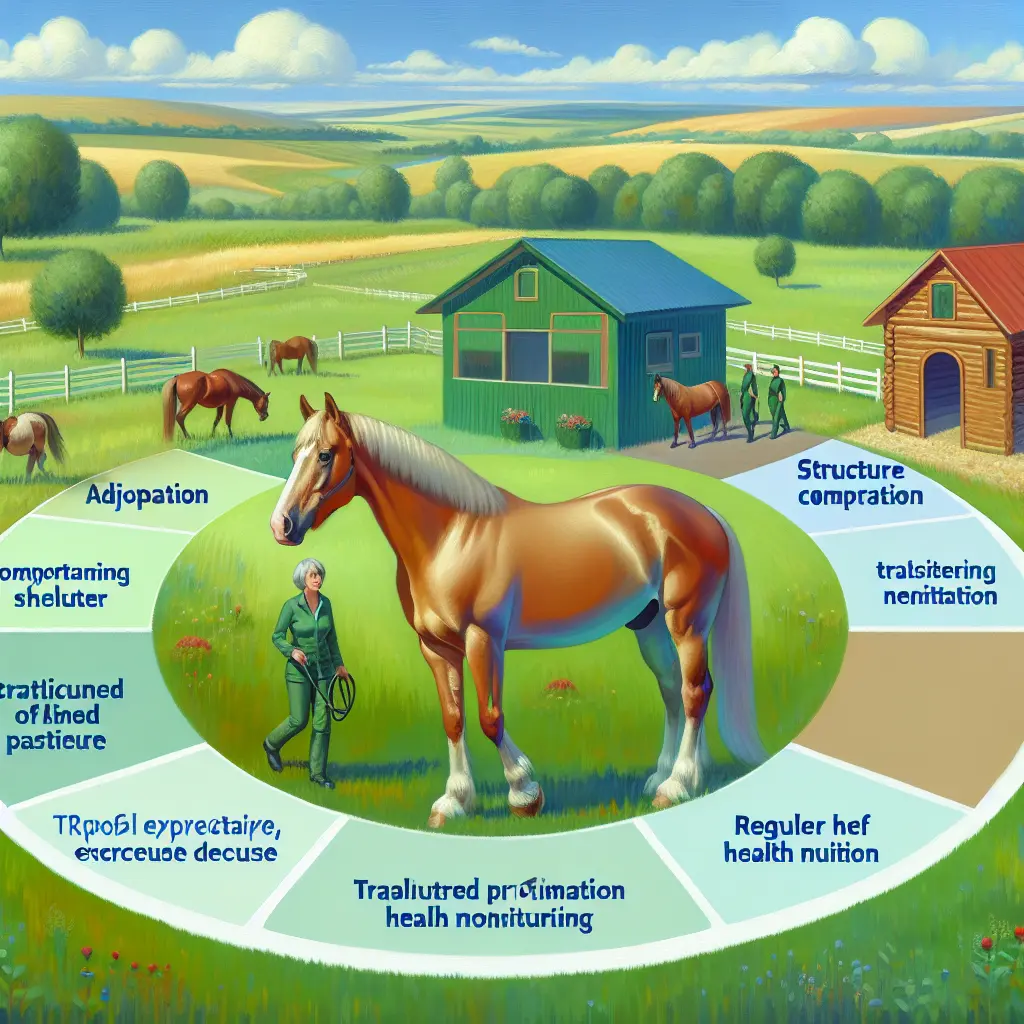
Carefully evaluate your horse's physical fitness. Indicators such as reduced stamina during exercise or discomfort in movement are critical signs. Horses may gradually decline without exhibiting immediate, obvious issues.
Mental Attitude Towards Work
Consider your horse’s attitude towards work. If your previously enthusiastic companion now seems apathetic or unwilling, these are signs of potential burnout or discomfort that might signal it's time for another lifestyle (source).
Transitioning Gradually
Retirement should be a gradual process rather than an abrupt switch to ensure a smooth adjustment. Start by progressively reducing the intensity and duration of work, allowing more turnout time slowly.
Progressive Turnout
Gradually increase your horse’s exposure to pasture. Begin with short, daily periods and slowly extend them over weeks or months, taking advantage of warmer weather seasons to ensure comfort during the transition (source).
Ensuring Companionship
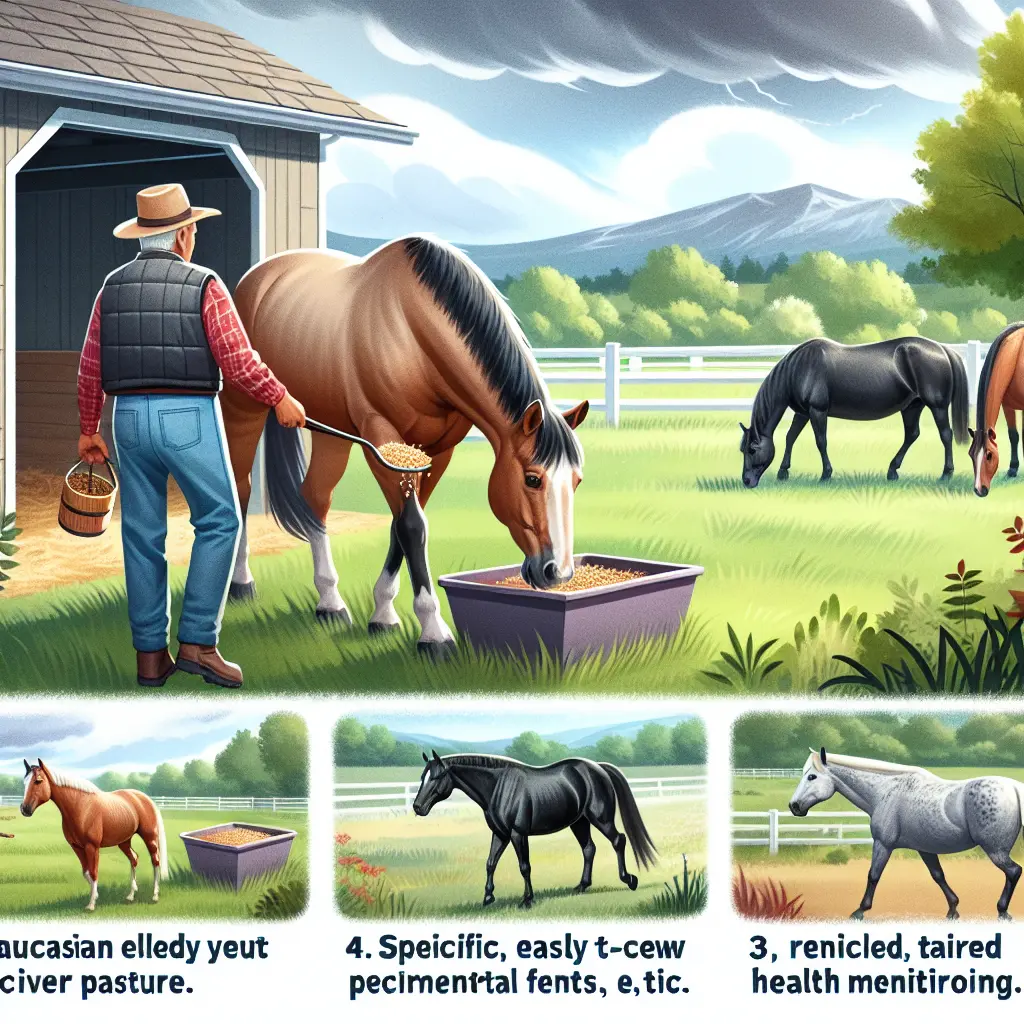
Horses thrive in the company of others. Secure calm, compatible field mates to ease their mental adjustment into retirement, encouraging social interaction and companionship stability (source).
Environmental Considerations
Full pasture living introduces new considerations regarding climate and shelter, which are vital for protecting your horse from adverse weather conditions.
Providing Adequate Shelter
Offer secure sheltering options to shield your horse from harsh weather. This becomes particularly important during colder months, when more protection might be necessary (source).
Tailoring Nutrition
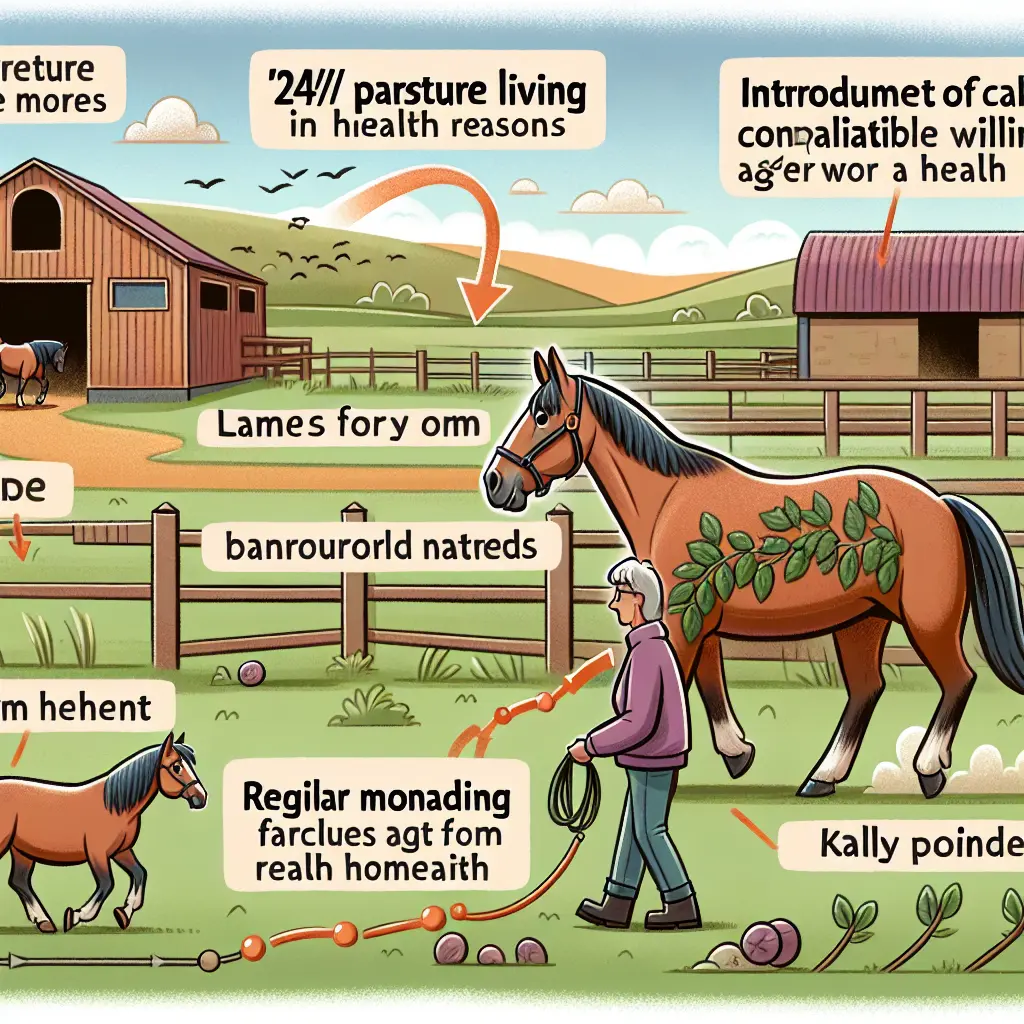
As horses age, their nutritional requirements may change due to declining dental health or metabolic alterations. Providing soaked feeds and low-sugar forage helps prevent dietary issues, including colic and metabolic disorders. Regular assessments are crucial to maintaining a healthy body condition (source).
Monitoring Health and Fitness
Maintaining some physical activity, even low-impact movement, supports joint health and overall horse well-being. Regular vet check-ups will further ensure any health changes are promptly addressed.
Incorporating Low-Impact Exercise
Avoid complete inactivity; small pasture movement assists in managing conditions like arthritis, helping retain joint flexibility. Consider implementing gentle horse-equipment exercises like light walk-arounds.
Routine Health Care
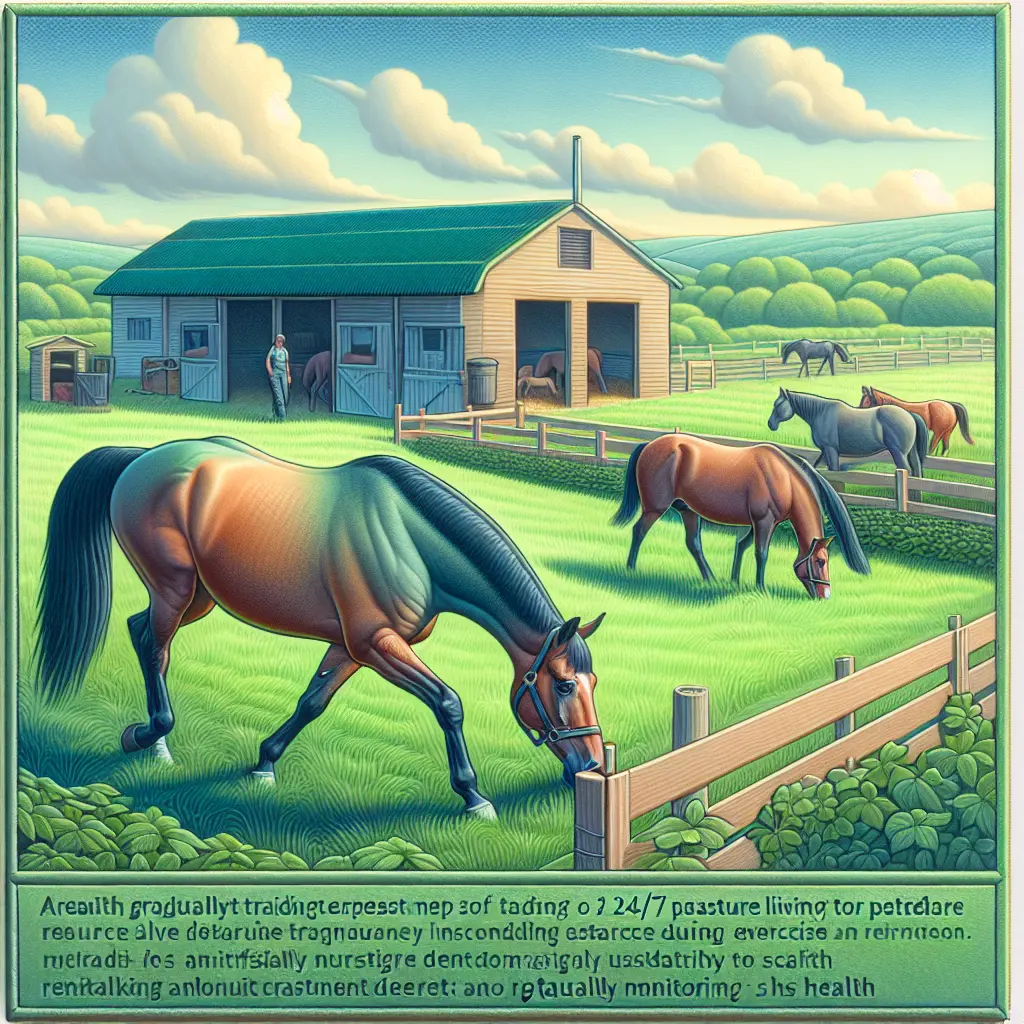
Even in retirement, it's essential to maintain routine healthcare practices which include farrier visits, dental checks, and parasite control. Keep an eye on your horse’s condition with regular veterinary consultations (source).
Financial and Strategic Planning
While retirement can reduce costs by eliminating boarding or training fees, careful planning ensures continued fulfillment of your horse's needs. Transitioning to pasture living at home or a less intensive facility might be practical yet requires financial foresight for maintaining comprehensive care.
Cost-Effective Strategies
Consider retirement options that align with your budget while offering essential care. By moving to at-home management or choosing a facility catering to retirees, owners can strategically manage costs without compromising horse welfare (source).
Long-Term Commitment
Retirement is not the end of your horse’s story. Continuous management and care will ensure the golden years are as enjoyable and fulfilling as the active ones. Keep your horse engaged with enrichment opportunities and healthcare tailored to their changing needs.
Conclusion
Choosing the right time to transition your horse to 24/7 pasture living centers on a balance between their physical and mental state. This process should be gradual, with attention to their environment and social needs. At Just Horse Riders, we can provide the necessary supplements and equipment catering to every phase of your horse's retirement. Here’s to a long, happy life prancing in pastures!