

Managing Hock Arthritis in Horses: Exploring Treatment Options and Long-term Care Strategies
If your horse could talk, it might say, "These hocks aren't just for show!" That's because a horse's hock joint is the powerhouse of its hind limb, responsible for movement and weight-bearing — talk about hoof-fisted multitasking! However, hock arthritis can rain on a horse's parade, compromising performance and quality of life. But fear not, superhero owners, advances in veterinary medicine can save the day!
Understanding Hock Arthritis in Horses
Arthritis in horses, particularly in the hock joint, can be a real pain in the...well, hock! It's an inflammatory condition affecting the joint structure, which includes cartilage, synovial fluid, and bone surfaces. Here's what it leads to:
- Joint pain and stiffness
- Reduced range of motion
- Bone spurs or remodeling (osteophytes)
- Potential joint instability
It's especially common among performance horses, turning agile gallops into woeful trots.
Key Symptoms to Recognize
Early detection is key! Symptoms might sneak up like a cat ready to pounce:
- Stiff or shortened stride
- Swelling or heat around the hocks
- Resistance to tasks or declining performance
- Intermittent or persistent lameness
Spotting any of these? Book a vet appointment faster than you can say "hay bale!"
Primary Treatment Options
Treating hock arthritis is like a balancing act between relieving pain and preserving joint function. Let's break down the common approaches:
1. Veterinary Consultation and Diagnosis
First things first, get a vet's evaluation. X-rays and advanced imaging aren't just for making your horse look like an equine superhero in disguise; they help nail down the best treatment plan.
2. Anti-inflammatory Medications
Your horse needs a break, not just another repetitive trot around the paddock. Enter the glorious realm of medications!
- Non-Steroidal Anti-Inflammatory Drugs (NSAIDs): These can offer immediate relief but are best used short-term. Long-term use may lead to side effects that can put quite a dent in your horse's pasture parties.
- Corticosteroids: Injecting these into the joint provides longer-lasting relief, but recurring injections can lead to joint damage. Consult your vet...seriously, consult!
3. Intra-Articular Injections and Advanced Therapies
For a bit of a modern wrinkle, explore advanced therapies:
- Hyaluronic Acid (HA): Think of it as joint lubrication with added oomph!
- Orthobiologics: Such as PRP and APS promote healing and modulate inflammation. Trust us, they're fancy but worth it!
- Chemical Joint Fusion: This might sound intense, but it's sometimes necessary.
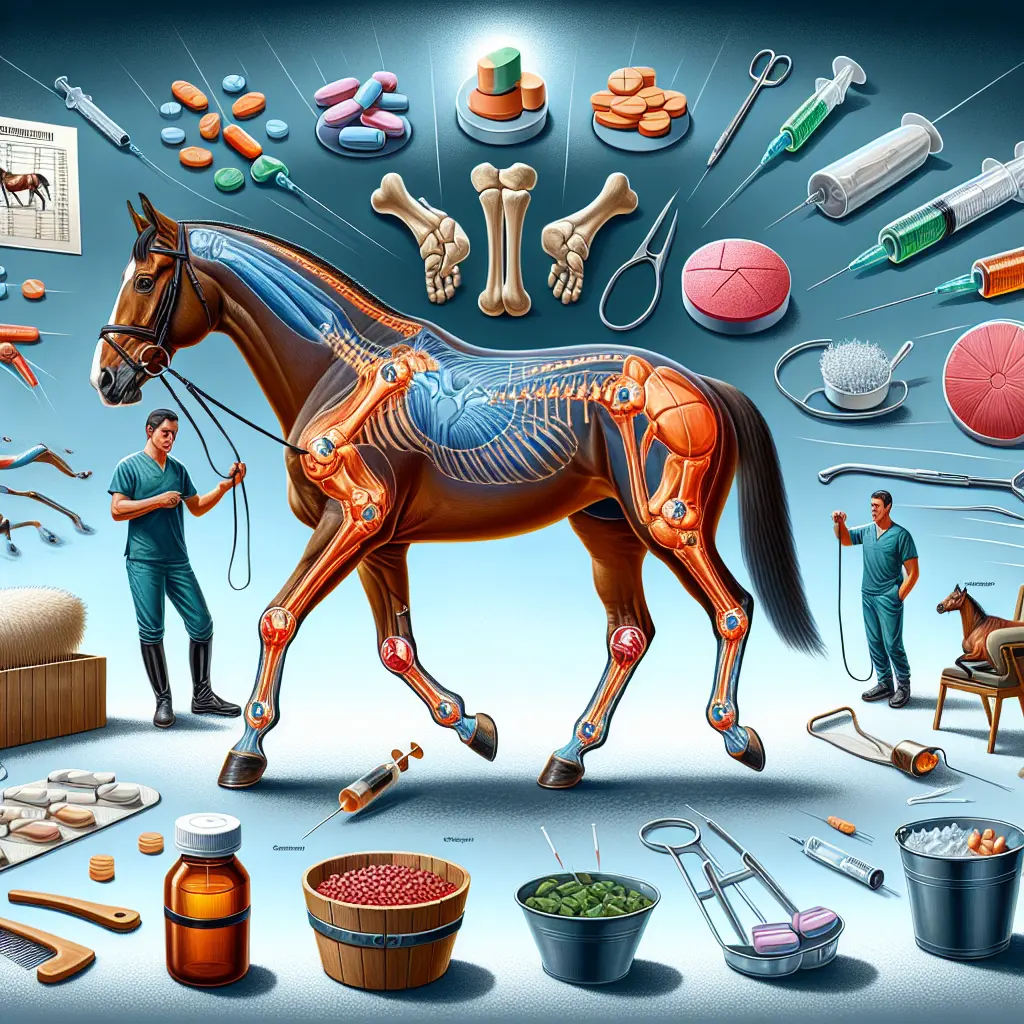
To visualize the journey of recovery, think of your equine friend going from gentle pasture meandering to glorious cantering once more!
4. Joint Supplements
The joint supplement aisle isn't just for pensioners! Supplements with glucosamine and chondroitin can be a helpful addition to your horse's daily mix, though their effectiveness varies. Still, worth a shot!
Long-Term Care and Management Strategies
1. Controlled Exercise and Rehabilitation
Keeps those muscles ship-shape without causing more pain. Think walking, trotting, and even some hydrotherapy (fancy term for underwater treadmill)—all under the watchful eye of an equine physiotherapist. After all, who doesn't want a therapeutic spa day?
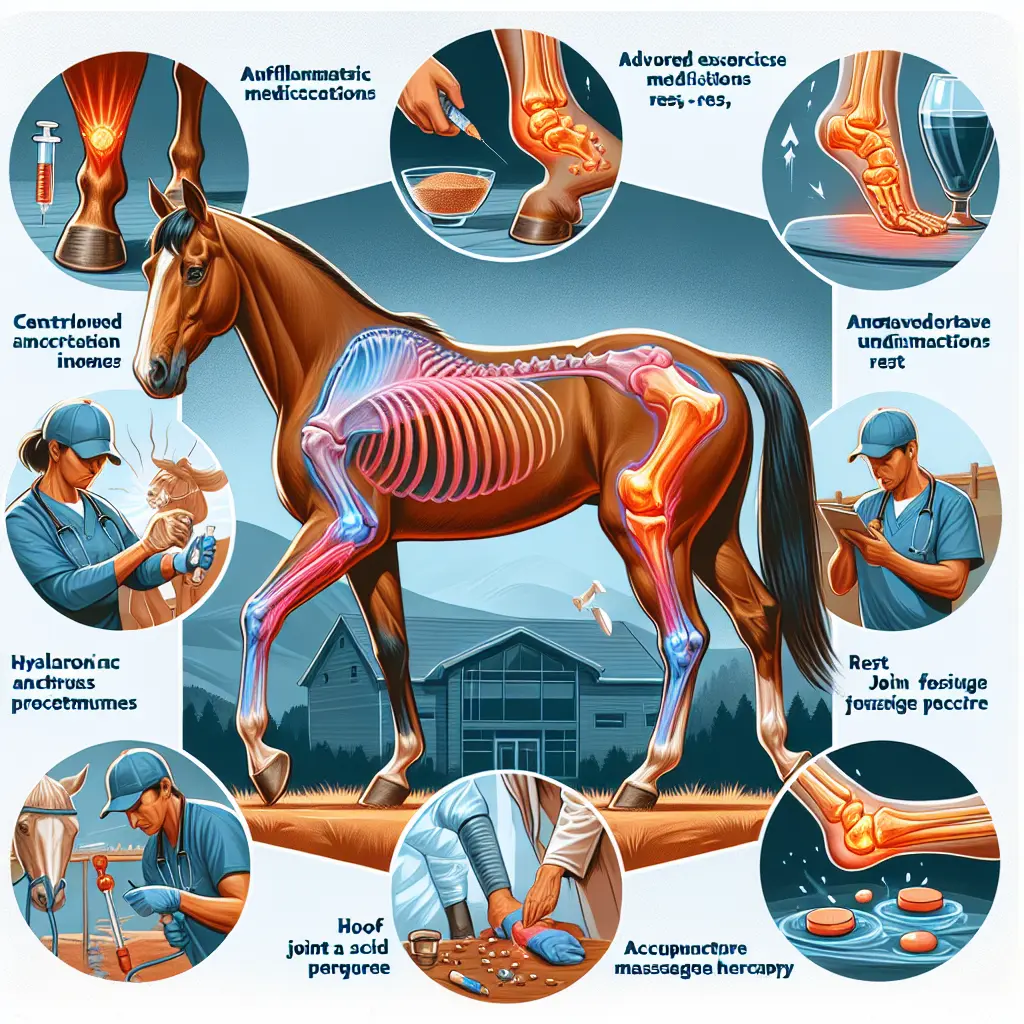
2. Rest and Stall Management
Just like how humans occasionally need a Netflix binge day, horses need stall rest. Post-treatment, this can help recovery and offer a break from the daily hoof grind (and the constant carrot-gathering).
3. Pain Management and Supportive Care
- Cold hosing: No, we're not playing with hoses for fun—this reduces swelling.
- Shoeing: Proper shoeing helps with hoof balance.
- Alternative therapies: Offering relief through chiropractic adjustments or acupuncture. Talk about pampering!
Combined, these strategies can help your horse live its best life!
Facts and Figures Highlighting the Importance of Management
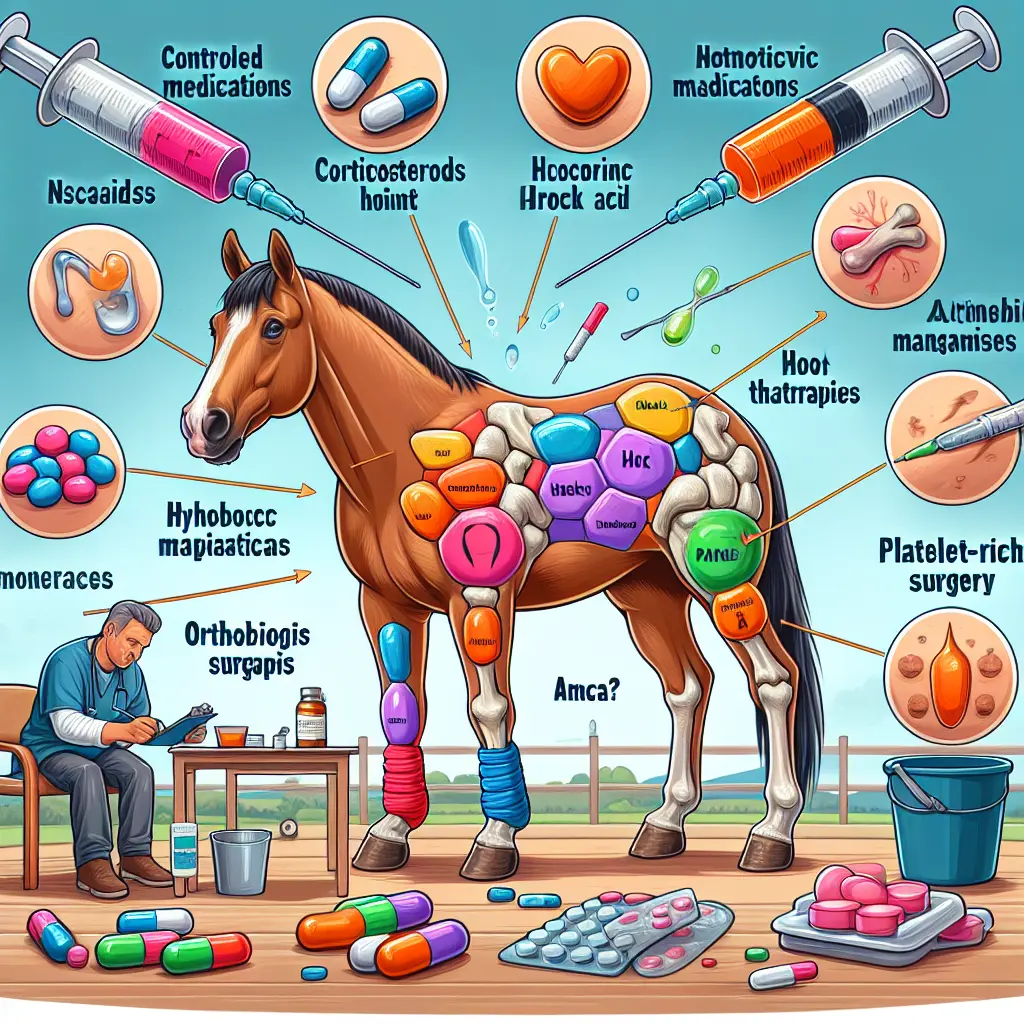
Let's dazzle with some digits:
- Hock arthritis is a lead factor in hind limb lameness among up to 30-40% of sport horses.
- Corticosteroid injections can provide relief for months at a time.
- Orthobiologic therapies are gaining ground for their pro-healing capabilities.
Who knew hock arthritis therapy could sound like an investment portfolio?
When to Consider Surgical Options
When life's stable curtain calls for an encore and conservative management feels like a rerun, surgery might be on the horizon. Surgical fusion is a delicate procedure with a team of experts on hand to conduct the symphony of recovery.
And with post-op rehabs, your steed could dazzle with the once-forgotten prance of yesteryears!
Partnering with Your Veterinarian for Optimal Outcomes
Your vet is here to be your beacon of guidance amidst the joint drama. Working in partnership ensures a choreographed dance of treatments, exercise, and care strategies, in perfect harmony.
Additional Resources to Explore
Feeling like a budding equine scholar? Dive into resources and uncover nuggets of wisdom on hock arthritis:
- Explore Jodhpur Collection for stylish usability.
- Check out our Stable Rugs for ultimate comfort.
- Seeking longer reads on orthobiologics? Indulge thy curiosity!
By staying informed and proactive with treatment, you and your equine friend can tango through the pasture with style and ease.
Conclusion
Be it a trot, canter, or spirited gallop, understanding and managing your horse's hock arthritis demands a steadfast commitment to healthcare mixed with a dash of humor. Through collaboration, treatments, and a keen eye, your noble steed's reports from the pasture can remain tales, not of woe, but triumphs.