

How to Manage and Understand Unpredictable Horse Behavior During Hacks
Unpredictable horse behavior during hacks can seem daunting, yet by learning about the causes and management strategies, riders can enjoy safer and more pleasant rides. Horses are inherently flight animals, so understanding their behavior in response to environmental stimuli is crucial for ensuring safety and fun during a hack.
Why Horses Behave Unpredictably on Hacks
Horses are descendants of prey animals, maintaining an inborn startle reflex or flight response against perceived threats. Even seemingly innocuous objects such as a fluttering plastic bag can provoke this reflex. The University of Florida research suggests that this spookiness is genetically and environmentally influenced.
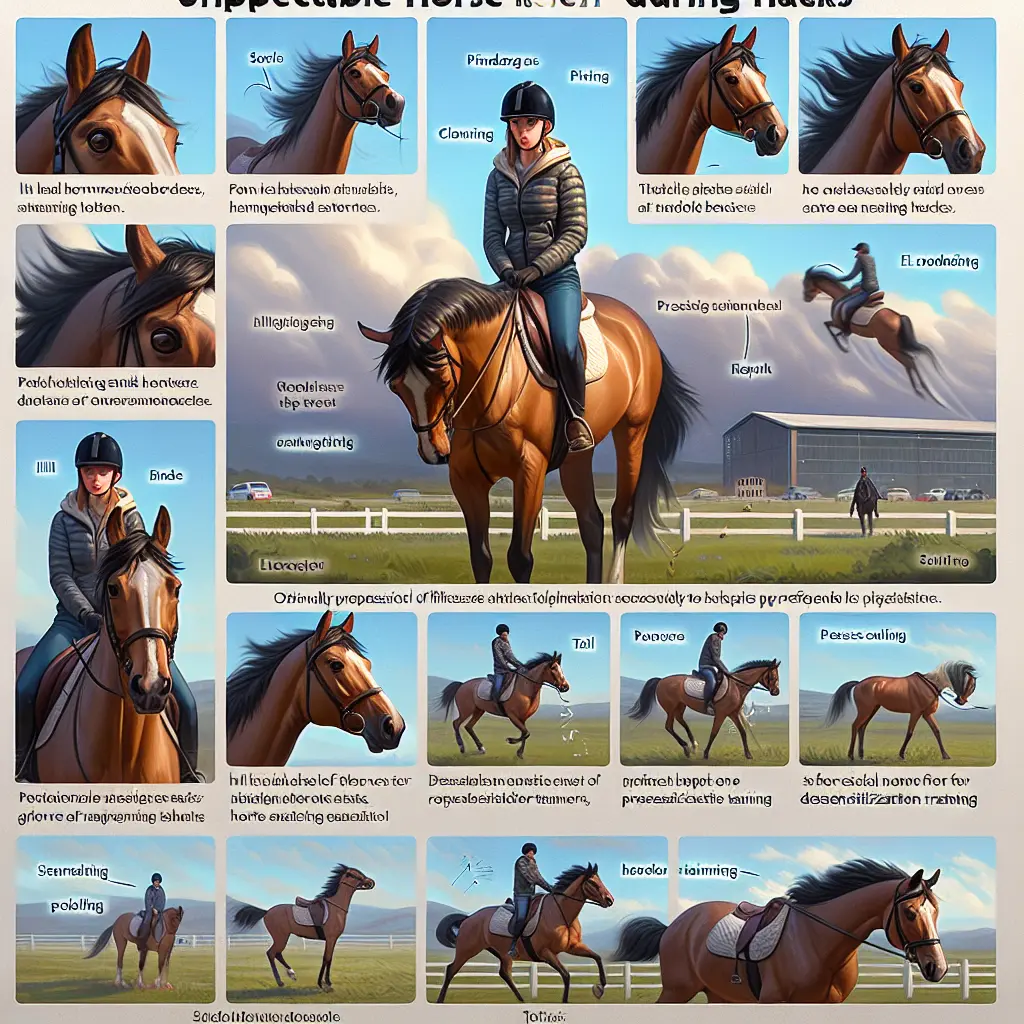
This reflex isn’t entirely trainable away. Therefore, anticipating and calmly responding to these reactions is key for riders during hacks.
Common Causes of Unpredictable Behavior
- Startle Response: This natural mechanism can be triggered by any sudden movements, noises, or unfamiliar objects encountered during a ride.
- Social Dynamics: Horses possess complex social behaviors, and sudden changes in their social setup, like introductions of new horses, can lead to stress.
- Pain or Discomfort: Ill-fitting tack or underlying health issues can prompt irritable or reactive behaviors in horses.
- Fear and Anxiety: An insecure environment or overwhelming new experiences can increase unpredictability.
Signs to Watch For
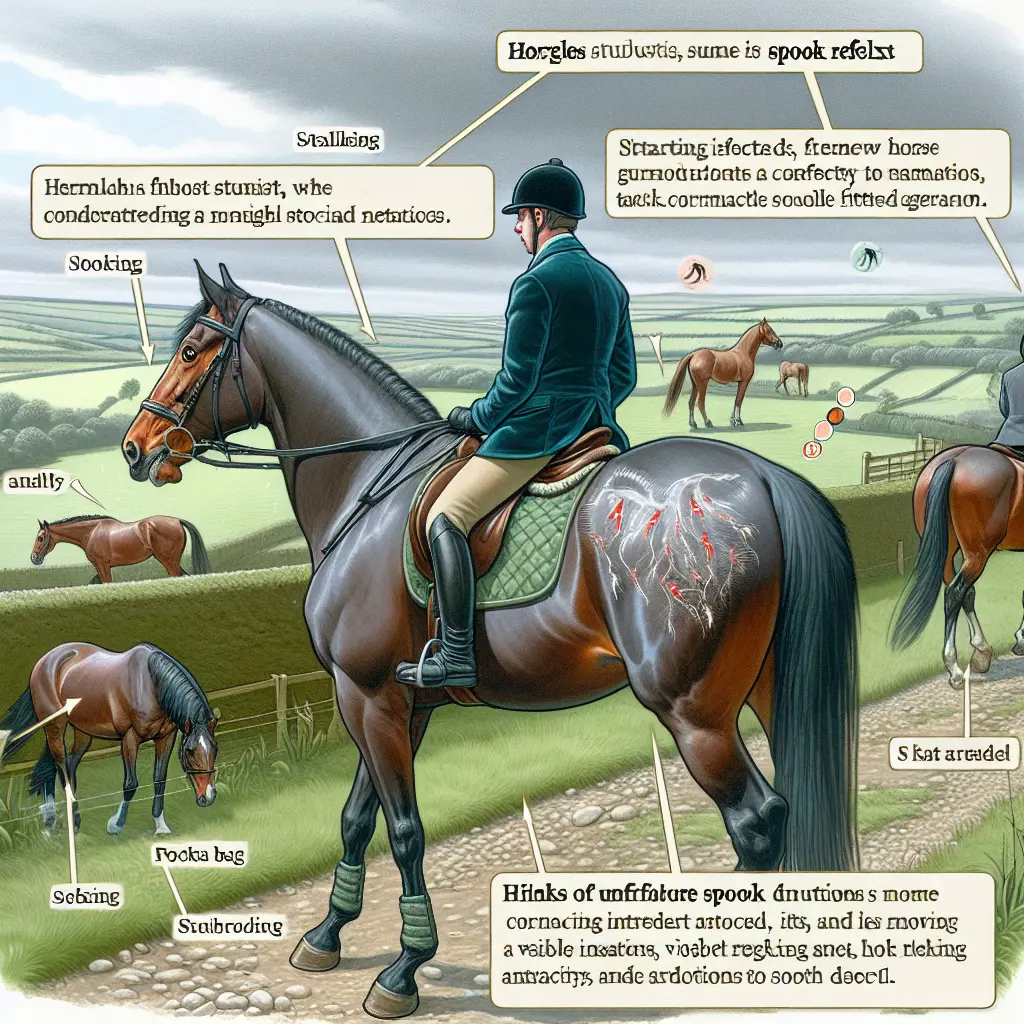
Research identified several warning signals such as pinned ears, tail swishing, and threatening moves that, if ignored, could escalate into dangerous situations [1]. Recognizing these cues preventively can avert dangerous incidents.
Strategies to Manage Unpredictable Behavior
Stay Calm and Confident
Horses are highly sensitive to their rider's emotions. A calm and confident rider provides reassurance and can alleviate a horse's stress response.
Prepare the Horse Gradually
Through training sessions, expose horses to various environments and stimuli to decrease anxiety when hacking. This habituation is key for building their confidence outdoors.
Use Proper Equipment
Ensure that the tack fits snugly to prevent discomfort-driven behaviors. Adequate riding gear for the rider is essential for protection.
Observe and Interpret Body Language
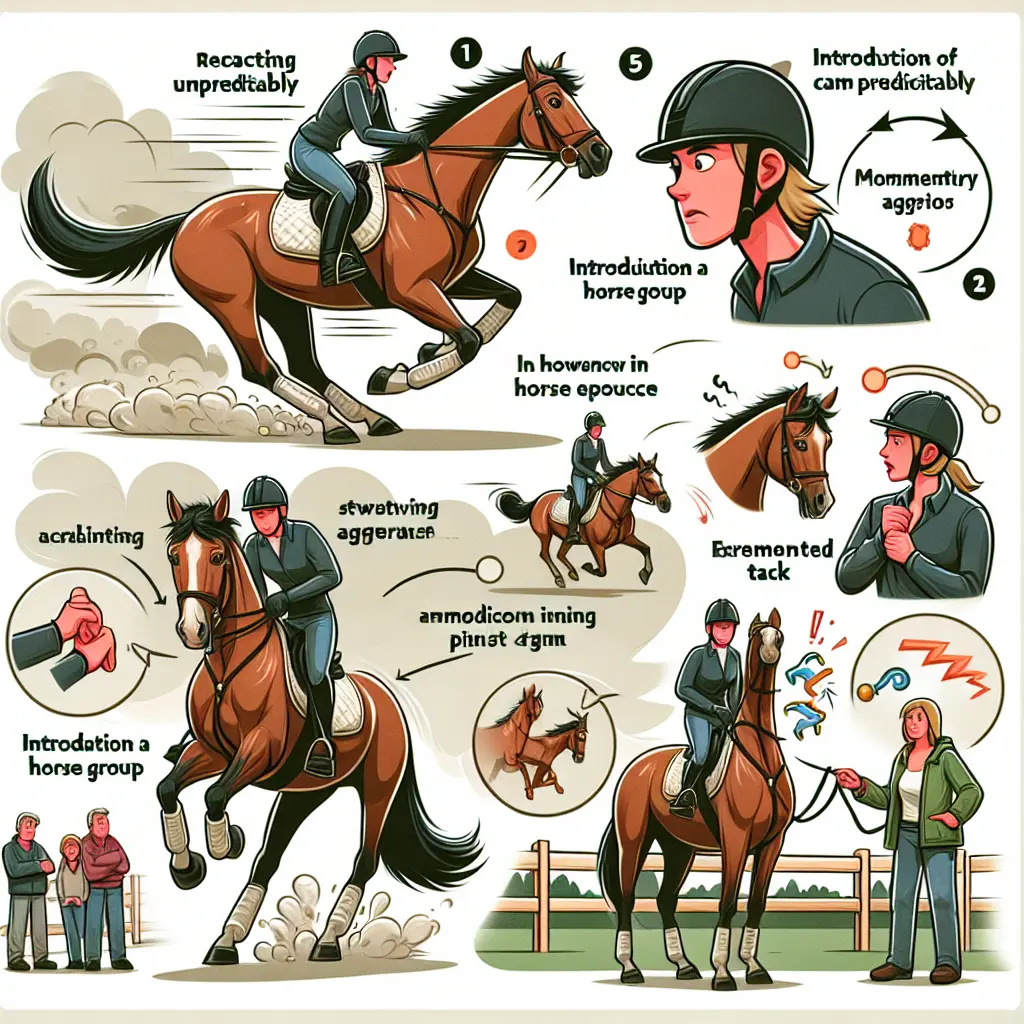
Become skilled at interpreting a horse’s communication cues. For example, pinned ears often suggest aggression or irritation, while a raised head and tense muscles may indicate fear.
Maintain Predictable Riding Patterns
Using consistent signals and aids helps the horse understand your intentions and reduces confusion, thereby lessening the likelihood of unpredictable responses.
Plan Routes Thoughtfully
Choose trails that match the experience level of the horse, avoiding overly challenging or noisy areas that might provoke anxiety.
Engage Professional Help When Needed
If your horse exhibits intense spook responses or aggressive behaviors, consulting with equine behavior specialists or trainers experienced in desensitization may be necessary.

Importance of Understanding Aggression and Social Behavior
Aggressiveness among horses can result in hazardous unpredictability during rides. According to studies, introducing new horses tends to heighten aggression until dominance hierarchies stabilize, influencing behavior during group hacks [4].
Facts Highlighting the Challenges
- The use of wireless heart-rate monitors has detected significant physiological stress during spook events [2].
- Reports indicate that agonistic and reactive behaviors vary, but they follow identifiable patterns [1].
- The introduction of new horses often leads to days or weeks of elevated aggression until social ranks stabilize [4].
Conclusion
Incorporating scientific insights with practical approaches, riders can predict and manage horse behavior effectively during hacks. This balance ensures a safer, more enjoyable riding experience—helping riders to build lasting connections with their equine partners while exploring the trails. Explore the full range of Everyday Horse Vitamins & Supplements for enhanced horse health and performance stability.