

Trouble-Free Transports: Overcoming Horse Loading Challenges with Expert Tips

Transporting horses smoothly is both a necessity and a challenge for equestrian enthusiasts. From ensuring their welfare during journeys to averting accidents, each step requires precision. Let's dive into the nuances of this subject, equipping you with expert tips for a seamless horse transport experience.
Understanding Horse Loading Challenges
Loading horses can be an anxiety-inducing task for handlers and equines alike. A recent Australian study highlighted that 25% of participants experienced horse injuries during transport, often occurring when the vehicle was moving. The primary culprits? Horse-horse interactions, scrambling, and slipping.
Key Statistics on Horse Transport Injuries
The tension escalates with poor practices. A significant 72% of injuries stem from horse-related behaviors like scrambling. Another study in Italy underscores that using whips during loading increases injury risk to both the horse and handler.
Expert Tips for Safe Horse Loading
1. Proper Equipment and Preparation
Ensuring the right equipment is in place is paramount:
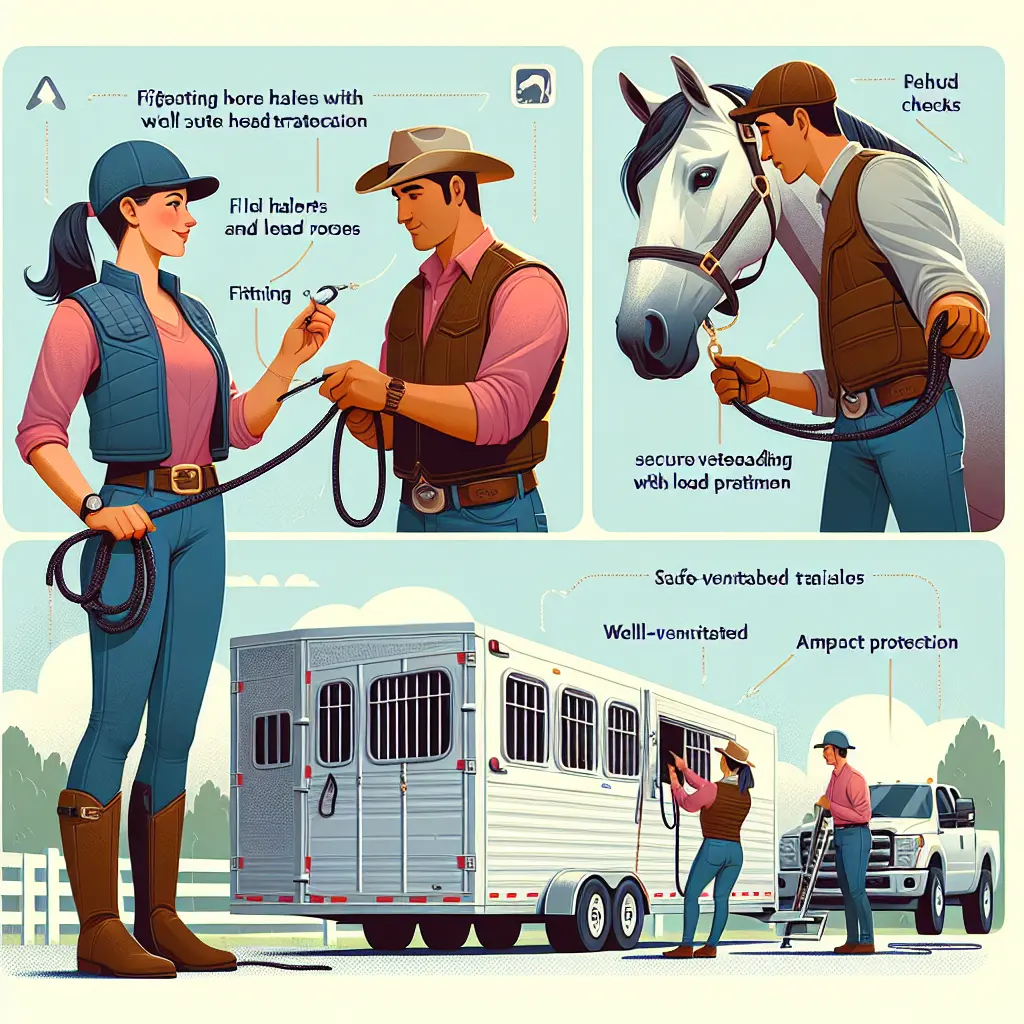
- Halters and Lead Ropes: Equip your horse with a properly fitting halter. Use a lead rope for more control, as advised by Horses.Extension.
- Trailer Design: Prioritize trailers with adequate ventilation and secure interiors to shield horses from impacts.
2. Safety Checks Before Transport
Embarking on a trip without thorough safety checks is a common pitfall:
- Vehicle Inspection: Check the brakes and secure the trailer to the towing vehicle.
- Towing Capacity: Verify the vehicle has the capacity to handle the combined weight of the trailer, horses, and gear, following guidelines from Purdue Extension.
3. Safe Loading Techniques
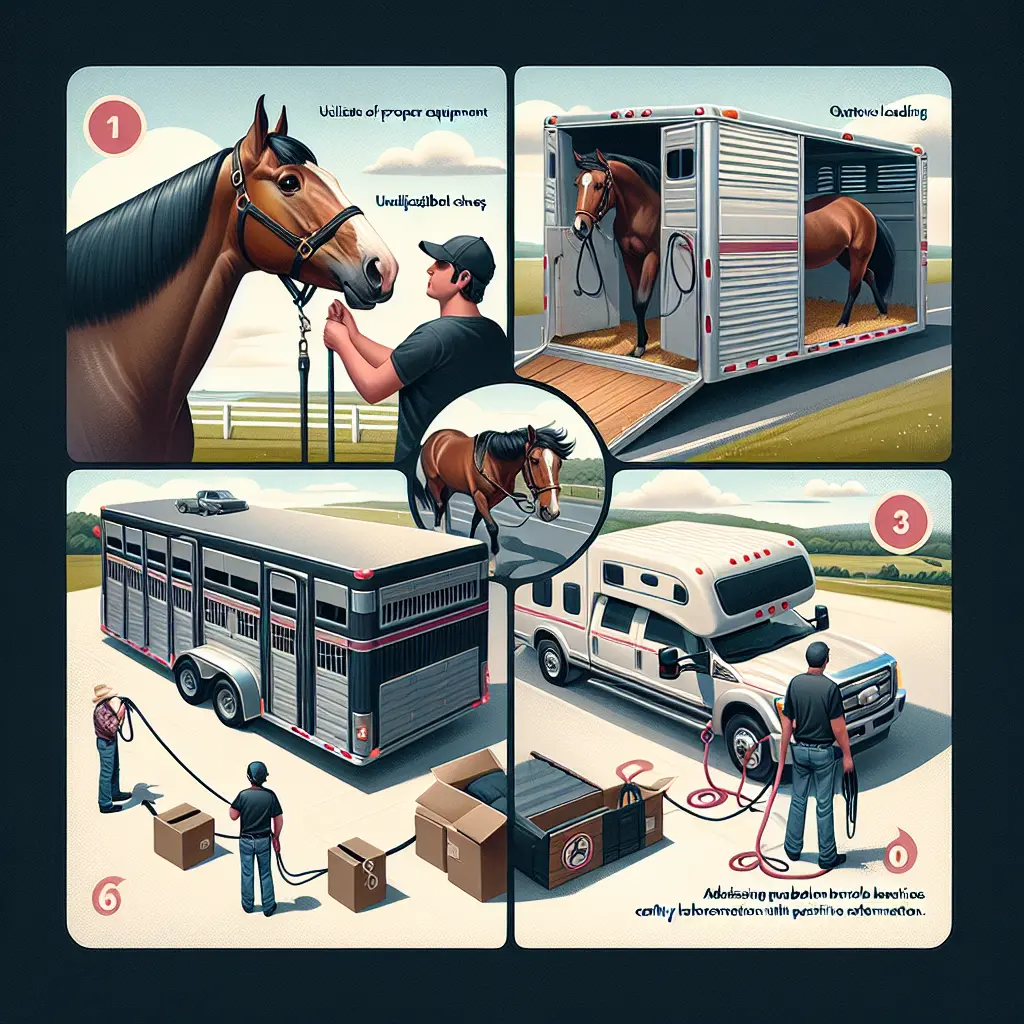
Gradual Loading is key. Begin by allowing your horse to explore a mock setup and exit comfortably, gradually introducing the actual trailer. Reward calm behaviors to curtail stress and avoid coercion using whips.
4. Handling Problem Behaviors
It's essential to diagnose if a horse exhibits resistance due to fear or anxiety. Gentle training can address such issues, or consulting a professional equestrian trainer might prove beneficial.
5. Regular Training and Familiarization
Regularly practicing loading and unloading turns it into a routine adventure for your horse. Familiarizing your horse with the trailer, perhaps with treats and gifts, can make the process less daunting.
Practical Advice for Smooth Transports
Emphasize Comfort and Calm
Beyond physical safety, mental well-being is vital. Horses, inherently sensitive to environmental changes, can benefit from pre-trip routines aimed at reducing anxiety. Consider the right apparel for the journey, such as items from the Jodhpur Collection.

Consistency is Key
Consistency in your approach reassures the horse, fostering a predictably calm environment. Regularly inspect and clean trailers, ensuring they remain free of foreign scents that might alarm your horse.
Equip for Every Condition
Prepare your transport kit to handle any environmental scenario. Ensure your horse's comfort with appropriate rug choices, be it stable rugs or turnout rugs.
Conclusion
Transporting horses involves meticulous planning intertwined with a deep understanding of equine psychology. With diligent preparation, informed decisions about equipment, and handling, you can transform this intricate dance into a graceful waltz. Remember, a little training can go a long way in evolving your horse's association with transporting from dreaded to delightful. For all your necessary horse riding gear, explore the Horse Riding Boot Collection today to find what best suits your journey.
The road of horse transportation, though filled with challenges, is one paved with opportunities for learning and growth. Invest in this learning journey, ensuring each ride is safer and more enjoyable for your cherished equine companions.