

Understanding and Addressing Behavioral Changes in Horses: From Anger to Peace
Horses are undoubtedly one of the most majestic creatures on Earth, renowned for their intelligence and emotional depth. Whether galloping across open fields or standing gracefully, these noble animals often become a beloved part of our families. However, as with any living beings, they can experience behavioral changes that may puzzle or concern their owners. These changes can range from aggression and anxiety to lethargy and depression. Therefore, understanding the causes of these changes is essential for crafting effective strategies to ensure the well-being of your horse.
Causes of Behavioral Changes in Horses
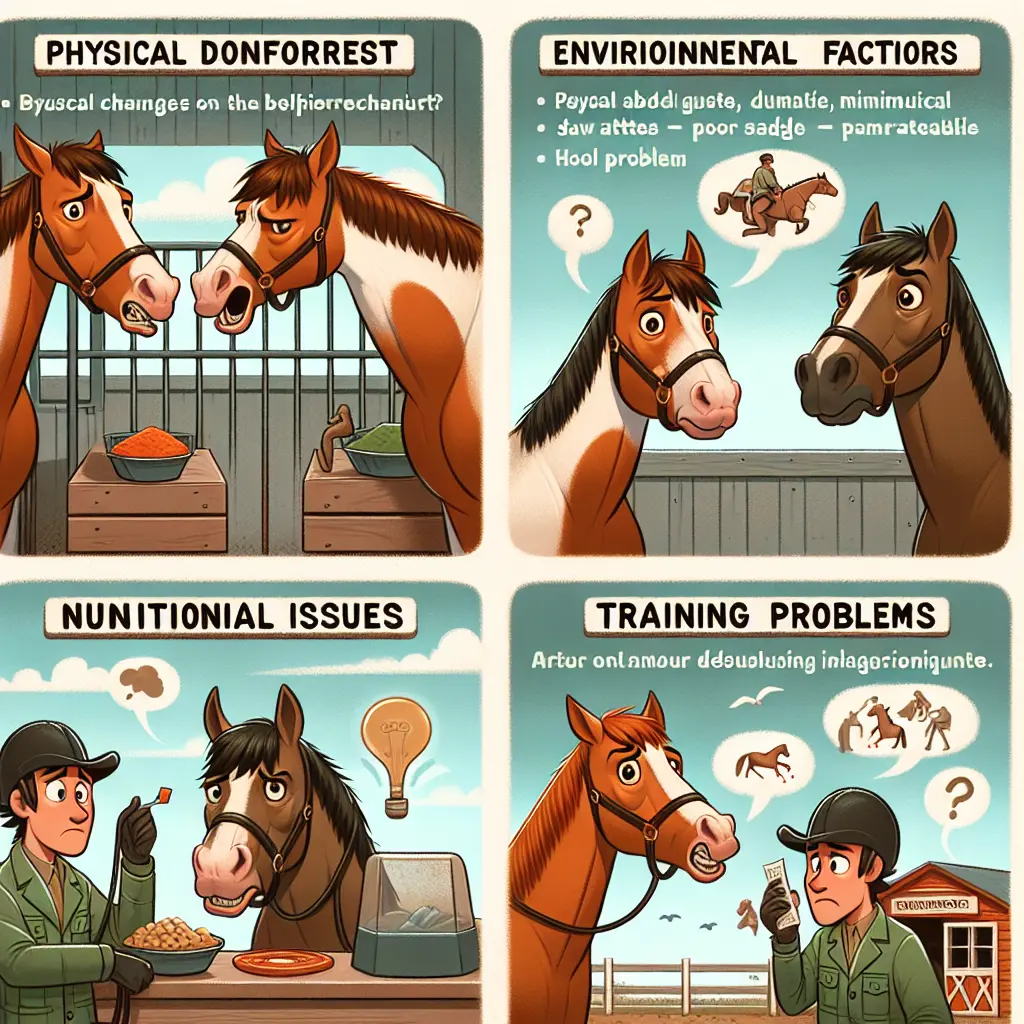
Behavioral changes in horses are complex and can stem from a variety of factors, including physical discomfort, environmental factors, nutritional issues, and training problems.
1. Physical Discomfort
Pain and soreness are among the most common causes of behavioral shifts. Several conditions may affect your horse:
- Dental problems: Issues with their teeth can cause considerable discomfort and lead to aggression or withdrawal. Horses, like humans, need regular dental check-ups to avoid such discomfort.
- Back pain: Poorly fitted saddles or incorrect riding techniques often lead to back pain, making horses reluctant to participate in activities they generally enjoy.
- Lameness: Often associated with hoof issues or injuries, lameness can evoke irritability.
- Gastric ulcers: These are common culprits for behavioral changes, such as showing difficulty when ridden (EQUUSIR).
- Metabolic disorders: Conditions like Cushing's syndrome or equine metabolic syndrome (EMS) may result in unexplained aggression or lethargy (Merck Veterinary Manual).

2. Environmental Factors
Environmental changes exert a significant impact on a horse's behavior. Some pivotal factors include:
- Poor stable conditions: Lack of cleanliness, inadequate space, or poor ventilation can generate significant stress.
- Lack of social interaction: Horses are inherently social animals; thus, isolation can breed anxiety and behavioral issues.
- Inadequate exercise: Insufficient physical activity can cause restlessness and lead to misbehavior (Just Horse Riders).

3. Nutritional Issues
Nutritional imbalances or deficiencies critically affect a horse's mood and behavior. A balanced diet that fulfills their nutritional demands is imperative to maintain behavioral stability. Consider consulting an equine nutritionist when in doubt.
4. Training Problems
Improper training techniques or inconsistency can bewilder horses, thereby resulting in behavioral changes. A well-structured and gentle training approach is paramount for maintaining a positive relationship between horse and rider.
Signs of Behavioral Changes
Recognizing behavioral changes early facilitates addressing them efficiently. Here are some signs to be vigilant about:
- Aggression: Exhibited by ears flattened backwards, rapid tail movements, snaking, or squealing (Hunter Stables).
- Depression: Symptoms include a lack of appetite, lethargy, or withdrawal (Horse Side Vet Guide).
- Misbehavior under saddle: Refusal to perform tasks or reluctance to move forward can highlight underlying issues.
Addressing Behavioral Changes
Once the root cause of a behavioral change is identified, you can begin crafting solutions. Here are some strategies to consider:
1. Consult a Veterinarian
Rule out any physical causes for behavioral alterations. A veterinarian can help identify medical issues such as pain, metabolic disorders, or hormonal imbalances.
2. Environmental Adjustments
Ensure your horse's living conditions are comfortable and conducive to their well-being. This includes providing spacious stables, ample social interaction opportunities, and regular exercise.
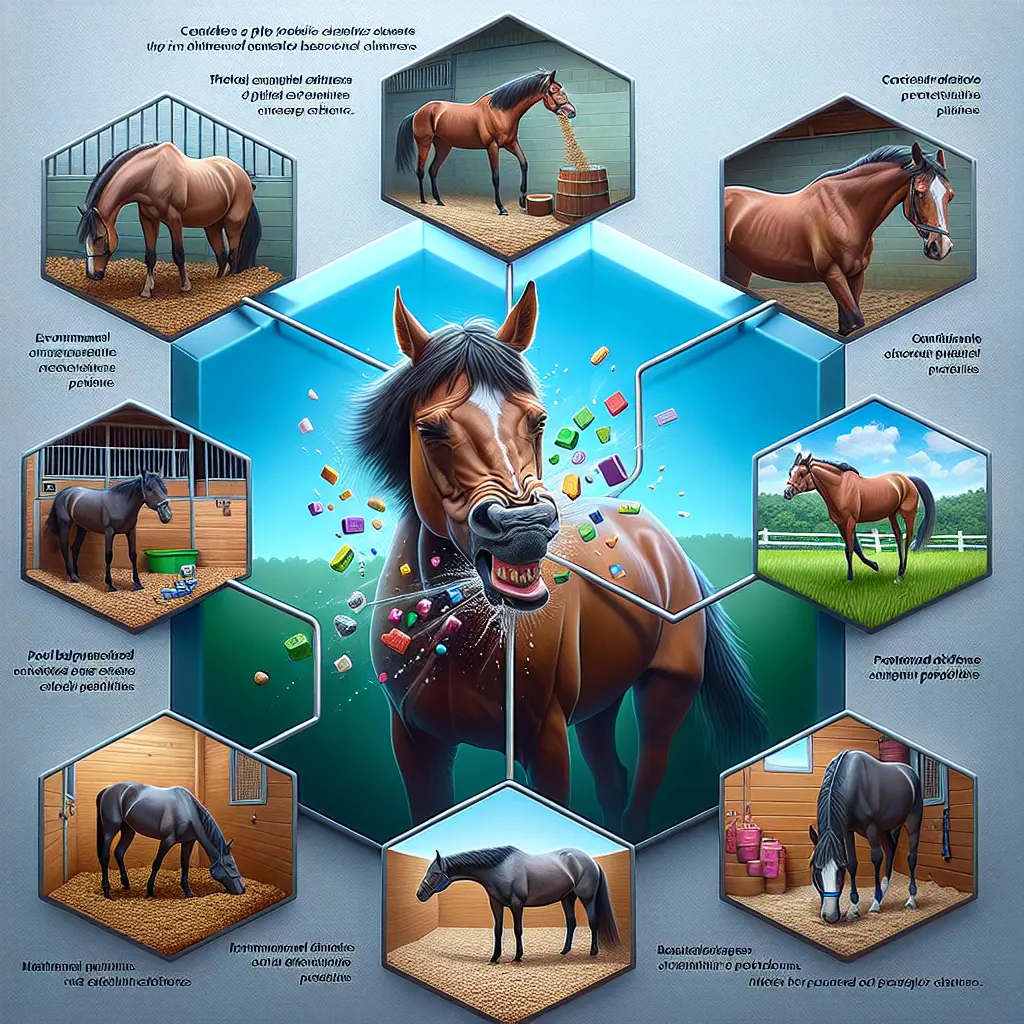
3. Nutritional Evaluation
Reviewing your horse's diet ensures it is balanced. Proper nutrition plays a vital role in stabilizing behavior. Take assistance from an equine nutritionist if necessary.
4. Training and Handling
Implement gentle yet consistent training techniques. If needed, consider seeking help from a professional trainer.
5. Patience and Understanding
Correcting behavioral changes often necessitates time and patience. Be understanding, and always remember that every horse responds uniquely to changes in their environment or physical state.
Conclusion
Understanding behavioral changes in horses requires a holistic approach that considers their physical, emotional, and environmental well-being. By identifying the root cause of these changes and implementing appropriate strategies, you can help transition your horse from anger to peace. Always consult with veterinarians and equine professionals for personalized advice tailored to your horse's specific needs. For an array of horse-related products and supplements, visit our homepage.