

Training an Excitable Horse: Strategies for Success
Training an excitable horse presents unique challenges but can ultimately lead to rewarding outcomes. Understanding your horse’s temperament is essential in deciding whether to persevere with training or to consider other options. In this blog, we will explore effective strategies that can enhance your horse's training experience and how to determine the right path forward.
Understanding Excitability in Horses
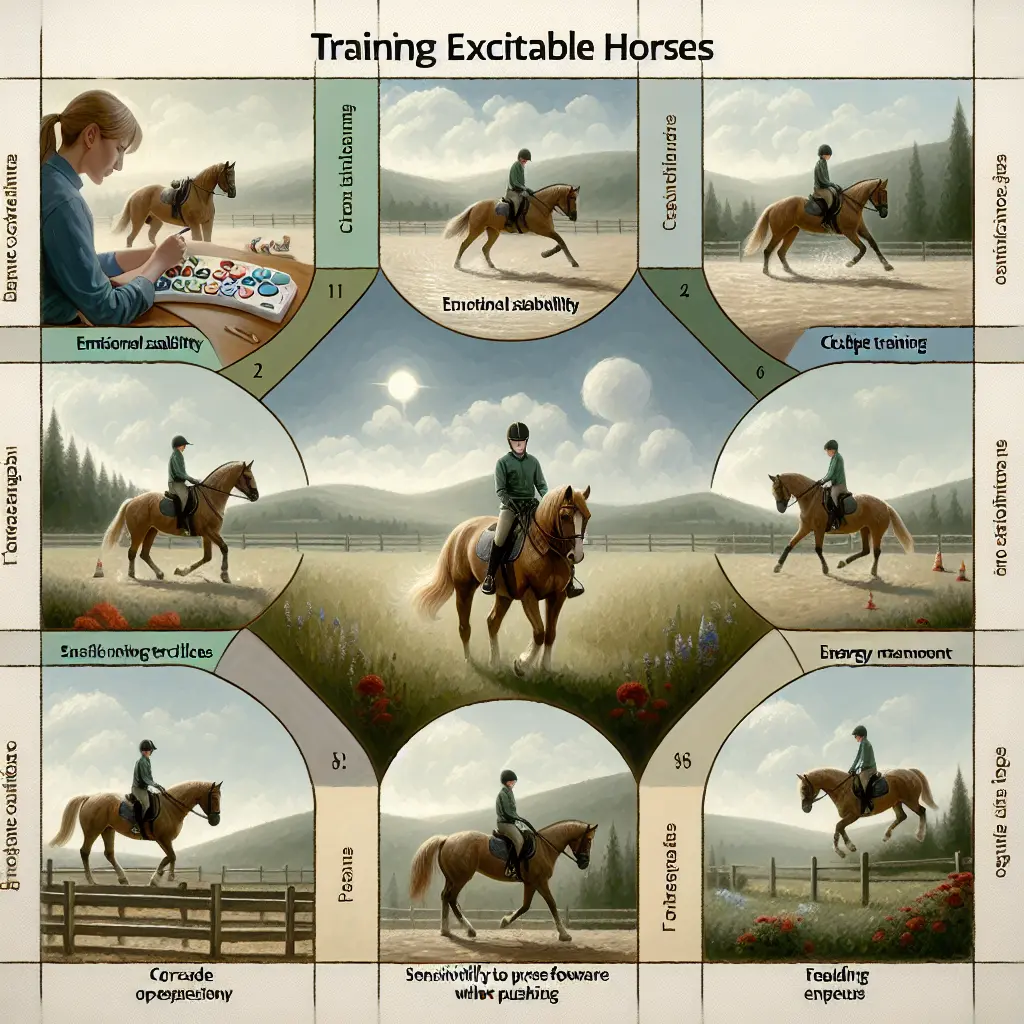 Excitability in horses refers to their natural tendency to react eagerly or nervously to stimuli. This can manifest through behaviors such as rushing, spooking, or showing signs of tension. Horses with high energy and sensitivity require careful management to ensure their energy is directed positively during training. Achieving emotional stability is the goal so that horses can perform energetically yet calmly. When energy and tension are mismanaged, a horse may become uncontrollable and overwhelming.
Strategies for Training an Excitable Horse
1. Work on Emotional Stability and Energy Management
Training excitable horses to perform energetically but without losing control is vital. Techniques such as clicker training offer clear communication and positive reinforcement, helping horses understand expectations and feel secure. Consistent signals and rewards can encourage relaxation and responsiveness.
2. Use Varied, Engaging Exercises
Monotonous training can lead to boredom, making an excitable horse even more reactive. Engaging exercises that include shapes, changes of rein, and bending motions—such as circles, serpentines, and teardrops—provide mental stimulation and promote focus and relaxation. Gradually introduce these exercises based on the horse's fitness level to avoid frustration or injury.
3. Train Sensitivity to Pressure and Release
Sensitive horses may interpret aids as signals to flee. Begin on the ground by teaching the horse to respond to pressure thoughtfully. For instance, applying gentle contact on the lead until the horse softens and relaxes, then releasing the pressure. This approach builds confidence and encourages a calm engagement with pressure. Progress these principles under saddle to further reinforce trust and understanding.
 4. Ride Forward with Purpose and Patience
Encouraging forward movement helps channel the horse's energy productively while maintaining control. Ride forward steadily, ensuring the horse focuses on the aids rather than reacting impulsively. Patience is essential, especially for horses returning from breaks in training. Gradual conditioning and schooling restore fitness and suppleness, preventing rushing and tension.
5. Know When to Adjust or Seek Help
Not all techniques are suitable for every horse. If your horse remains unmanageable or stressed despite consistent, thoughtful training, consult a professional trainer specializing in excitable horses. Specialized equipment and expert guidance can make a significant difference where amateur attempts have not succeeded.
Should You Persist or Call It a Day?
Deciding to continue training depends on the horse's progress, your resources, and personal enjoyment. Consider the following:
- Your horse’s progress: Are there measurable improvements in emotional stability and responsiveness?
- Your resources: Do you have the time, expertise, and access to professional help?
- Your well-being: Is the process enjoyable and safe for both you and the horse?
- The horse’s personality: Some horses are naturally more excitable, requiring patience and tailored training.
Should your horse remain uncontrollable despite all efforts, rehoming or focusing on less demanding activities might be a more suitable option for their safety and welfare.
Conclusion
Training an excitable horse involves a blend of energy management, engaging exercises, and pressure-release techniques. Knowing when to seek professional help or adjust your approach is crucial. By following these strategies, you can enhance your horse's training experience and make informed decisions about your ongoing journey.
Additional Resources
- Jodhpur Collection
- Horse Riding Boot Collection
- Horse Riding Gloves Collection
- Horse Riding Socks Collection
- Horse Treats And Gifts
- Horse Fly Protection

Explore More
Looking for more ways to enhance your horse training experience? Check out our wide range of Stable Rugs for added comfort, or explore our Turnout Rugs for extra protection during outdoor training. For daily needs, our Everyday Horse Vitamins & Supplements collection can ensure your excitable friend remains healthy and fit.
Utilizing these research-backed strategies, you can transform your horse's training journey, steering them towards a calm and controllable future while ensuring your riding experience remains safe and enjoyable.