

Navigating the World of Equestrian Event Programs: Expectations vs Reality
The equestrian realm is full of allure, grace, and somewhat surprisingly, a touch of organizational chaos. When it comes to attending a world-class equestrian event, many anticipate a well-crafted, comprehensive program that serves as a dependable guide throughout the experience. Think polished schedules, detailed competitor bios, and up-to-the-minute course maps. Yet, reality often paints a different picture. Welcome to the bumpy journey through the expectations versus realities of equestrian event programs.

What You’ll Learn
- The ideal contents of an equestrian event program
- Common discrepancies between expectations and reality
- Data-backed insights on why program quality matters
- Actionable tips for competitors, spectators, and sponsors
- Recommendations for organizers to enhance program quality
What a Perfect Program Contains
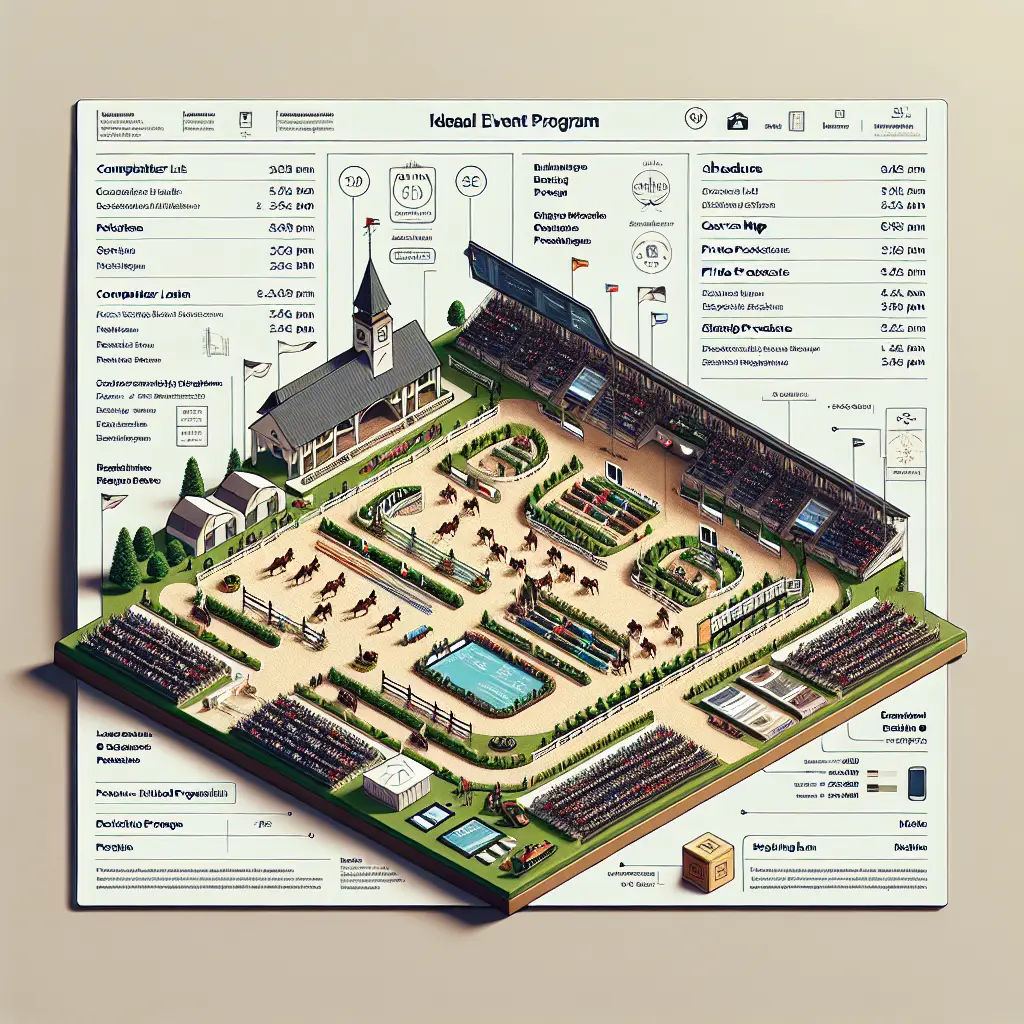
Imagine an equestrian program that ticks every box, one that attendees can rely on for accurate and timely information. An ideal program would offer:
- Event Overview and Schedule: Detailed session start and end times, ring allocations, and noteworthy activities. This transparency is crucial for planning arrival and warm-up windows. Learn more from US Equestrian.
- Competitor Lists: Featuring class entries, horse names, barns, and start orders, which are essential for trainers and owners.
- Course Maps and Venue Layout: Including parking, stabling information, and emergency points. An absolute necessity for first-time visitors.
- Prize Lists and Payout Structure: Important for professionals assessing event value, and helps competitors make critical financial decisions.
- Stewarding, Scoring, and Protests Procedure: Helps competitors understand the resolution of disputes.
The Realities of Event Programs
In reality, thanks to varying event sizes, budgets, and organizational priorities, equestrian event programs are often a mixed bag. Many enthusiasts have come to embrace the unpredictability.
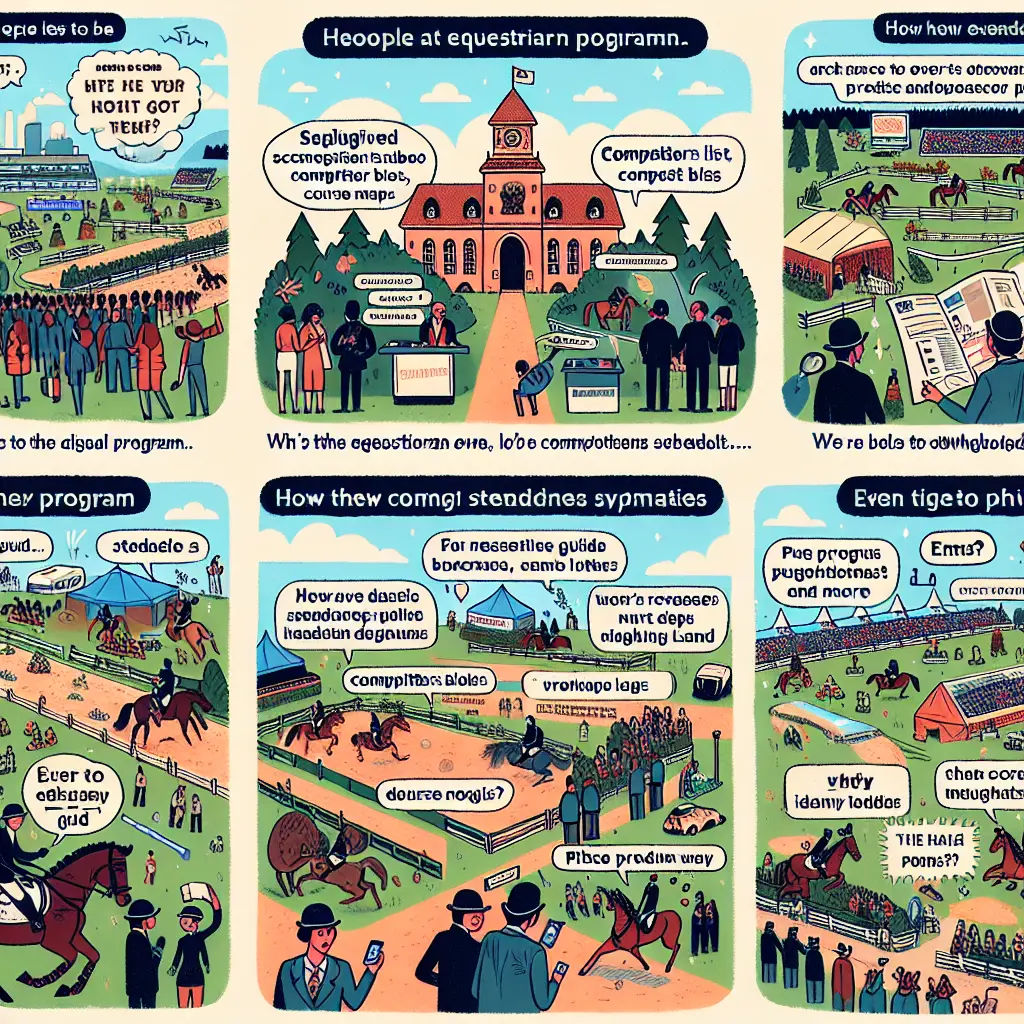
Expectation vs. Reality
-
Expectation: Programs are released in advance.
Reality: Smaller shows might publish programs last minute. Attendees should verify dates with organizers beforehand. Tip: Confirm start lists 24-48 hours before and follow official communication channels. -
Expectation: Static start orders.
Reality: Substitutions and time adjustments are common. Incorporate flexibility into warm-up plans. -
Expectation: Comprehensive competitor bios and photos.
Reality: Many programs prioritize schedules due to budget constraints. Use event websites for more details. -
Expectation: Printed, detailed programs.
Reality: Digital-first solutions are increasingly common. Download offline PDFs and always carry a portable charger!
Event Scale and Program Quality
Large-scale events such as the Winter Equestrian Festival and National Horse Show often produce more detailed programs, thanks to more extensive budgets and media partnerships, resulting in strategic planning and consistency.
Why Program Quality Matters
What’s the fuss about program quality? Beyond logistics, a clear, polished program significantly elevates the sponsor visibility and potential revenue. Such materials aid in documenting results, supporting media coverage, and ensuring event safety by including emergency contacts and rules. With US Equestrian reporting an 8% membership increase to 83,000 and broadcasting rights for nine equestrian events on major channels, the demand for accurate programs has never been higher.
How to Prepare as an Attendee
Whether you're a competitor, a groom, a spectator, or a sponsor, preparing well can make or break your event experience.
Practical Tips
- Download and Save: Always have both digital and hard copies of the event program and start lists.
- Confirm Class Times: Check in 24-48 hours prior to ensure arrival with ample buffer time.
- Carry Essentials: Never leave home without printed copies of schedules, venue maps, and key contacts in case of technical failures.
Raising the Program Quality: Advice for Organizers
Creating a stellar equestrian program isn’t as taxing as breaking-in new boots. Organizers have many opportunities to enhance the quality:
Actionable Recommendations
- Include a brief “How to Use This Program” section to guide newcomers.
- Maintain a consistent layout: schedules, start lists, maps and rules should be intuitive.
- Offer both digital and printed copies: this ensures accessibility for all attendees.
- Implement a change-log or “last updated” timestamp for real-time updates.
Digital Programs: Advantages and Pitfalls
While digital-first programs are highly adaptable with real-time updates, they are not without challenges. Connectivity issues can render them inaccessible to some attendees. Therefore, providing printable PDFs and offering assistance is key.
Resources and Links
- Explore US Equestrian's strategic plans.
- Find more about the 2025 Winter Equestrian Festival.
- Read about US Equestrian meetings and discussions.
Quick FAQ
-
Should I rely on printed programs?
Use them if provided, but check the event's official channels for dynamic updates. -
Are digital programs reliable?
Yes, but ensure you download offline versions to combat connectivity issues. -
What lead time should I expect?
Larger events highlight schedules in advance, while smaller shows might update few days prior. Confirm with organizers.
In Conclusion
While navigating equestrian event programs can sometimes feel like hitting every pothole on the trail, a little planning, communication, and flexibility can provide smoother rides. Attendees and organizers alike can play a crucial role in elevating program quality while preserving the unique, lively spirit of these unparalleled events.