

Welcome, horse enthusiasts and equestrians of all stripes! Today, we tackle one of the most transformational journeys you might undertake with your equine partner: transitioning an ex-racehorse, often referred to as an OTTB (Off-Track Thoroughbred), to a new saddle. The topics we'll cover are vital to ensuring both comfort and performance as you embark on this new chapter with your newfound racing superstar!
Understanding the Unique Needs of Ex-Racehorses
When welcoming an ex-racehorse into your barn, understanding their unique needs is paramount. These horses often come with what one might call “battle scars” from the track—such as high withers and muscle atrophy—which can complicate saddling experiences. Racing hasn't just kept them on their toes figuratively; literally, their back tension and stress from fast-paced environments have contributed to unique physical challenges.
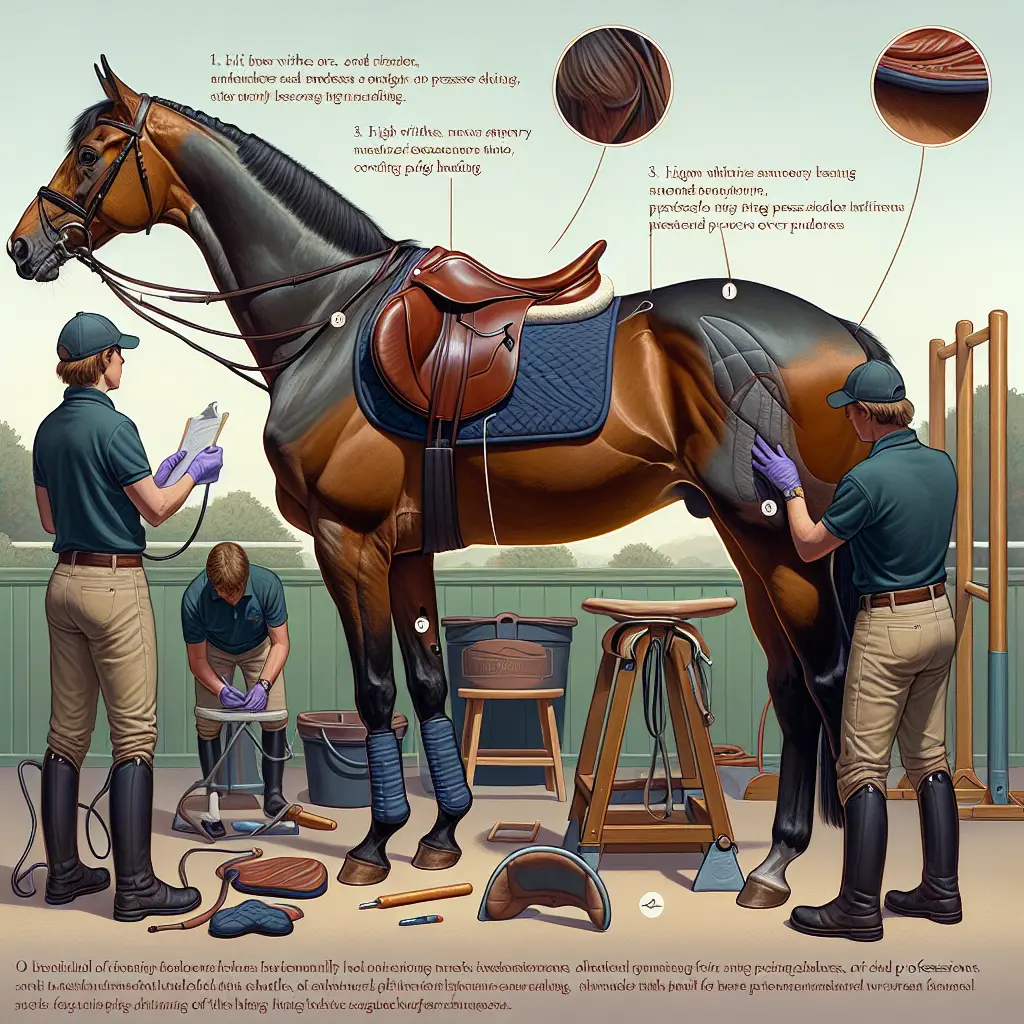
Why Saddle Fit Matters
A well-fitting saddle isn't just a nicety; it's a necessity. A plethora of ex-racehorse riders have discovered that improper saddle fit can create forming issues like pressure points, bridging, or instability. A testament to this, one lucky Thoroughbred transformed its back beautifully within a month after simply switching to a wider saddle coupled with corrective padding (source).
Step 1: Allow Time for Adjustment and Groundwork
A rushed transition is a fraught one. Before throwing a new saddle onto an OTTB, allow them a period of downtime for decompression—weeks to months. This time helps them shake off the relentless schedules and handling they’ve grown accustomed to on race tracks.
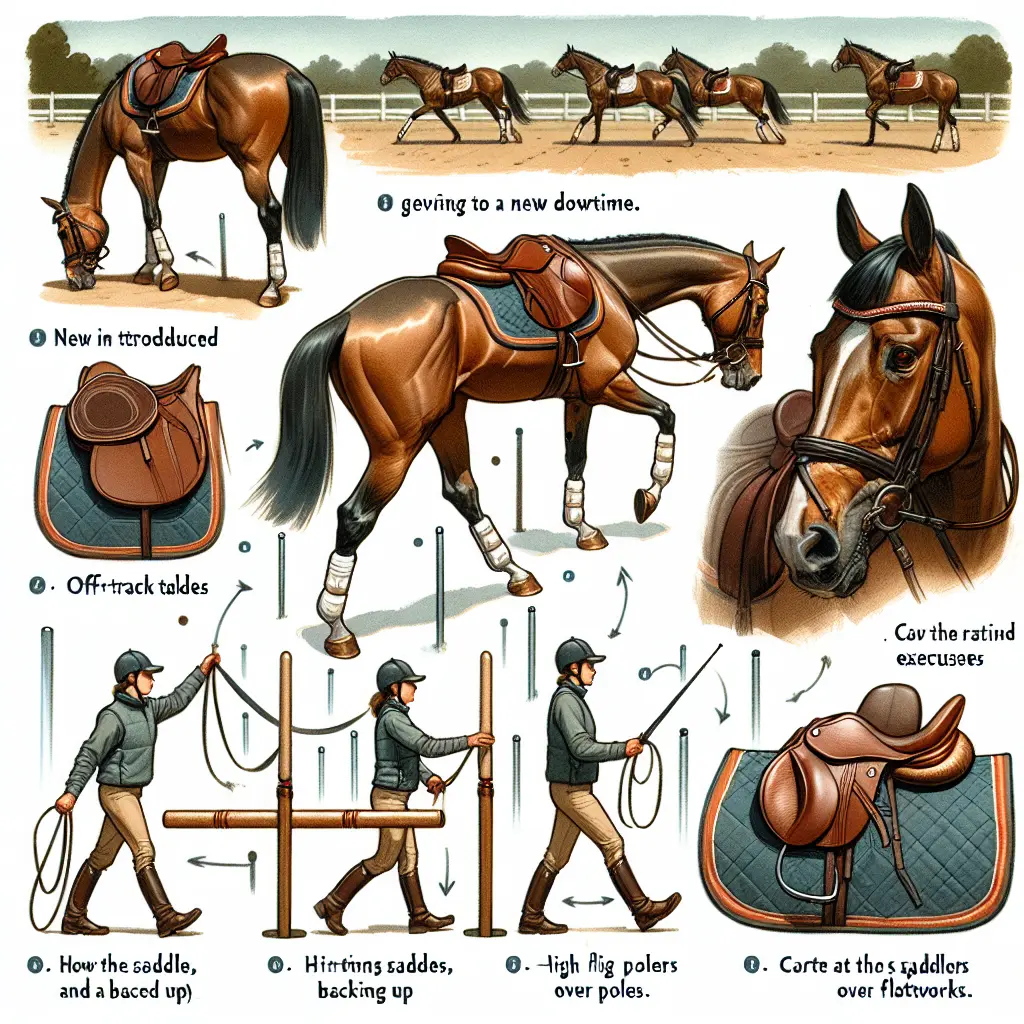
Importance of Groundwork
Proper groundwork builds trust and establishes rapport. Train your horse to respond and coordinate by leading over poles and introducing new stimuli like tarps. This groundwork is essential to allowing your horse to freely move with you as opposed to resisting out of stress or discomfort (source).
Step 2: Assessing Your Horse's Back and Conformation
The backbone of a successful saddle transition is literally about the back. It's crucial to consider the traits unique to your ex-racehorse, cushioned either by high withers, sway backs, or unevenness which might require special shims or pads during fitting.
Identifying Key Traits
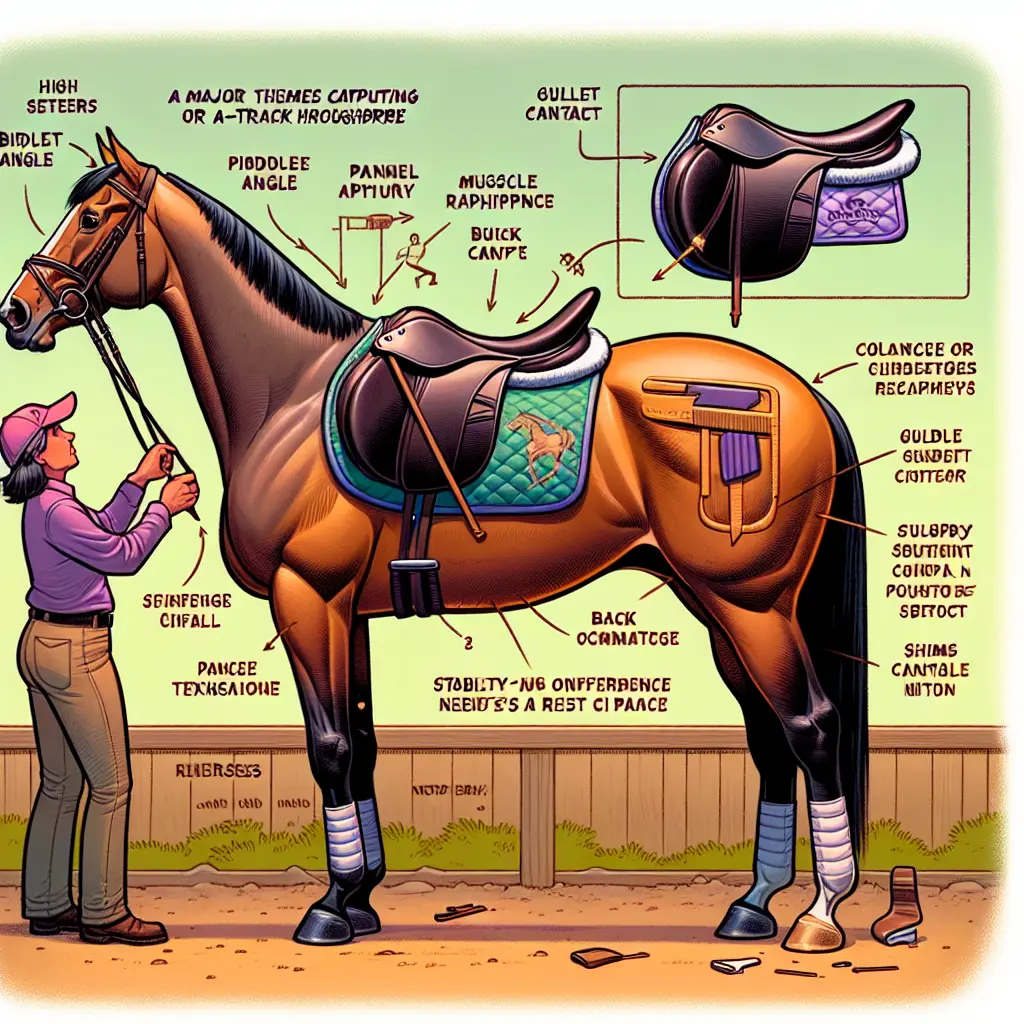
Some typical characteristics include high withers needing front shims, or a hollow back calling for bridging shims. Additionally, if your horse has an uneven back, specialized shims might be necessary to ensure even weight distribution (source).
Step 3: Choosing and Test-Fitting the Right Saddle Type
Selecting the right saddle is akin to finding that perfect piece of clothing—fit first, style second. Particularly with the English saddle often preferred for ex-racehorses, it's essential to perform a pre-ride checklist.
English Saddle Fitting Checklist
This is where your tactile skills as a rider come into play. Ensure that the billet angle, panel contacts, and stability are all addressing your horse's specific needs, with an especially attentive eye for signs of poor fit such as a bouncing saddle during motion.
Step 4: The Magic of Shims and Pads
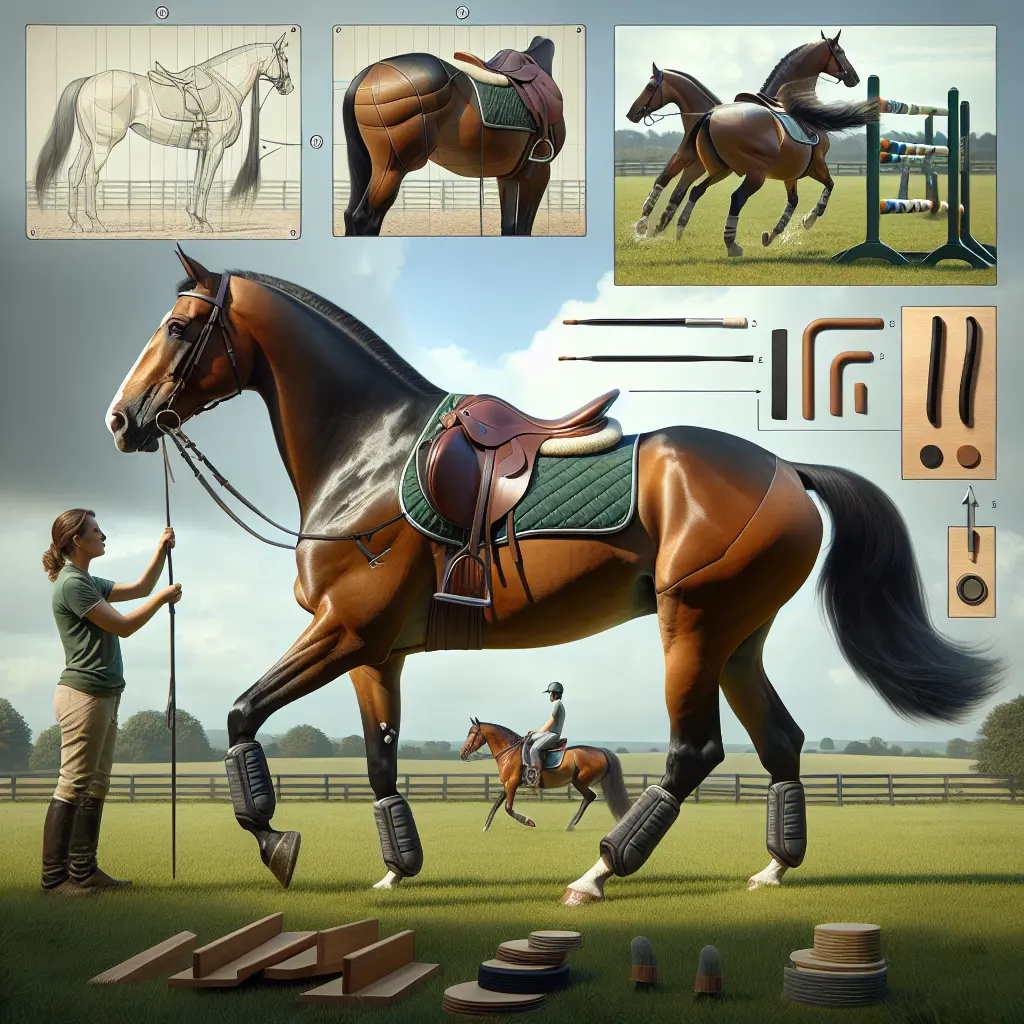
More than just accessories, shims and pads can transform a saddle from “ouch” to “ahh!”. Contouring the saddle to fit your horse’s back specs with these tools is non-negotiable. They can stabilize your saddle like ThinLine pads did for one OTTB, enabling a finish in a major event just days after fitting (source).
Gradual Introduction to the Saddle
Think of the transition as ballet, not a sprint. Start by longeing your horse without a rider, progress to walk-trot sequences over ground poles, and enjoy the process while watching your horse’s comfort levels improve daily.
Step 5: Monitor, Adjust, and Retrain
Your work doesn’t stop once the saddle is comfortably snug. Routine rechecks of the fit are essential, particularly in the early months. Signs of pinching or reluctance to perform certain tasks suggest it’s time for a fit review. Remember, consistency is key for success.
Get the Right Gear for Your Transition
Explore Just Horse Riders' collections for everything your equestrian heart desires: Jodhpur Collection, Horse Riding Boots, Riding Gloves, Riding Socks, Horse Treats & Gifts, and Everyday Supplements.
Conclusion: A New Lease on Life
Patience, kindness, and the willingness to adjust and readjust to suit your horse's evolving needs are all ingredients for a successful transition to a new saddle. While these steps might seem exhaustive, they ensure your OTTB not only looks forward to their saddle time but thrives in their post-racing career. Cherish the journey, enjoy the bond you build with your horse along the way, and click the images for the best in equine apparel from Just Horse Riders.