

Effective Strategies for Managing Weed Overgrowth in Paddocks
Managing weed overgrowth in paddocks is a crucial aspect of maintaining optimal pasture health and ensuring the safety and productivity of livestock. Weeds not only hinder the growth of desired plants by competing for resources but can also be toxic to animals. Let's delve into some effective strategies to help you manage these pesky weeds effectively.
1. Identify Common Weeds
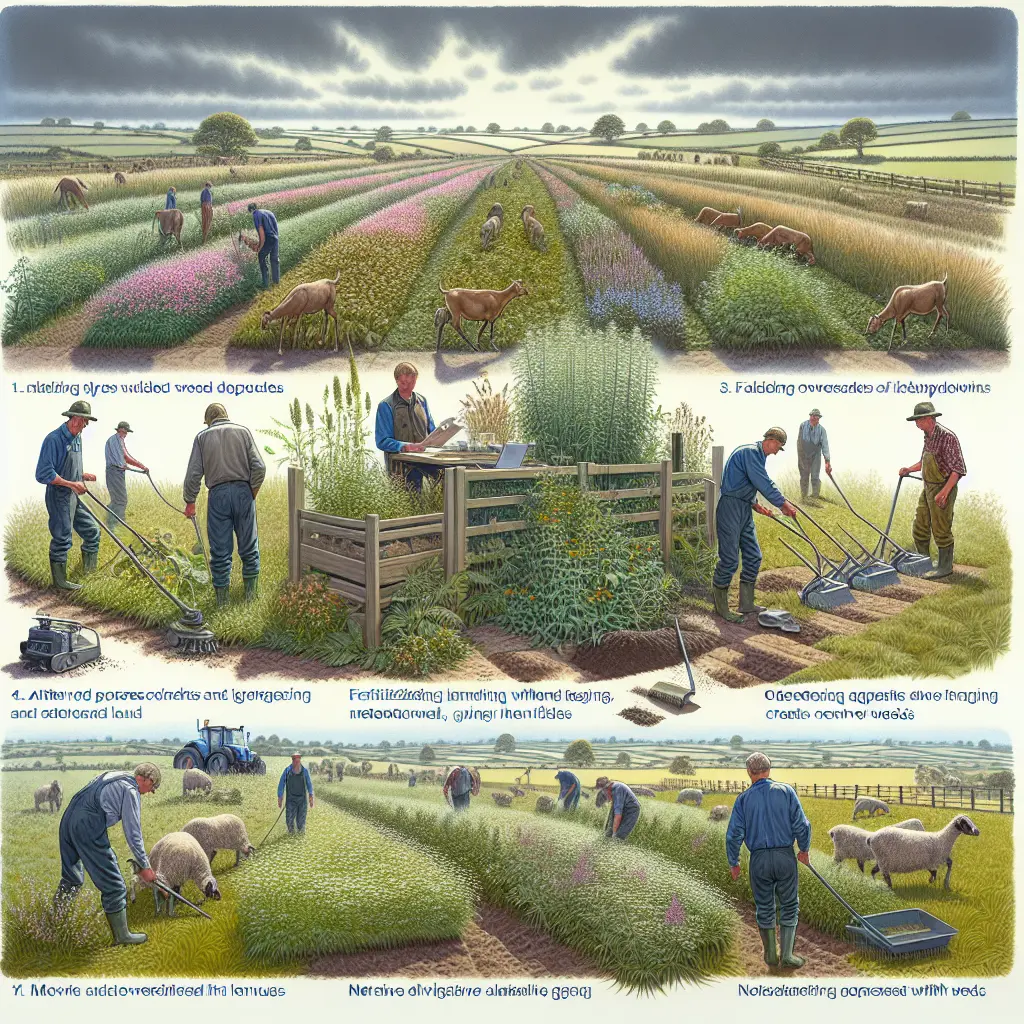
Before jumping into any control measures, it's vital to identify the types of weeds present in your paddock. Common weeds like docks, nettles, thistles, and ragwort may each require a unique management approach. Recognizing these weeds will allow you to tailor your control strategy accordingly.
2. Cultural Practices
Cultural practices are the foundation for preventing weed growth and maintaining a healthy ecosystem within your paddock.
Soil Testing and Fertilization
Ensure your soil maintains the proper pH and nutrient levels. Some weeds proliferate in poor soil conditions, so a simple soil test and appropriate fertilization can help desirable plants outcompete weeds (source).
Overseeding
By adding legumes such as clovers, you can enrich the soil with nitrogen and fill in gaps where weeds might otherwise thrive (source).
Grazing Management
Avoid overgrazing as it weakens the forage stand and invites weeds. Implementing rotational grazing allows pastures to recover, reducing the overall weed pressure (source).
3. Mechanical Control
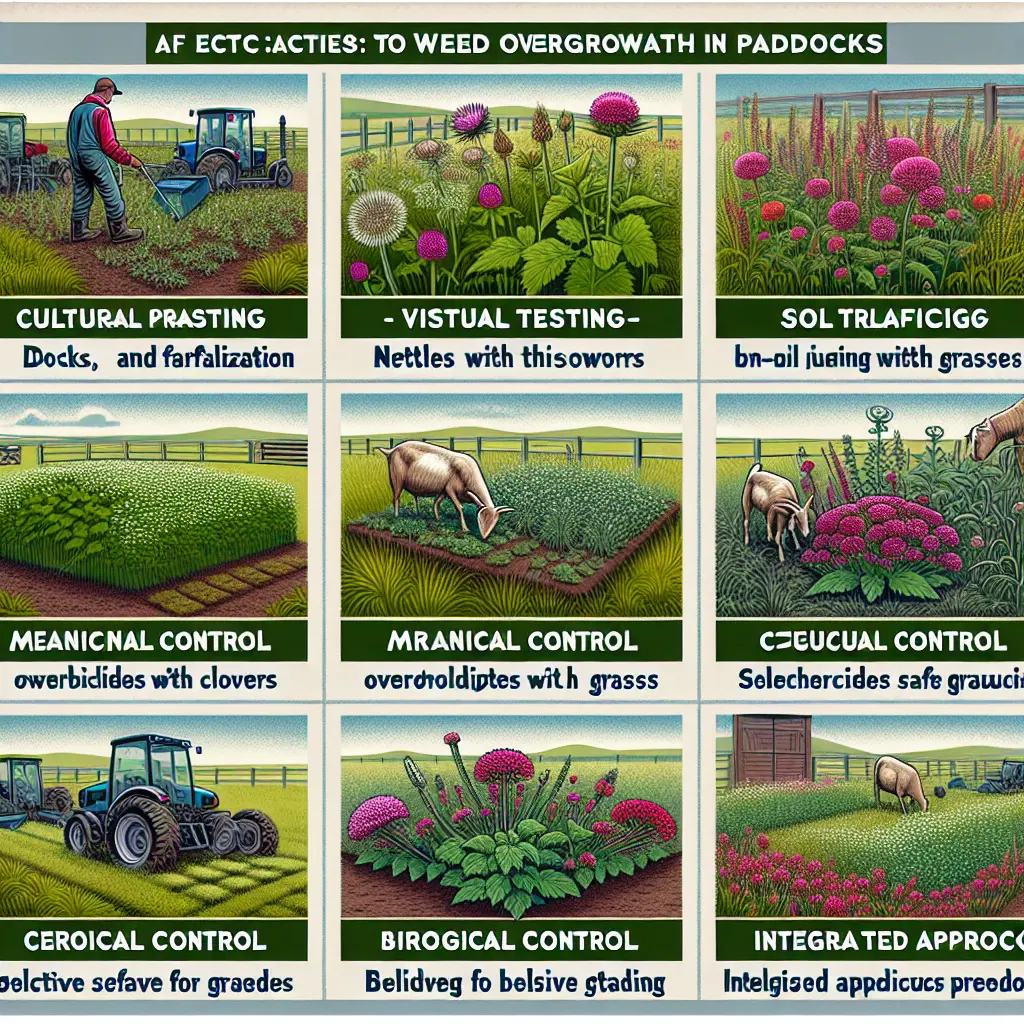
Mechanical methods prove effective in controlling weeds, particularly when combined with other management strategies.
Mowing
Regularly mowing before weeds seed can significantly help in preventing their spread, especially with annual and biennial weeds (source).
Hand-Digging
While requiring more effort, manually digging out weeds like ragwort can be effective in smaller areas. Make sure to dispose of these weeds properly to avoid regrowth.
4. Chemical Control
Herbicides offer a quick and efficient approach to weed control but should be used carefully.
Selective Herbicides
Certain products, such as Grazon Pro, are grass-safe but effective against broadleaf weeds like docks and thistles (source).
Timing and Application
Apply herbicides in optimal conditions, typically between late summer to early winter, and follow label instructions meticulously to safeguard desirable plants and livestock.
5. Biological Control
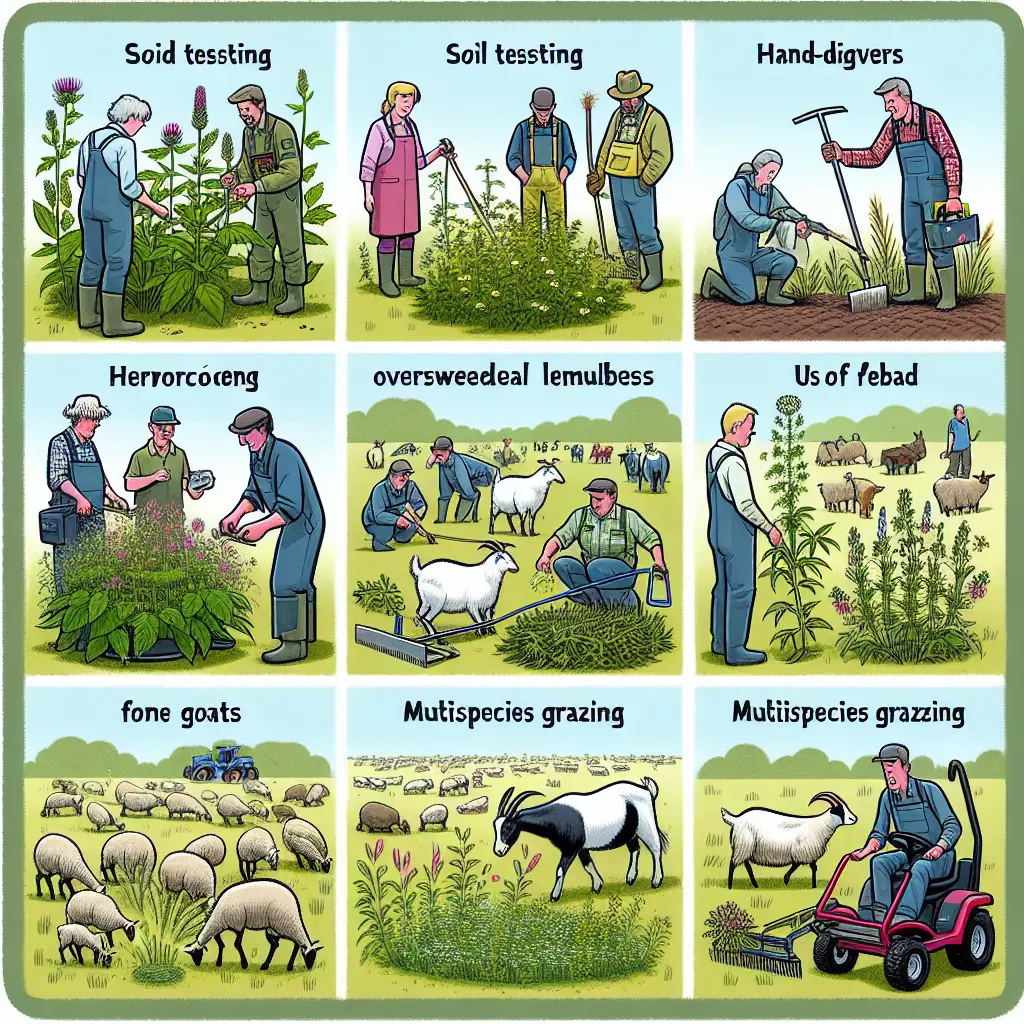
Adopting biological control methods like multispecies grazing can effectively keep weeds in check naturally. For instance, goats are known to consume weeds that other livestock might avoid (source).
6. Integrated Approach
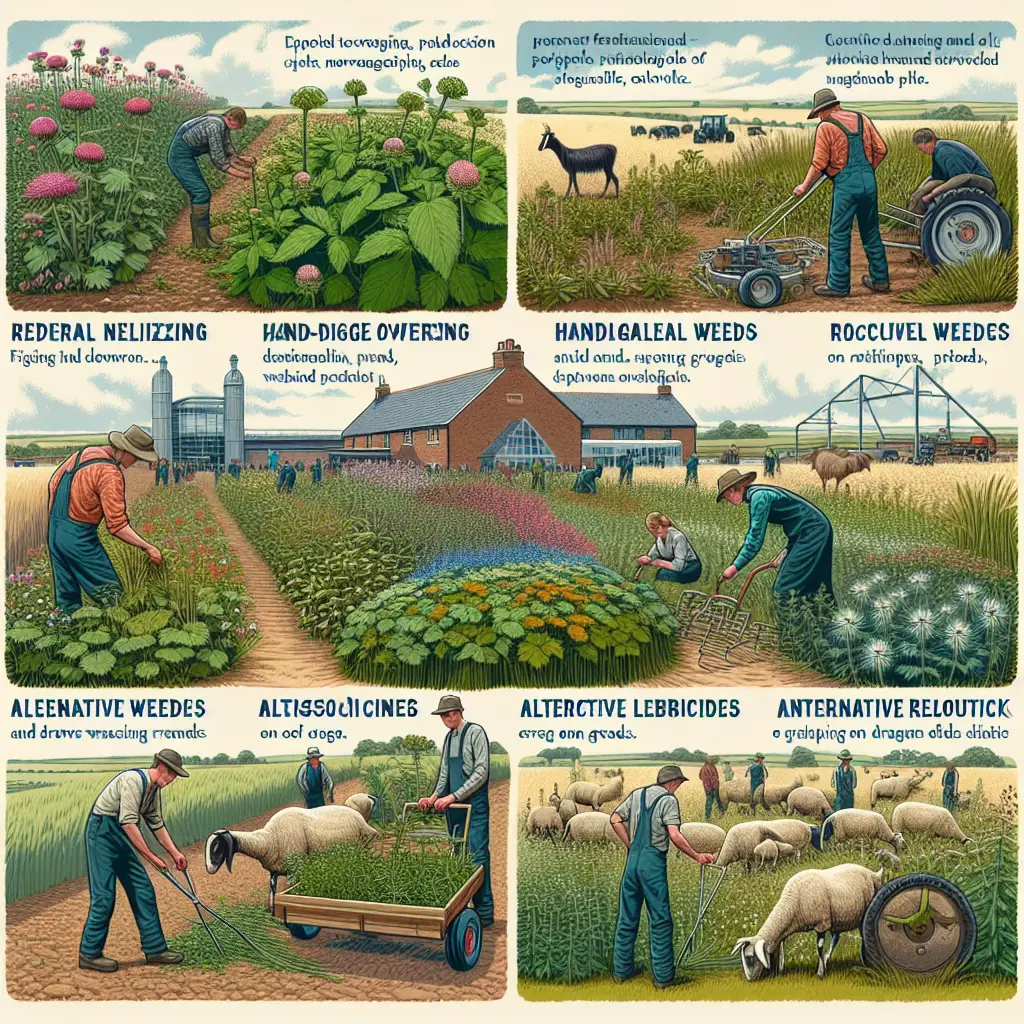
An integrated weed management plan is often the most effective. For instance, mixing mowing with overseeding and selective herbicide application can yield extensive and long-lasting control (source).
Conclusion
Effectively managing weed overgrowth in paddocks demands a holistic approach that combines cultural practices, mechanical, chemical, and biological methods. By understanding the types of weeds present and implementing these strategies, you can cultivate a healthy and productive pasture. For more equestrian solutions and products, consider exploring Just Horse Riders' extensive Jodhpur Collection or perhaps look into their Horse Riding Boot Collection.