

Coping with the Heartache: Understanding the Emotional Struggles of Euthanizing a Beloved Horse
Deciding to euthanize a beloved horse is a profound and emotionally taxing choice that many horse owners face. The experience can leave behind a whirlwind of emotions such as grief, guilt, and isolation. This comprehensive guide delves into the common emotional challenges backed by veterinary research and provides practical steps to ease the heartache while honoring your cherished companion’s memory.
The Weight of the Decision: Why It Feels So Impossible

For horse owners, the bond with their animal can resemble that of a family member rather than a mere pet. This attachment makes acknowledging the suffering of the horse challenging, as owners may subconsciously deny their horse's pain. In a study involving equine veterinary professionals, it was found that while horse welfare is a priority for owners, barriers such as emotional denial often complicate treatment or end-of-life choices (source).
A staggering 89% of horse deaths in a practitioner dataset involved euthanasia, compared to just 29% from unexpected causes, highlighting the prevalence of this heart-wrenching decision (source). Yet, many owners delay this decision due to emotional ties, prolonging the horse’s suffering (source).
The Role of Quality-of-Life Assessments
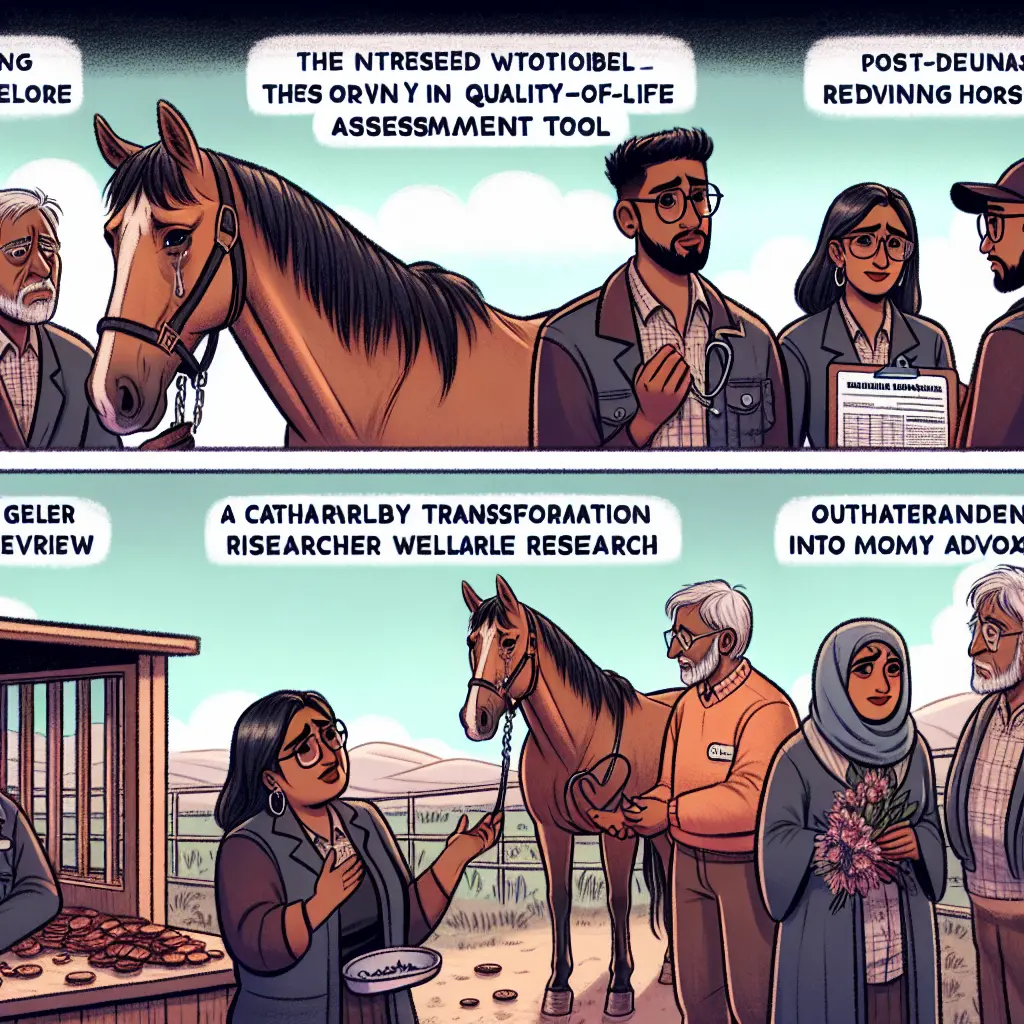
Veterinarians often recommend formal tools such as quality-of-life (QOL) assessments or owner diaries that track pain levels through videos to help owners objectively understand their horse’s condition. This approach can significantly reduce the emotional burden and uncertainty associated with end-of-life decisions (source).
The Grief That Follows: Normalizing Your Feelings

The grief experienced post-euthanasia parallels that of losing a human loved one but often carries distinctive elements such as guilt over having to make the choice, anger towards the illness, or relief tangled with shame. Veterinary support throughout the process is crucial for mitigating these negative emotions. However, many vets feel underprepared for these discussions, potentially risking their own mental health in the process (source).
According to studies, owners often suffer intense emotional impacts such as prolonged sadness and isolation, emphasizing the necessity for tailored support systems during such times (source). Clear and empathetic communication from veterinarians can significantly aid owners in processing their loss (source).
Your Healing Toolkit
Embrace the waves of grief as they come. Create a journal celebrating your horse’s finest moments or a memory box with photos and tack items to affirm your bond with your horse without denial.
Veterinary Perspectives: They're Hurting Too
Veterinary professionals often grapple with empathy fatigue from dealing with euthanasia cases, facing distressed owners while concealing their burden. A cross-national study indicated that performing euthanasia ranked low on the emotional burden scale for vets, with differences noted across countries. Yet, the profession remains stressful, as evidenced by the significantly higher suicide rates among vets compared to the general population (source).
Finding Empathetic Support
Compassion is abundant amongst veterinarians, but burnout may limit their availability for support. It’s essential to find a vet employing QOL tools or a cooperative decision-making approach that resonates with your needs.
Practical Steps to Cope and Heal
Healing commences with preparation and community engagement. Here's a step-by-step guide based on research:
- Assess welfare objectively: Document symptoms daily using a diary or videos; employ vet-advised QOL scales for chronic issues (source).
- Involve your vet early: Encourage open discussions about options—proactive communication lessens grief intensity (source).
- Plan the euthanasia: Choose a peaceful location, invite supportive friends, and contemplate aftercare options such as burial or cremation for closure.
- Seek support post-loss: Join forums or charities like Poppy Ridge that facilitate equine end-of-life processing (source).
- Practice self-care basics: Engage in activities like walks, therapy, or creating memorials. Grief counseling tailored to pet loss is proven effective.
In equine practices, behavior or untreated issues often expedite decisions, but early intervention can preserve welfare and ease owner regret (source).
Long-Term Healing: Turning Pain into Purpose

Over time, many horse owners channel their grief into advocacy, supporting welfare research or mentoring others in similar situations (source). Remember that choosing euthanasia is an act of love—ending your horse’s suffering honors the special bond you shared. If guilt lingers, revisit QOL evidence to reaffirm your compassionate decisions.
By understanding these struggles through veterinary studies, you're reassured that you are not alone. Your horse felt your love, and now it’s time to extend that same kindness to yourself.
Exploring Our Collections
For those continuing horseback riding or looking to share their passion with others, explore Just Horse Riders’ Jodhpur Collection, Horse Riding Boot Collection, and Horse Riding Gloves Collection for all your equestrian needs. If you're nurturing a new horse, explore our Everyday Horse Vitamins & Supplements.
Our journey through horse care doesn’t end with loss; it transforms and continues to enrich our lives and those of others in the equine world.