

Exploring the Controversy: New Bridle Rules in Dressage for the US and NZ
Dressage, often referred to as the highest expression of horse training, is not only a test of equestrian skill but also a persistent evolution in both technique and equipment. With the recent introduction of new bridle rules in dressage in the United States and New Zealand, the discourse surrounding horse welfare and tradition has reached a new crescendo.
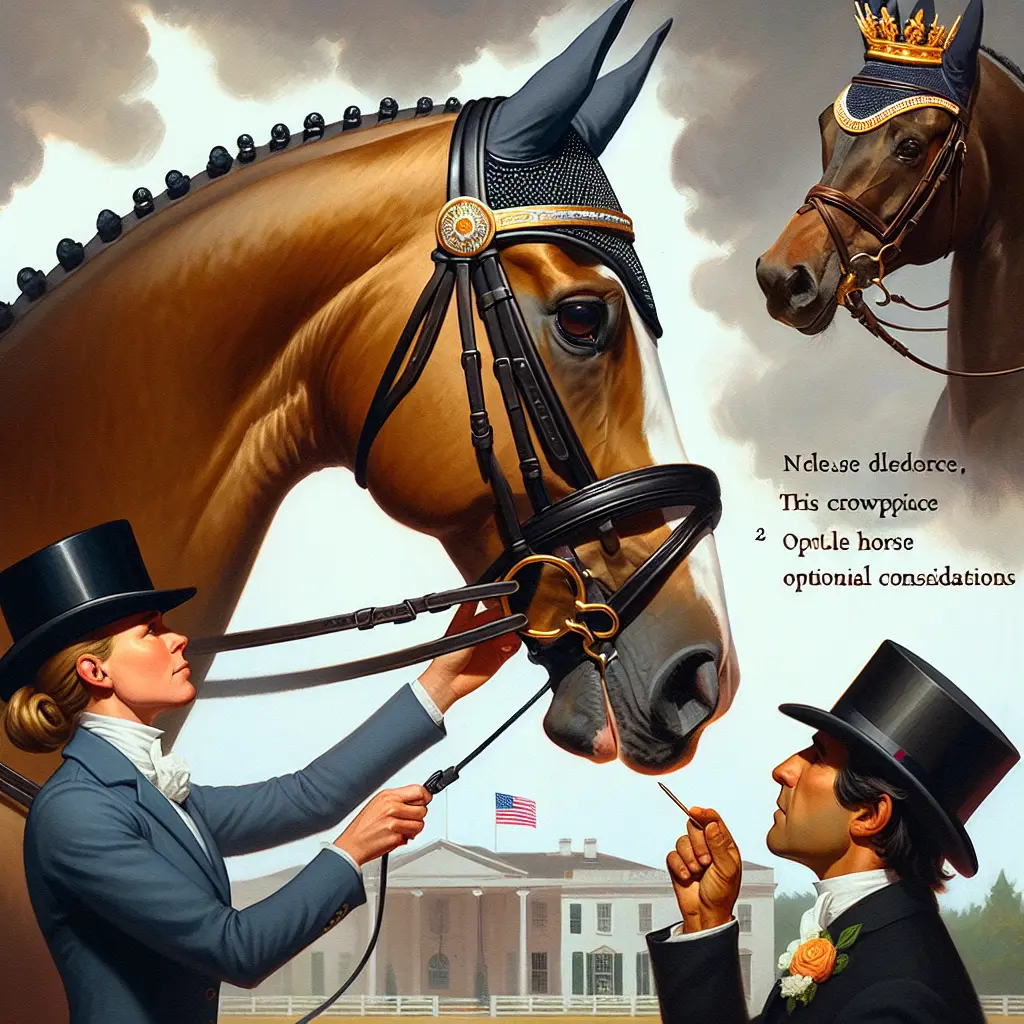
Background: Bridles and Nosebands in Dressage
In the realm of dressage competition, the bridles are pivotal for effective communication between the rider and the horse, primarily through the bit and reins. Traditionally, competitors at advanced levels have mandated the use of double bridles, which combine two bits (snaffle and curb) and two sets of reins. The incorporation of nosebands, encircling the horse's muzzle, has been standard to assist in stabilizing the bit and ensuring control.
Nonetheless, increasing concerns over horse welfare—centering around the pressure exerted by certain bridles and nosebands—has instigated global discourse and calls for reform.
US Rule Update: Crownpiece Specifications
In a significant move during 2024, the US Equestrian Federation (USEF) revised the rule concerning crownpiece specifications (DR121.3.a), specifically the part of the bridle located behind the horse’s ears. This update emphasizes a design focus aimed at reducing unnecessary pressure, thus prioritizing equine comfort, yet has caught some in the community off-guard due to its perceived abruptness amidst the current dressage landscape.
New Zealand: Landmark Noseband Rule Changes

Even more groundbreaking is the decision by Equestrian Sports New Zealand (ESNZ) in July 2024 to make nosebands optional across all national competition levels. Supported by a decisive 26-2 vote, this acknowledges a cultural shift motivated by several key factors:
- Fairness to horses: Avoidance of discomfort or potential damage from overly tight or ill-fitting nosebands.
- Rider choice: Empowering competitors with the decision to fit nosebands based on their horse's requirements or aesthetic preferences.
- Public perception: Reacting to the increasing scrutiny and criticism regarding gear seen as harsh or outdated.
Global Context: The FEI’s Standpoint on Bridles
The International Federation for Equestrian Sports (FEI), governing elite dressage, remains conservative concerning implementations at the upper levels. As of mid-2025, FEI continues to mandate double bridles at CDI3* and above, despite petitions to introduce alternatives like snaffle bridles. The continued stance reflects the FEI Dressage Technical Committee's assertion that insufficient evidence links double bridles with welfare issues, although experimental classes exploring snaffle usage are in the pipeline.

Implications for Riders and Horses
- In the US, the emphasis is on refining bridle fit for increased comfort, possibly foreshadowing longer-term reforms.
- In New Zealand, the radical shift concerning nosebands influences not just equine comfort but strategic competition decisions and aesthetic views—serving as a paradigm for other countries to reconsider entrenched gear mandates.
- Globally, the debate persists between traditional practices and welfare advocacy, with the FEI cautiously observing potential shifts demonstrated on national levels.
The Root of Controversy

The core controversy pivots on balancing equine welfare and maintaining requisite rider control in accordance with competition traditions. Advocates focusing on horse welfare argue against tight nosebands and double bridles, citing their potential to inflict pain or long-term harm, which is ethically unsound and may provoke public adversity towards the sport. On the opposing side, corroborators of existing regulations point to the functionality and control provided by such tack, considered essential for mastering nuanced cues at elevated competition levels.
Final Reflections
The narratives evolving from the bridle rules in the US and New Zealand reflect the continual tug-of-war between tradition, modern welfare insights, and public perception within the equestrian sport. Participants and enthusiasts alike must stay abreast of these trends as they directly influence competition dynamics and horse welfare standards.
For more detailed insights on the US regulation updates, peruse the US Equestrian's memo on crownpiece rules. For New Zealand's noseband reforms and rationales, delve into ESNZ Dressage Conference documents. Meanwhile, the FEI's ongoing discussions provide a broader view of the bridle's future in top-tier dressage.
Engage with relevant collections from Just Horse Riders to find the perfect gear and supplements that prioritize not only performance but also the comfort and excellence the sport aspires to uphold.