

Understanding Equine Ulcers: Causes, Symptoms, and Treatment Options
Equine ulcers, or Equine Gastric Ulcer Syndrome (EGUS), are a significant health concern affecting a large number of horses, particularly those in active training or competition. Understanding this condition is crucial for horse owners to maintain their horses' health and efficiency.
What Are Equine Ulcers?
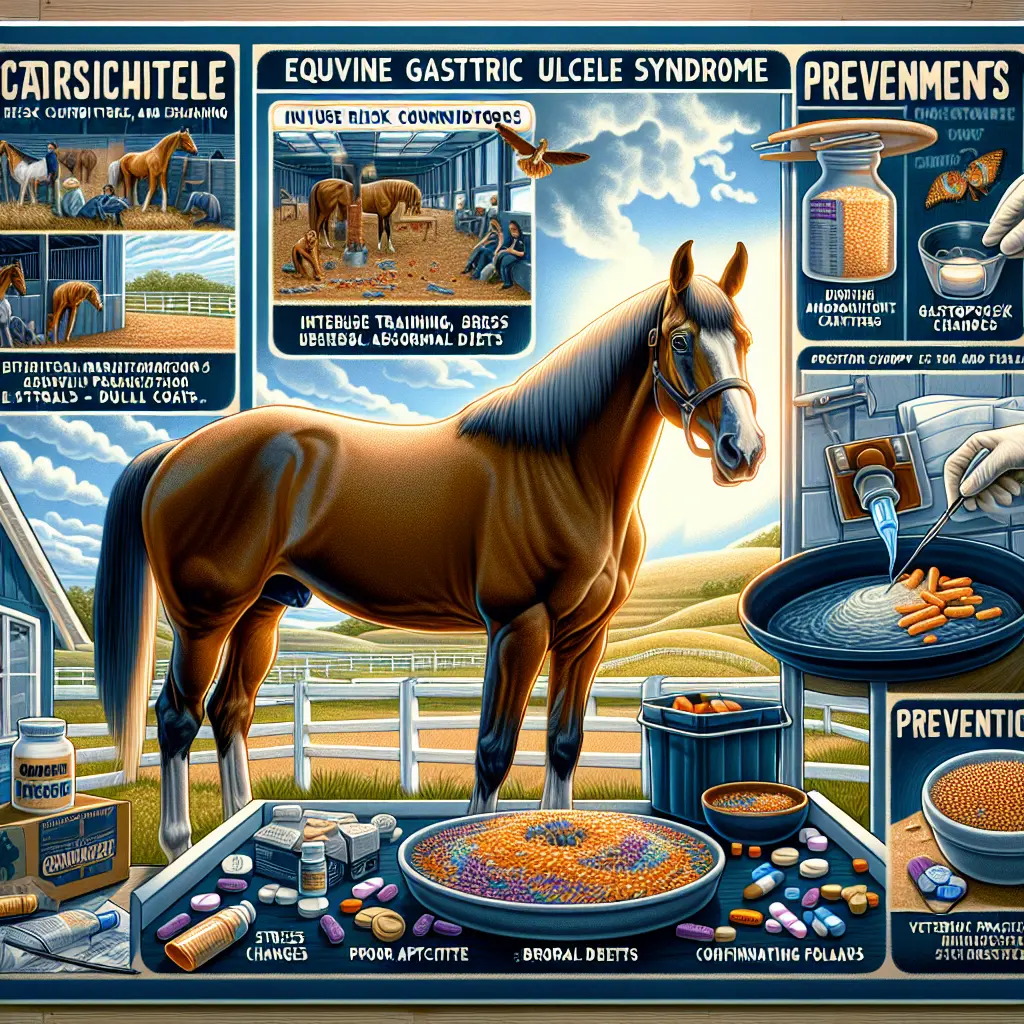
Equine ulcers are lesions in the stomach lining, primarily affecting the squamous or glandular mucosa. They arise when the protective lining is damaged, often due to excessive acid exposure[1].
Causes of Equine Ulcers
Multiple factors contribute to the development of ulcers in horses.
Stress and Training
Horses in intense training or competition show the highest ulcer rates. For instance, Thoroughbreds have an ulcer prevalence that skyrockets from 37% to 80-100% during early training months. Explore our Jodhpur Collection for comfort during training[1].
Diet and Feeding Practices
Feeding low-forage diets or with interruptions leads to increased acid exposure. Studies highlight that feeding hay via nets reduces risk by promoting natural grazing[5]. Discover supplements to enhance diet.
Confinement and Management
Confinement in smaller spaces increases ulcer prevalence compared to a more free-roaming lifestyle, indicating stress and limited movement as key factors[3].
Breed and Age
Breed differences are notable, with some breeds like Hanoverians showing a 95% ulcer rate, while others like Welsh Ponies have only 36%[2]. Foals also display higher rates, making routine checks vital.
Symptoms to Watch For
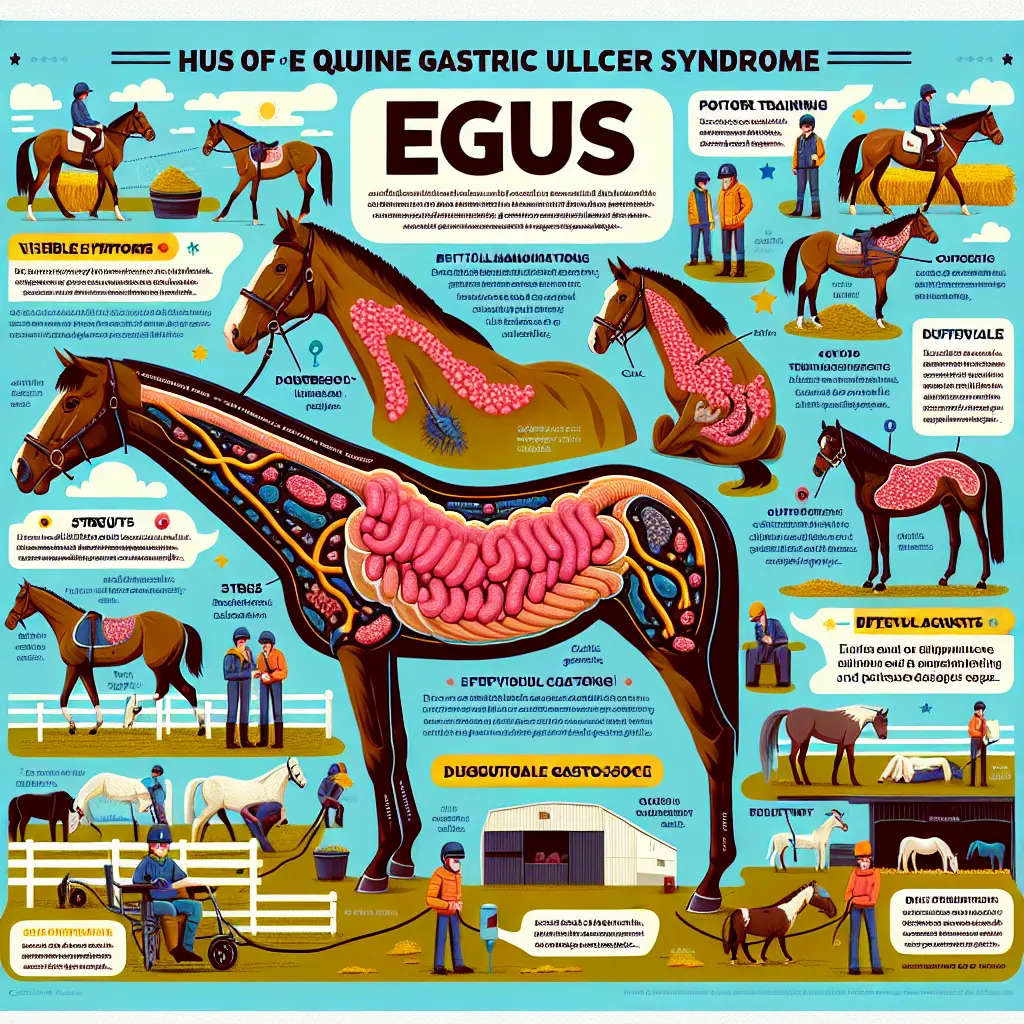
Ulcers can go unnoticed without a direct examination. Still, signs like colic, poor appetite, rough coat, behavior changes, and diarrhea can suggest their presence[1][2]. Regular veterinary checks are essential to catch these early.
Diagnosing Equine Ulcers
Definitive diagnosis uses gastroscopy, allowing direct visualization of the stomach lining. Ulcers are scored from 0 (no ulcers) to 4 (severe lesions) based on severity[2].
Treatment and Prevention
The primary treatment is omeprazole, reducing acid production for healing. Despite its use, high prevalence rates persist, particularly in performance horses.
Dietary Management
Continuous forage access buffers stomach acid and prevents fasting. Prolong feeding time with hay nets[5]. Explore stable rugs for better comfort.
Stress Reduction
Limiting routine changes, providing turnout, and minimizing confinement help reduce ulcer incidence[3].
Stabling Practices
Open, well-ventilated, and socially interactive stables reduce stress-related ulcers[5]. Turnout rugs to promote outdoor activity.

Regular Veterinary Check-ups
Early ulcer identification via clinical signs and gastroscopy allows for quick treatment, crucial for maintaining horse health.
Facts and Figures to Consider
- Prevalence rates sharply rise upon initiation of training: 44% to 87% in Standardbreds[1].
- Comparative prevalence between confined and free-roaming equids demonstrates management's impact[3][5].
- Companion horses face lower ulcer risks than performance horses[5].

Final Thoughts
Understanding equine ulcers is vital for both horse health and performance. With advances in treatments like omeprazole and improved management practices, the impact of gastric ulcers can be effectively mitigated. For more resources and equestrian gear, visit Just Horse Riders to explore premium collections.